By Godson Azu
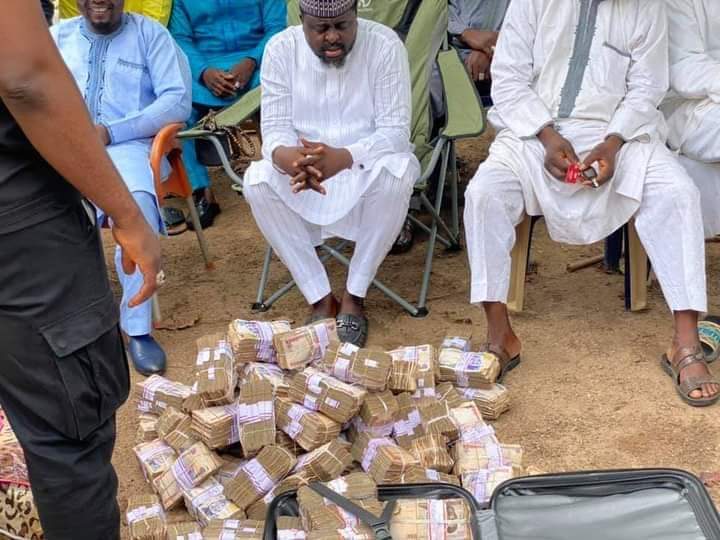
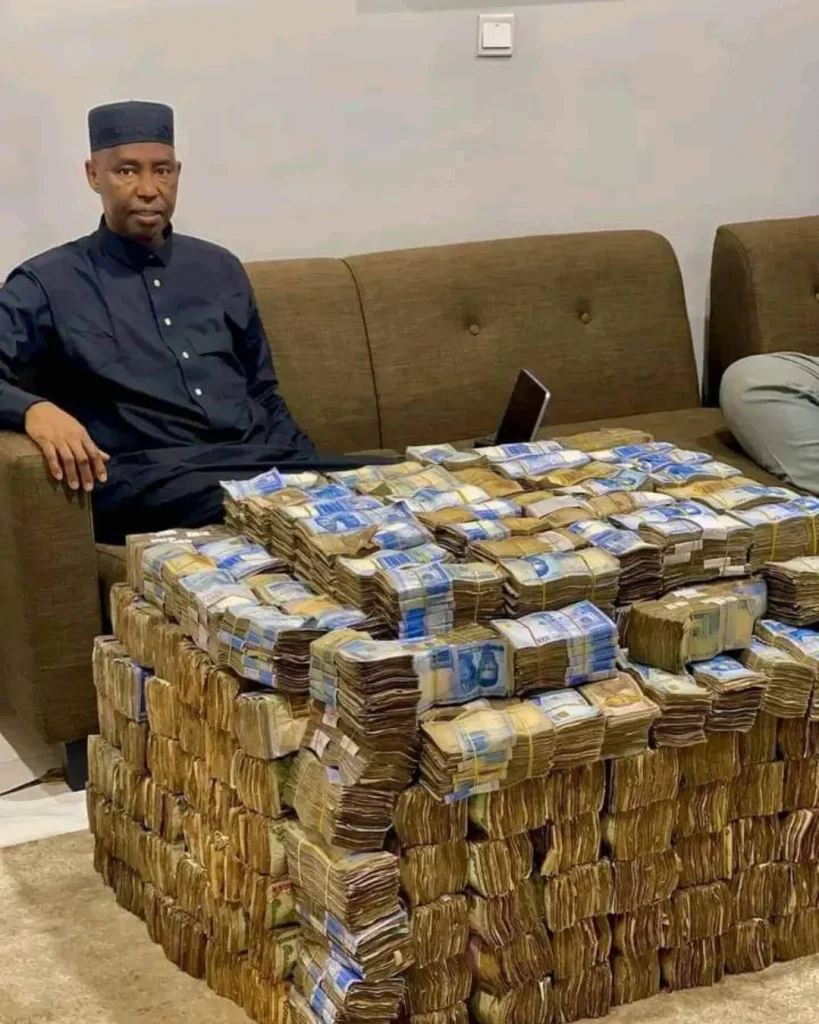
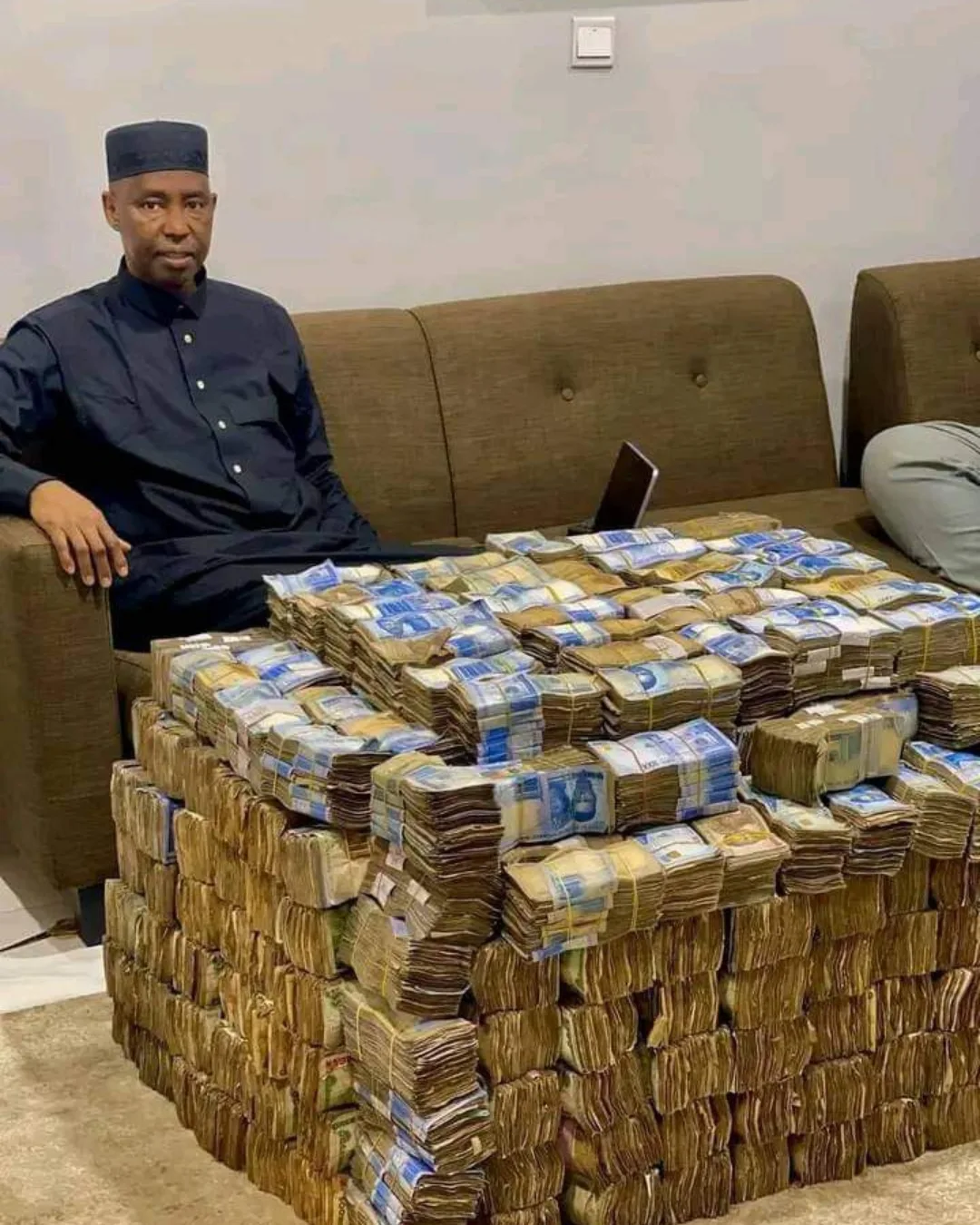
Nigeria’s reputation within the international community continues to face serious challenges, not only because of economic instability, corruption allegations, and governance concerns, but also due to the disturbing and increasingly normalised public display of huge quantities of cash by politicians and politically exposed persons. At a time when millions of Nigerians are struggling with inflation, unemployment, food insecurity, and declining purchasing power, the open circulation and exhibition of boxes of newly minted currency notes by political actors raises troubling questions about accountability, monetary discipline, and institutional credibility.
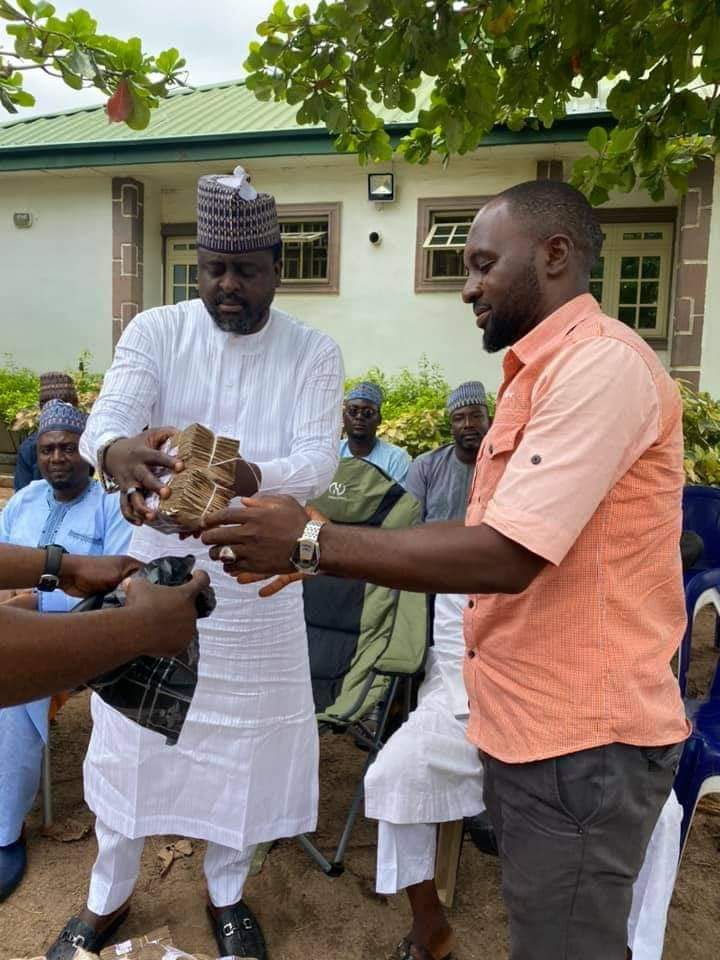
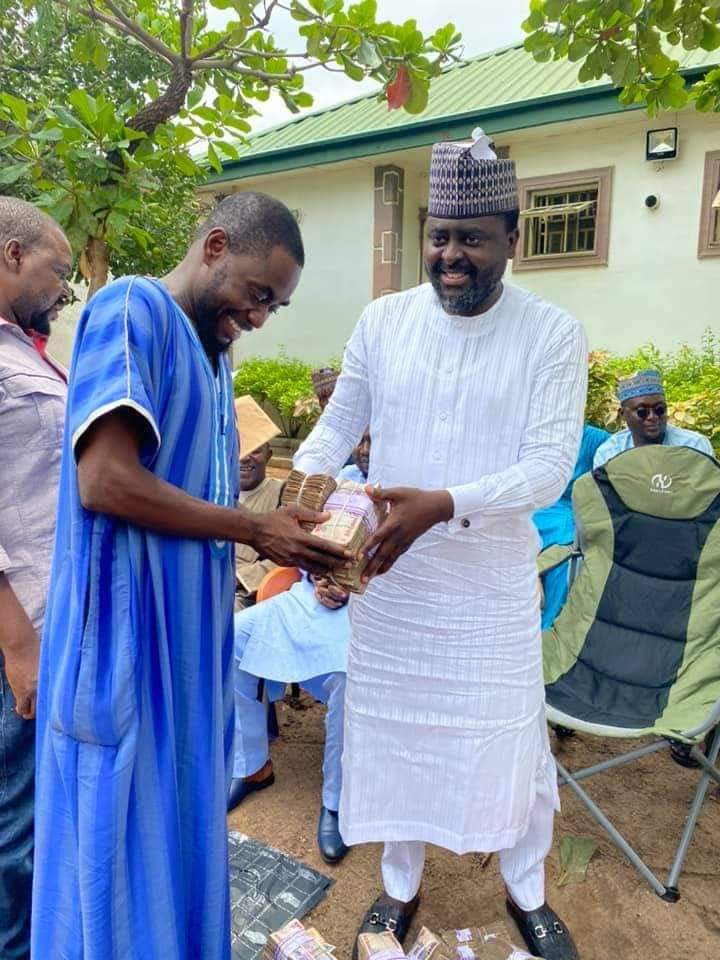
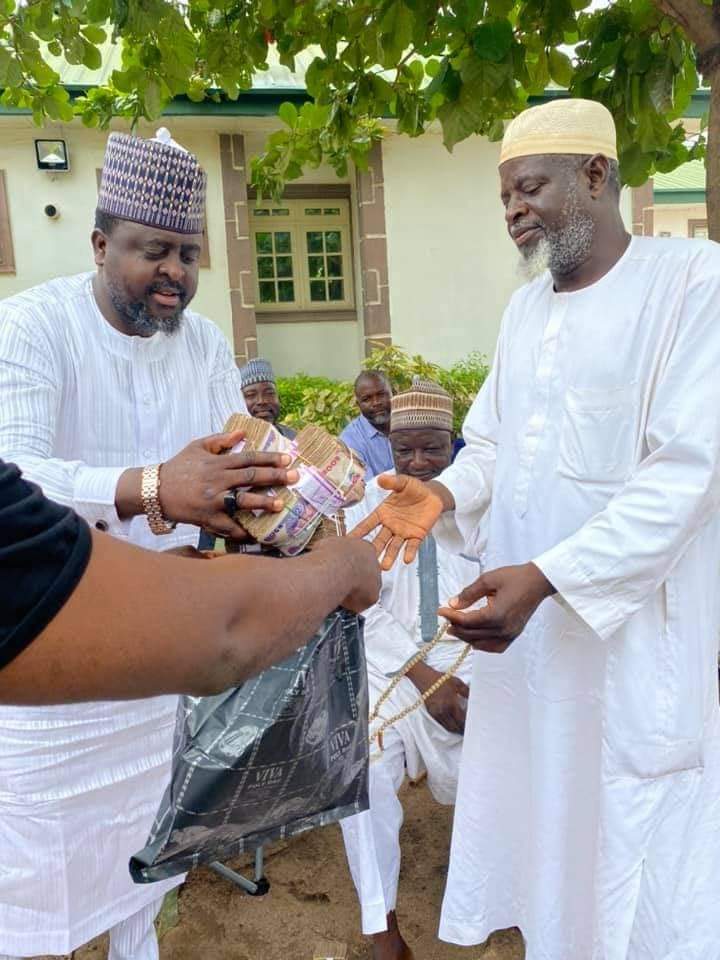
In recent years, social media platforms have become flooded with videos and photographs showing politicians, political agents, and power brokers displaying massive amounts of cash during election campaigns, private ceremonies, political gatherings, and vote-buying operations. In many of these cases, newly printed naira notes are transported in cartons and bags to private residences and offices, as though they were ordinary consumer goods. Such scenes create a dangerous perception of a country where cash is weaponised for political influence rather than utilised for productive economic development.
The issue goes beyond mere optics. It strikes at the heart of Nigeria’s international image and financial credibility. Countries seeking foreign direct investment, development financing, and strategic partnerships are expected to demonstrate transparency, fiscal discipline, institutional integrity, and adherence to anti-money laundering regulations. However, when political elites openly display enormous volumes of physical cash without consequences, it sends conflicting signals to global investors, international lenders, and development partners.
Institutions such as the World Bank, International Monetary Fund, the European Investment Bank, and foreign investment groups continue to support Nigeria through loans, grants, development partnerships, and economic interventions. Yet many observers increasingly question whether these institutions sufficiently challenge the culture of financial recklessness, weak accountability, and political corruption that undermines economic growth in the country.
The contradiction becomes even more disturbing when Nigeria is simultaneously described in global development discussions as one of the countries with the highest levels of multidimensional poverty. According to reports from international development agencies, millions of Nigerians face severe economic hardship, while inflation and currency depreciation continue to erode living standards. Against this backdrop, the extravagant public display of cash by political actors appears not only insensitive, but deeply immoral.
Former United Nations Secretary-General Kofi Annan once observed that:
“Corruption is an insidious plague that has a wide range of corrosive effects on societies.”
This statement remains profoundly relevant to Nigeria’s present circumstances. Corruption is not merely the theft of public resources; it is also the destruction of public confidence, democratic values, and economic opportunity. When political influence becomes directly associated with cash distribution and financial intimidation, democracy itself is weakened.
The growing trend of “cash politics” in Nigeria reflects what many analysts now describe as the weaponisation of poverty — a system where economic hardship is deliberately sustained and manipulated for political control. In such an environment, impoverished citizens become vulnerable to electoral inducement, vote trading, and political dependency. Rather than empowering citizens through education, innovation, entrepreneurship, and economic opportunity, some politicians rely on the immediate influence of money to secure loyalty and political relevance.
This raises serious concerns ahead of future electoral cycles, particularly the 2027 general elections. If unchecked, Nigeria risks deepening a political culture where access to power is determined not by ideas, competence, or public service, but by the capacity to mobilise and distribute cash. Such a trajectory threatens democratic consolidation and could further erode public trust in electoral institutions.
President Bola Ahmed Tinubu and relevant government agencies, including the Central Bank of Nigeria, the Economic and Financial Crimes Commission, and the Independent National Electoral Commission, must take decisive steps to address this dangerous trend. There should be stricter enforcement of anti-money laundering regulations, tighter monitoring of political financing, and stronger penalties for vote-buying and illicit cash movements.
Furthermore, Nigeria must accelerate its transition towards a more transparent digital financial ecosystem. A modern economy cannot thrive when political influence depends heavily on untraceable cash transactions. Expanding digital payment systems, strengthening banking transparency, and enforcing financial reporting standards are essential steps toward rebuilding confidence in the nation’s economic governance.
Civil society organisations, the media, the diaspora community, religious institutions, youth groups, and international observers also have critical roles to play. Public accountability must become a collective responsibility. Citizens must reject the normalisation of corruption and resist attempts to commodify democracy through financial inducement.
Political leadership should inspire hope, integrity, and national progress — not fear, intimidation, or the reckless exhibition of wealth in a nation battling economic hardship. Nigeria possesses enormous human capital, entrepreneurial energy, and strategic importance within Africa and the global economy. However, the country’s long-term progress depends on whether its leaders choose to build institutions based on transparency and responsibility rather than patronage and cash-driven political dominance.
The world is watching Nigeria closely. The nation’s image, credibility, and future investment prospects depend not only on economic reforms and policy announcements, but also on the visible conduct of those entrusted with public leadership. Until political excesses and the culture of reckless cash display are decisively confronted, Nigeria’s aspirations for stronger global respect and sustainable economic transformation may continue to face serious obstacles.
Mazi Godson Azu is a UK-based International Relations and Politics Expert, Commentator, Author and Consultant specialising in diplomacy, governance, diaspora engagement, trade and international affairs. A member of IoD Africa Group