Ethiopia – The Centre of Origin
By Godson Azu
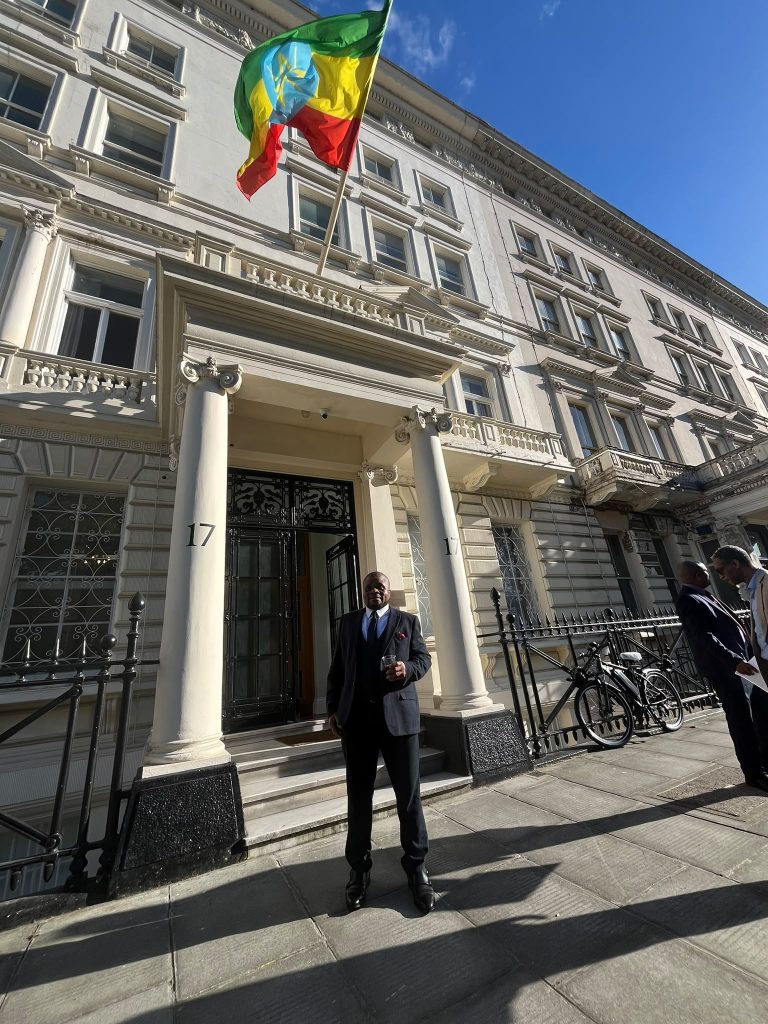
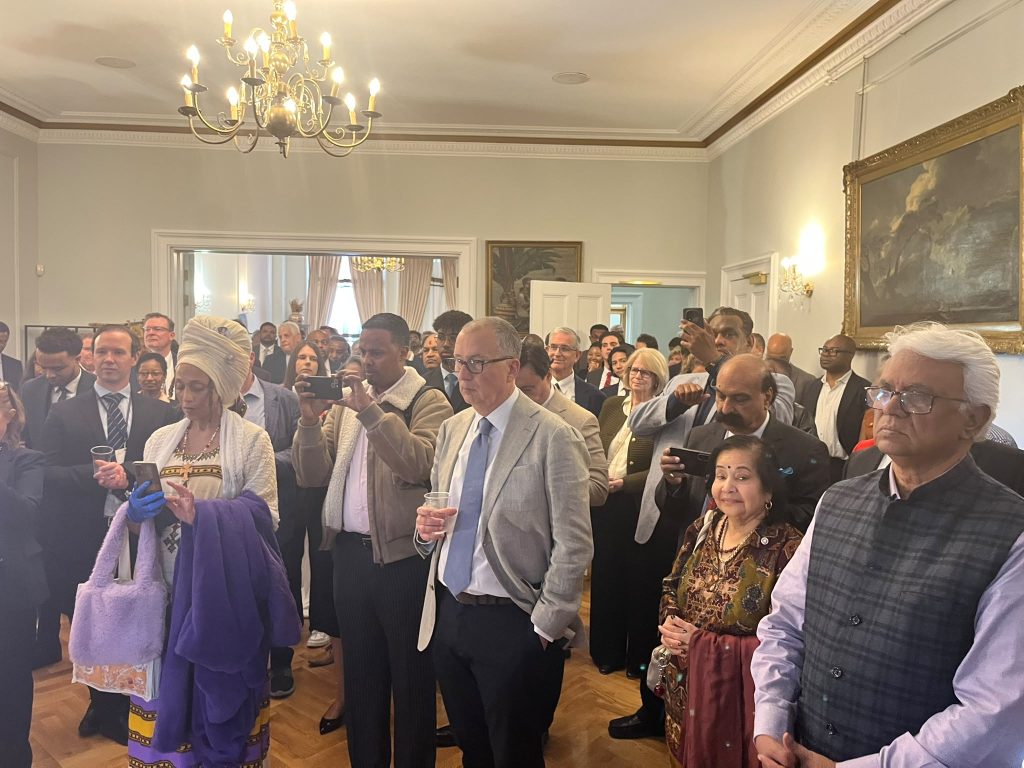
On Tuesday, 9 June 2026, the Embassy of the Federal Democratic Republic of Ethiopia in London played host to an impressive Africa Business and Diplomatic Networking Evening, bringing together diplomats, government officials, business leaders, investors, trade experts, and members of the international business community in a celebration of African enterprise, diplomacy, culture, and economic opportunity.
The event, organised in collaboration with the Westminster Africa Business Association (WABA), was graciously hosted by the Ethiopian Ambassador to the United Kingdom, His Excellency Ambassador Biruk Mekonnen, at the Ethiopian Embassy in London. The gathering served as an important platform for strengthening commercial partnerships, promoting investment opportunities, and fostering deeper engagement between Africa, the United Kingdom, and the wider international business community.
Among the distinguished guests in attendance were His Majesty’s Acting Trade Commissioner for Africa, Mr. Ben Ainsley; the Ambassador of Zambia to the United Kingdom; senior representatives of the Westminster Africa Business Association; the Managing Director of UBA UK; Mr. Dada Jadeja of the South Asian Chamber of Commerce and Industry; Mr. Serigne Gaye of the Senegal-UK Chamber of Commerce; business executives, investors, entrepreneurs, and members of the diplomatic corps.
Ethiopia’s Vision: A Gateway to Africa’s Future
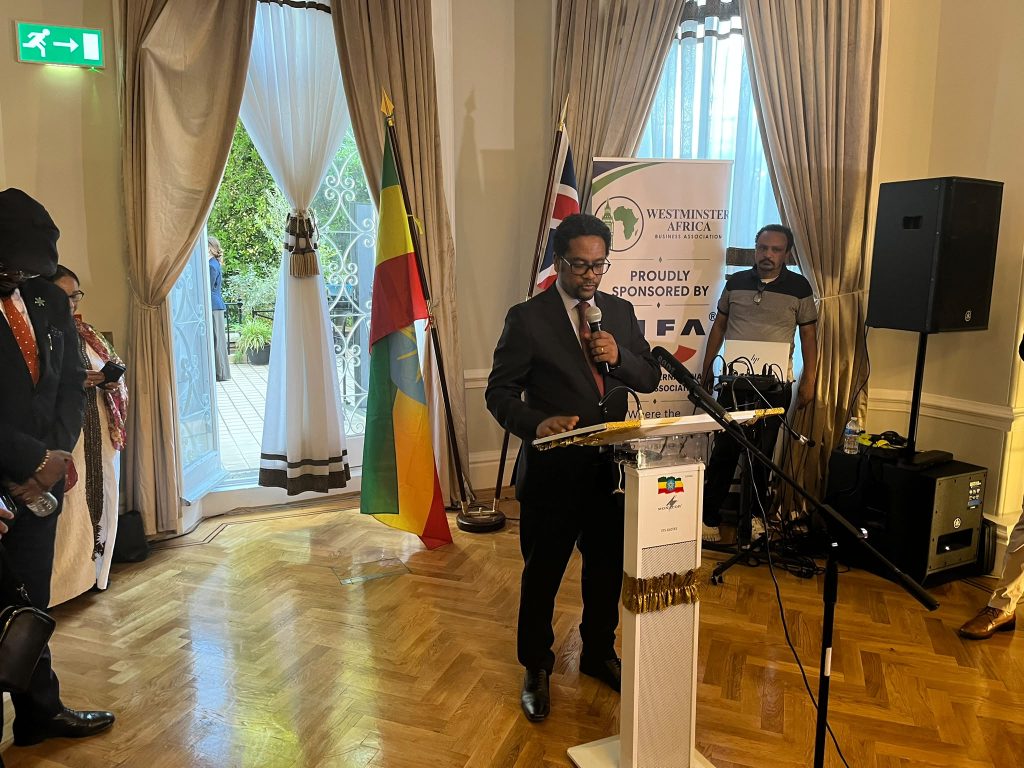
Guests were warmly welcomed by Ambassador Biruk Mekonnen, whose keynote address highlighted Ethiopia’s growing importance as one of Africa’s most strategic investment destinations.
Speaking passionately about his country’s rich history and economic transformation, the Ambassador described Ethiopia as “The Centre of Origin”—a reference not only to its ancient civilisation and cultural heritage but also to its globally recognised status as the birthplace of coffee.
The Ambassador noted that Ethiopia remains one of Africa’s oldest sovereign nations and continues to play a significant role in shaping the continent’s economic future. He emphasised the country’s ongoing infrastructure revolution, including the development of major transport corridors, modern airports, renewable energy projects, industrial parks, and the transformative Grand Ethiopian Renaissance Dam (GERD), one of Africa’s largest hydroelectric projects.
He further outlined the Ethiopian Government’s commitment to creating a favourable investment climate through policy reforms, improved ease of doing business, enhanced connectivity, and expanding opportunities across agriculture, manufacturing, tourism, aviation, technology, renewable energy, and logistics.
Encouraging international investors and visitors alike, Ambassador Mekonnen extended an open invitation to explore Ethiopia’s immense opportunities, proudly describing the nation as a destination where history, innovation, and investment converge.
His remarks reflected Ethiopia’s broader ambition to position itself as a leading economic hub and gateway to East Africa.
Strengthening UK-Africa Trade Relations
In his welcome remarks, the Chief Executive Officer of Westminster Africa Business Association, Mr. Laurence Robertson, expressed appreciation to all attendees and acknowledged the Ethiopian Embassy for its hospitality and partnership in hosting the event.
He also recognised the contributions of the evening’s sponsors, Tufail Group Ltd UK and the British International Freight Association (BIFA), whose support helped facilitate the successful gathering. Representatives from both organisations delivered brief remarks, reaffirming their commitment to supporting trade, logistics, investment, and commercial collaboration between the United Kingdom and African markets.
Providing a significant policy perspective, His Majesty’s Acting Trade Commissioner for Africa, Mr. Ben Ainsley, underscored the importance of strengthening sustainable trade partnerships between the United Kingdom and Africa.
He highlighted the UK Government’s continued commitment to supporting economic development, infrastructure financing, and investment initiatives across the African continent. Referencing Ethiopia’s ambitious development agenda, he noted ongoing collaboration between UK institutions and the Ethiopian Government, particularly in relation to strategic infrastructure projects, including airport expansion and broader economic development programmes.
Mr. Ainsley emphasised that the future of UK-Africa relations must be built upon mutual prosperity, innovation, sustainability, and long-term partnerships capable of delivering tangible benefits to businesses and communities on both sides.
His remarks aligned closely with the growing emphasis on the African Continental Free Trade Area (AfCFTA), which continues to reshape intra-African commerce and create new opportunities for international investors seeking access to one of the world’s fastest-growing markets.
Culture as a Tool of Diplomacy
Beyond trade and investment discussions, the event also celebrated Ethiopia’s remarkable cultural heritage.
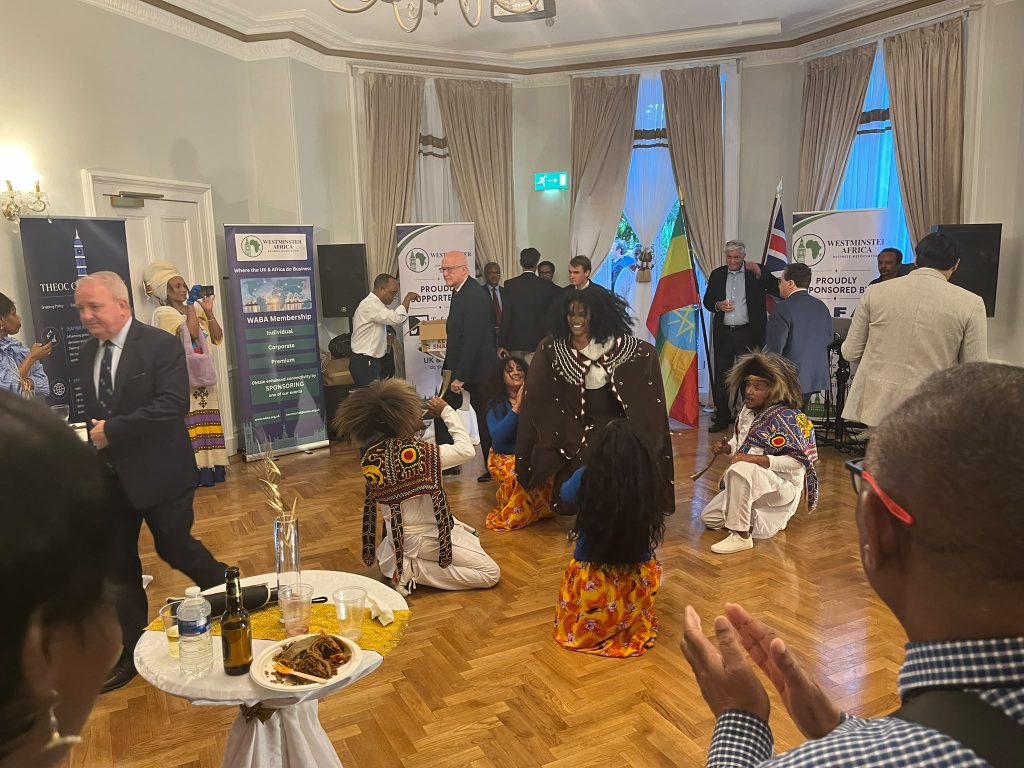
Guests were treated to captivating traditional Ethiopian dance performances that showcased the country’s rich cultural diversity and artistic excellence. The cultural presentations provided an engaging reminder that diplomacy extends beyond policy and commerce, embracing the power of cultural exchange and people-to-people connections.
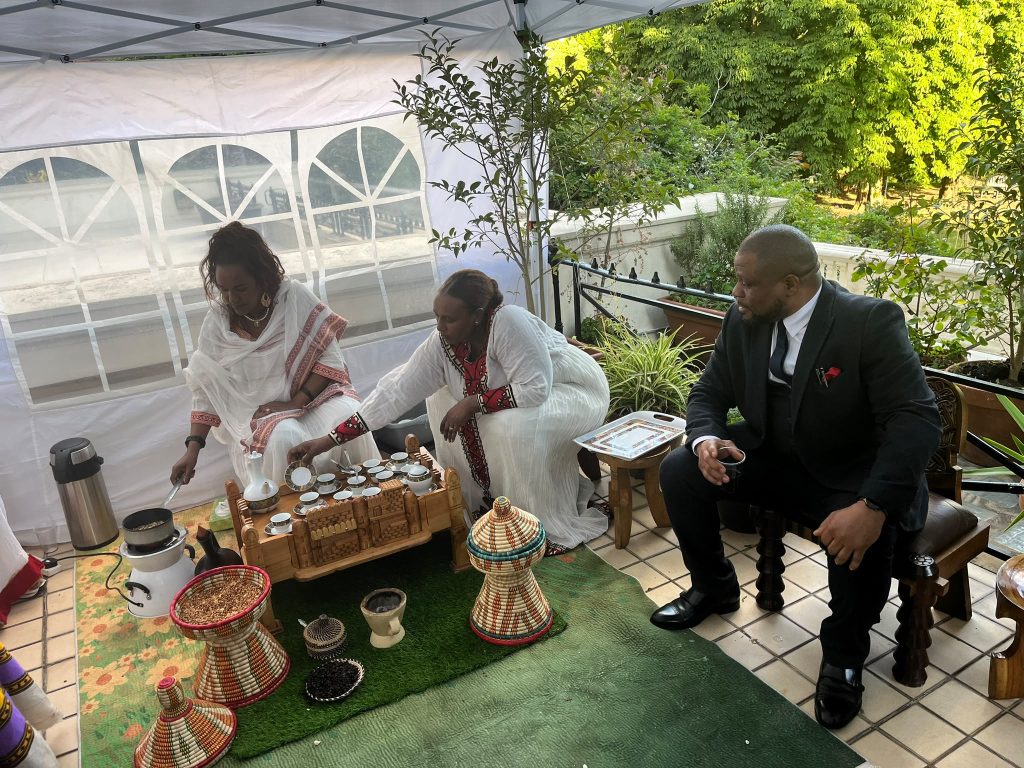
The evening culminated in an authentic Ethiopian culinary experience featuring traditional cuisine, refreshments, and the world-famous Ethiopian coffee ceremony—a cherished cultural tradition that symbolises hospitality, community, and dialogue.
The coffee ceremony served as a fitting reflection of Ethiopia’s identity as the birthplace of coffee and reinforced the country’s message as “The Centre of Origin.”
Reflections on a Successful Diplomatic and Business Engagement
The Africa Business and Diplomatic Networking Evening demonstrated the growing importance of economic diplomacy in strengthening partnerships between Africa and the United Kingdom.
What made the event particularly noteworthy was its ability to convene stakeholders from diverse backgrounds—including African, European, Asian, and British business communities—within a single platform focused on collaboration, opportunity, and shared prosperity.
The evening highlighted several important realities shaping Africa’s future:
- The increasing role of diplomacy in facilitating trade and investment.
- The growing attractiveness of African markets to international investors.
- The importance of infrastructure development as a catalyst for economic transformation.
- The value of cultural diplomacy in building trust and lasting international relationships.
- The emergence of Ethiopia as a key economic and strategic partner within Africa.
As the global economy continues to evolve, platforms such as this provide vital opportunities for dialogue, relationship-building, and practical cooperation.
Future Propositions
Looking ahead, several opportunities emerged from discussions and interactions during the event:
- Enhanced UK-Ethiopia Trade Partnerships
Greater collaboration between British and Ethiopian businesses could unlock opportunities in agriculture, manufacturing, technology, logistics, aviation, renewable energy, and infrastructure development.
- Investment Promotion Missions
Regular trade missions and investment forums should be encouraged to facilitate direct engagement between investors and policymakers.
- Support for SMEs and Diaspora Businesses
African diaspora entrepreneurs represent a powerful bridge between markets and should be strategically supported through financing, mentorship, and trade facilitation programmes.
- Youth Innovation and Skills Development
Partnerships between educational institutions, governments, and the private sector can help equip young Africans with skills needed for future industries.
- Strengthening Pan-African Commercial Networks
Business associations, chambers of commerce, and diplomatic missions should continue to collaborate in advancing regional integration and leveraging opportunities created by the African Continental Free Trade Area.
Conclusion
The Ethiopian Embassy’s Africa Business and Diplomatic Networking Evening was more than a reception—it was a demonstration of how diplomacy, culture, and commerce can work together to advance international cooperation.
The event successfully showcased Ethiopia’s economic ambitions, cultural richness, and commitment to global partnerships while reinforcing the United Kingdom’s continued engagement with Africa’s development journey.
As Ethiopia continues its path towards economic transformation and greater global connectivity, events such as this serve as important reminders that meaningful partnerships are built not only through trade agreements and investment portfolios but also through dialogue, mutual respect, cultural appreciation, and shared vision.
A well-deserved three-gun salute to His Excellency Ambassador Biruk Mekonnen and the Ethiopian Embassy team for hosting an outstanding evening that celebrated the very best of African diplomacy, business engagement, and cultural excellence.
“Coffee is our common ground, a place where conversations begin, relationships grow, and opportunities emerge.” The Ethiopian coffee ceremony embodied this spirit perfectly and served as a powerful metaphor for the future of UK-Africa relations.
⸻
Godson Azu is a UK-based International Relations and Politics Expert, Public Affairs Commentator, Author, and International Development Consultant. He is the Convener of the London Political Summit & Awards and regularly contributes to discussions on diplomacy, governance, international trade, and Africa-UK relations.
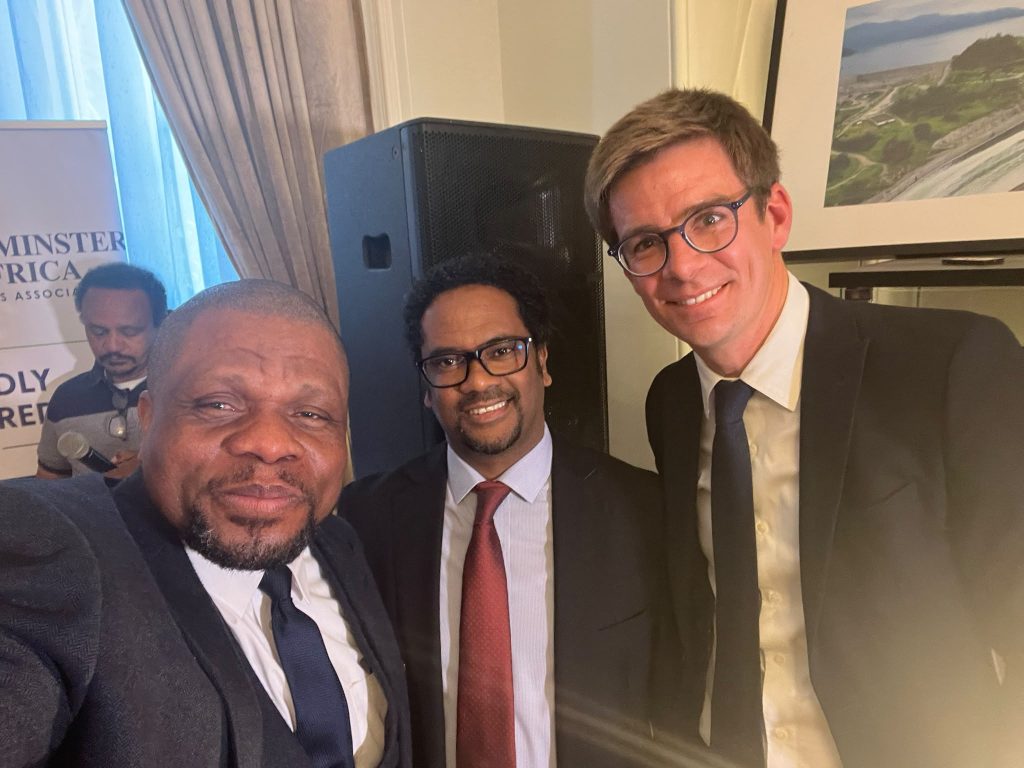
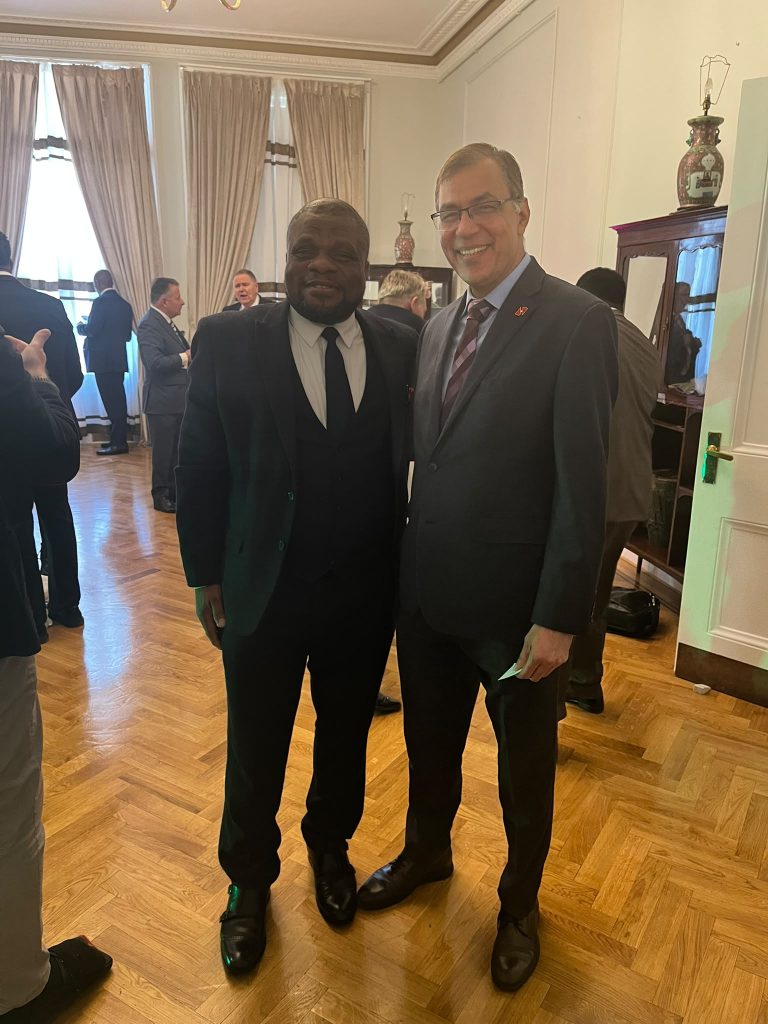
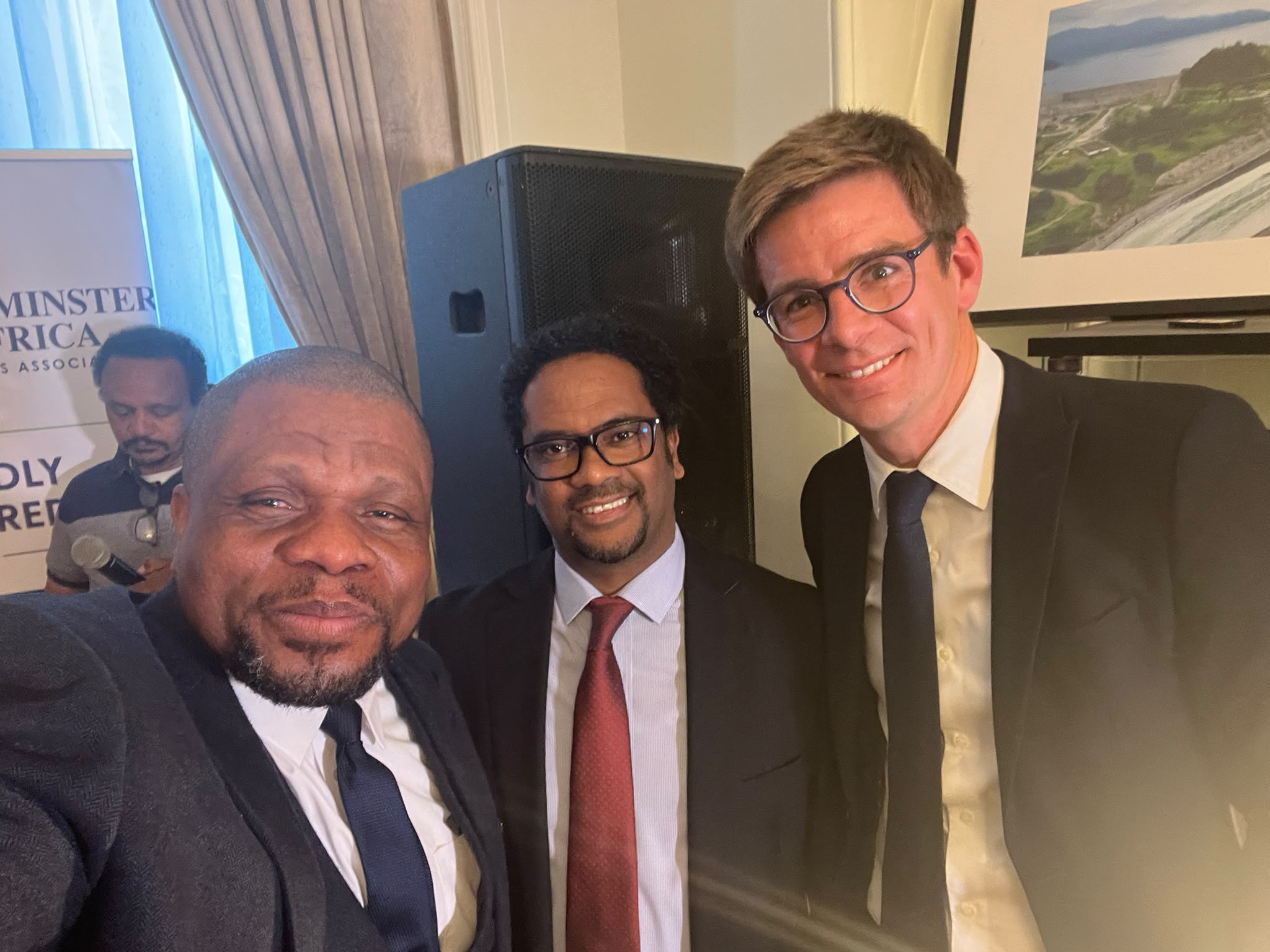
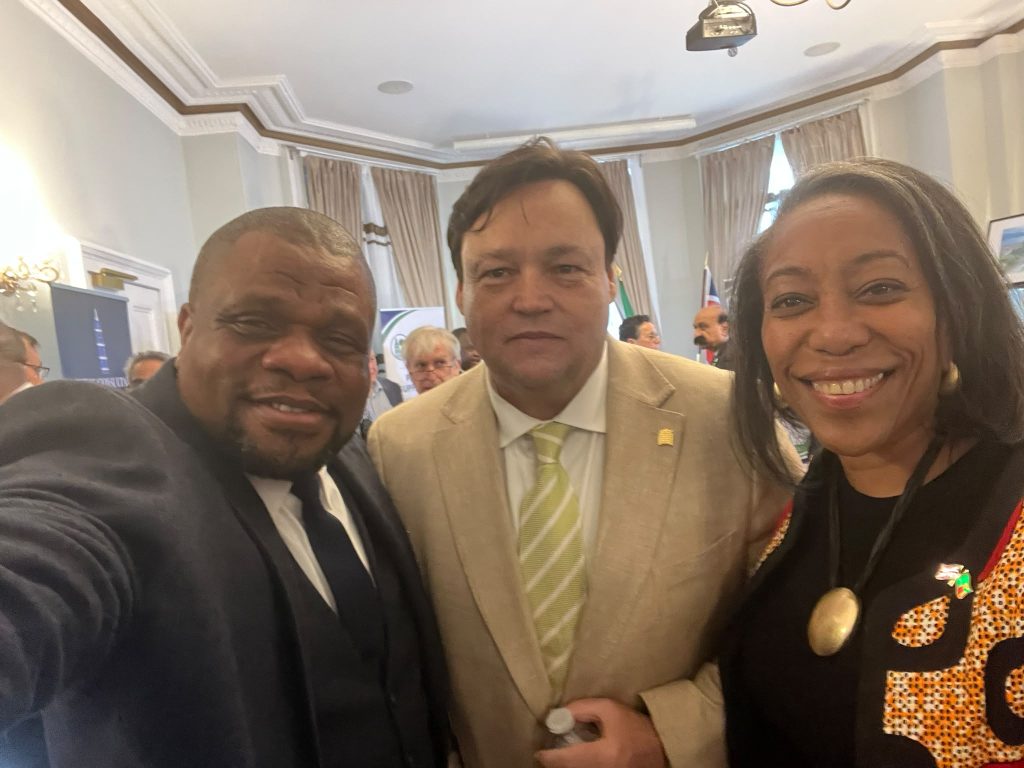
Here with the Ethiopian Ambassador, His. Majesty Trade Commissioner (Acting) for Africa, and the MD. UBA. UK
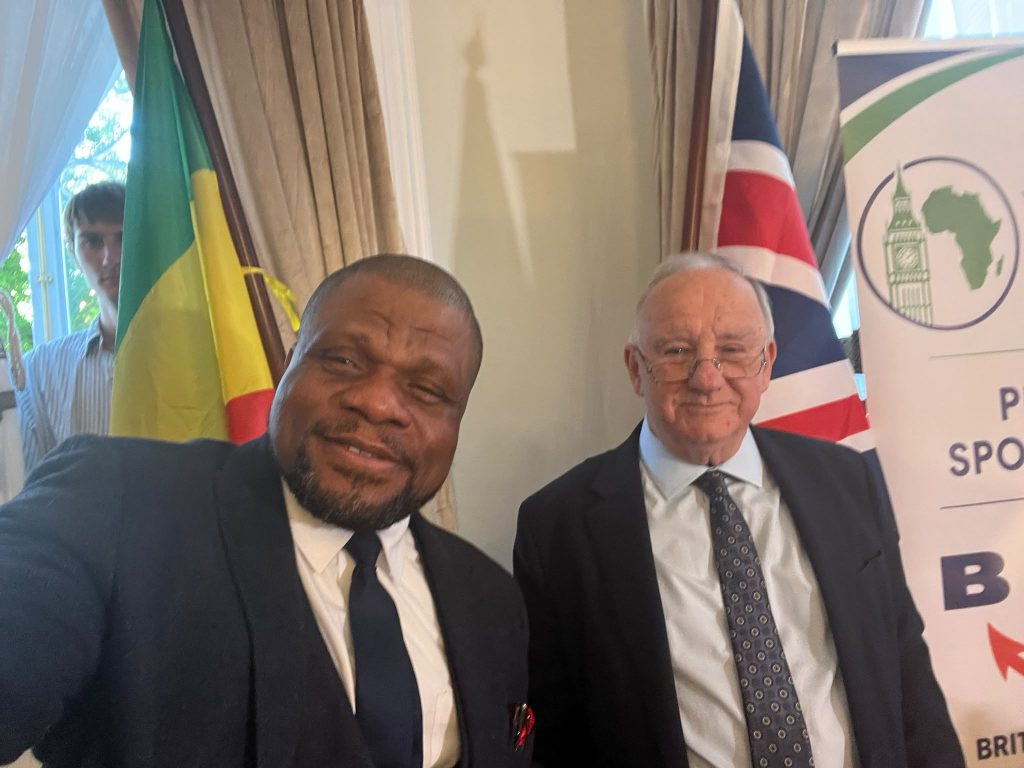
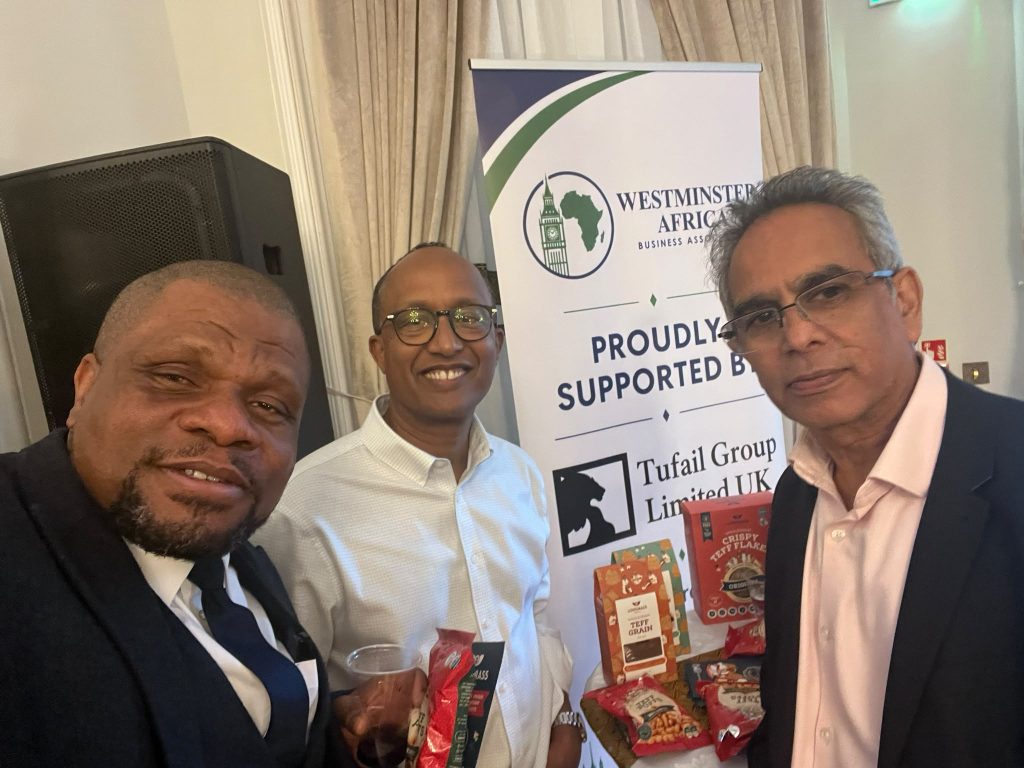

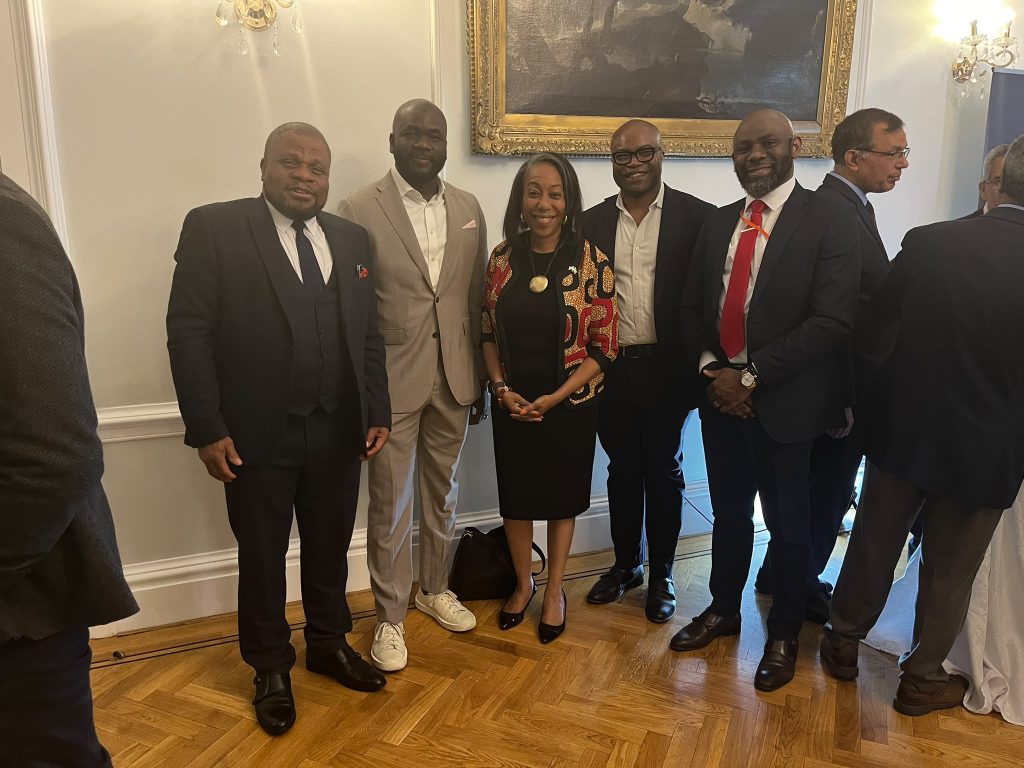
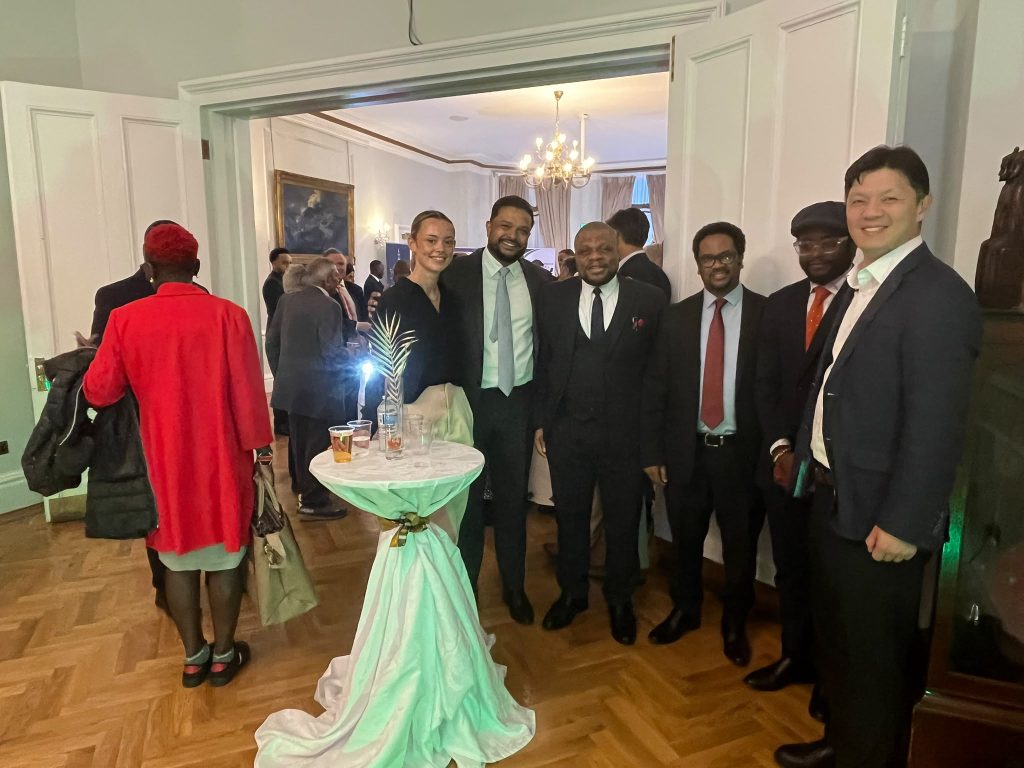
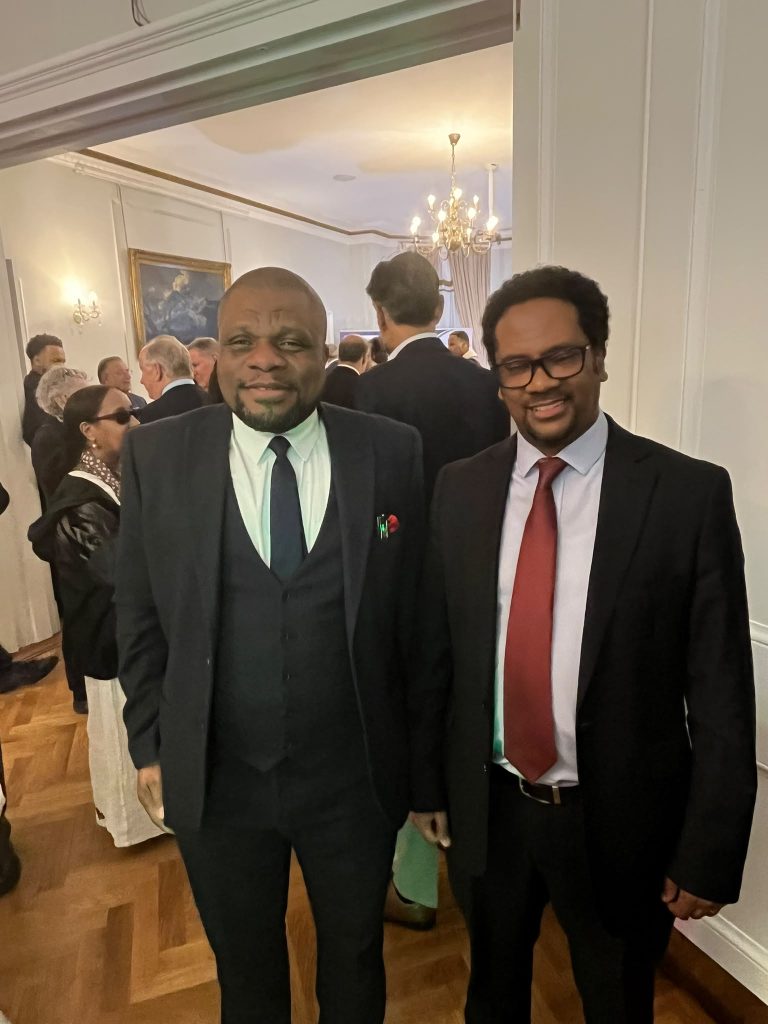
Here with one of the most outstanding African Ambassadors in the UK, The Ambassador of Zambia, and some wonderful guests at the event