TRAINING WORKSHOP REPORT
Legislative Leadership Training and Study Tour of UK Key Institutions
For Members of the Plateau State House of Assembly, Nigeria
Organised and Facilitated by:
CaterandMerger Consult UK
In collaboration with Academic Partners
⸻
Programme Overview
The Legislative Leadership Training and Study Tour of UK Key Institutions Programme is a five-day capacity-building initiative designed to explore and expand participants’ knowledge and practical understanding of:
• Legislative responsibility and accountability
• Collaborative governance
• Inclusivity and diversity in democratic institutions
• Digitalisation in governance
• Institutional leadership development and best parliamentary practices
The programme aims to strengthen legislative effectiveness and enhance governance outcomes through exposure to comparative international legislative systems and contemporary leadership approaches.
⸻
Day One Proceedings — 9 March
The first day of the programme commenced with an opening session and formal introductions led by Chief Dr. Cliford Atile, Lead Consultant to the Plateau State House of Assembly.
In his welcome remarks, Chief Dr. Atile warmly received the delegation led by the Honourable Speaker of the Plateau State House of Assembly, Rt. Hon. Daniel, alongside members of the 10th Assembly, to London. He commended the Assembly leadership for creating an important opportunity for institutional learning and professional development through participation in this transformational training programme.
He emphasised that the study tour was carefully designed to inspire institutional leadership growth and strengthen legislative capacity among participants.
Chief Dr. Atile subsequently introduced the Guest Resource Person, Prof. Mrs. Elewechi Okike, a recognised authority in:
• Corporate and public accountability
• Good governance
• Responsible and ethical leadership
He then handed over proceedings to Godson Azu, CEO of CaterandMerger Consult UK and Director of Programmes.
Goodwill Address by the Honourable Speaker
Godson Azu invited the Honourable Speaker, Rt. Hon. Daniel, to deliver remarks on behalf of the delegation.
In his address, the Speaker:
• Expressed appreciation to Chief Dr. Atile, CaterandMerger Consult UK, resource persons, and academic partners.
• Highlighted the importance of continuous legislative learning and exposure to global best practices.
• Noted that members anticipated acquiring new knowledge, insights, and practical skills to enhance their effectiveness in serving constituents and strengthening legislative performance.
• Reaffirmed the delegation’s expectation of a high-quality educational and transformative experience throughout the programme.
⸻
Workshop Facilitation and Academic Sessions
Following the opening remarks, Prof. Mrs. Elewechi Okike commenced her presentation and facilitated interactive workshop activities.
Session 1:
Legislative Leadership in a Changing Democratic Environment
Session 2:
Diversity and Inclusivity in Legislative Governance
Both sessions incorporated lectures, practical exercises, and group discussions.
⸻
Key Thematic Areas Covered
- Legislative Leadership and Institutional Effectiveness
• Roles and responsibilities of modern legislators
• Strategic leadership within legislative institutions
• Strengthening oversight and governance mechanisms - Diversity, Inclusion, and Representative Governance
• Inclusive law-making practices
• Participatory democracy models
• Gender, youth, and minority inclusion in legislative processes - Accountability and Transparency
• Enhancing accountability through digital governance tools
• Application of AI-driven data analysis for legislative oversight - Ethical Leadership and Democratic Governance
• Ethics and integrity in public office
• Building public trust in legislative institutions
• Combating corruption and reinforcing institutional credibility - Comparative Legislative Practices
• Benchmarking UK parliamentary systems and governance frameworks
• Practical lessons for sub-national legislatures in Nigeria
⸻
Interactive Group Exercise
The day concluded with group assignments and presentations delivered by designated group leaders. Participants engaged in collaborative problem-solving exercises, encouraging peer learning and practical application of session concepts.
⸻
Strategic Partnership Discussion
A notable outcome of the session was a discussion on establishing a potential Memorandum of Understanding (MoU) between the Plateau State Government/House of Assembly and BookAid for Africa, chaired by Prof. Mrs. Okike.
The proposed collaboration aims to:
• Support educational development in Plateau State
• Facilitate donations of academic books to schools and educational institutions
• Enhance learning resources within the state’s education community
This initiative represents an added value arising from participation in the training programme.
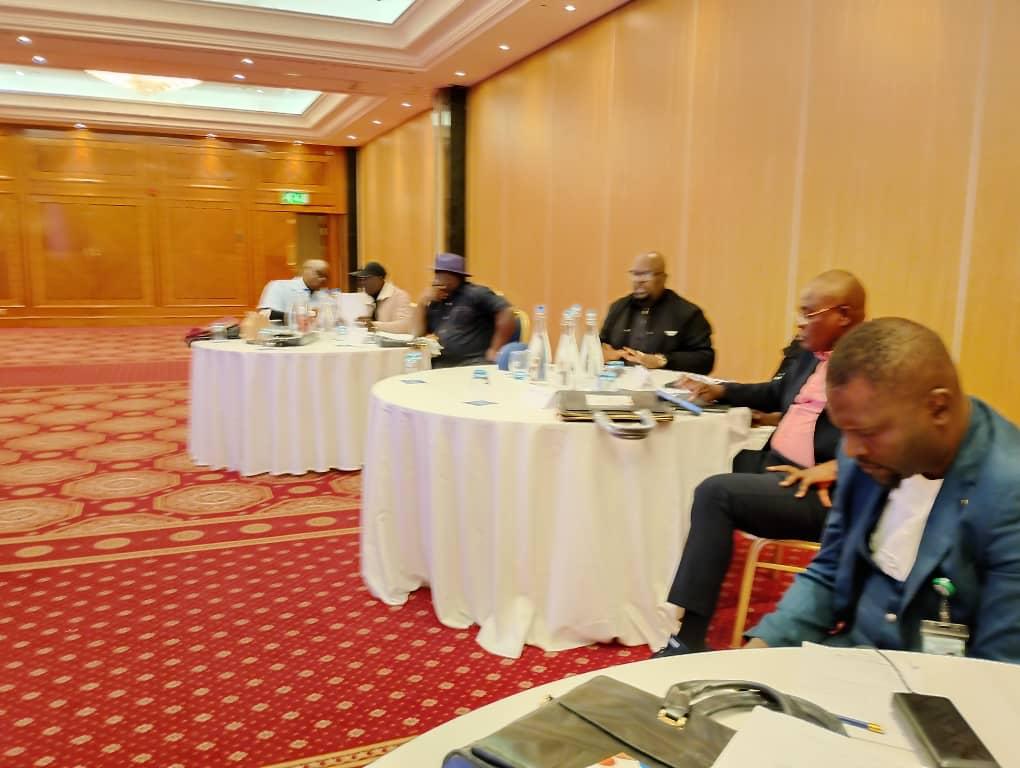

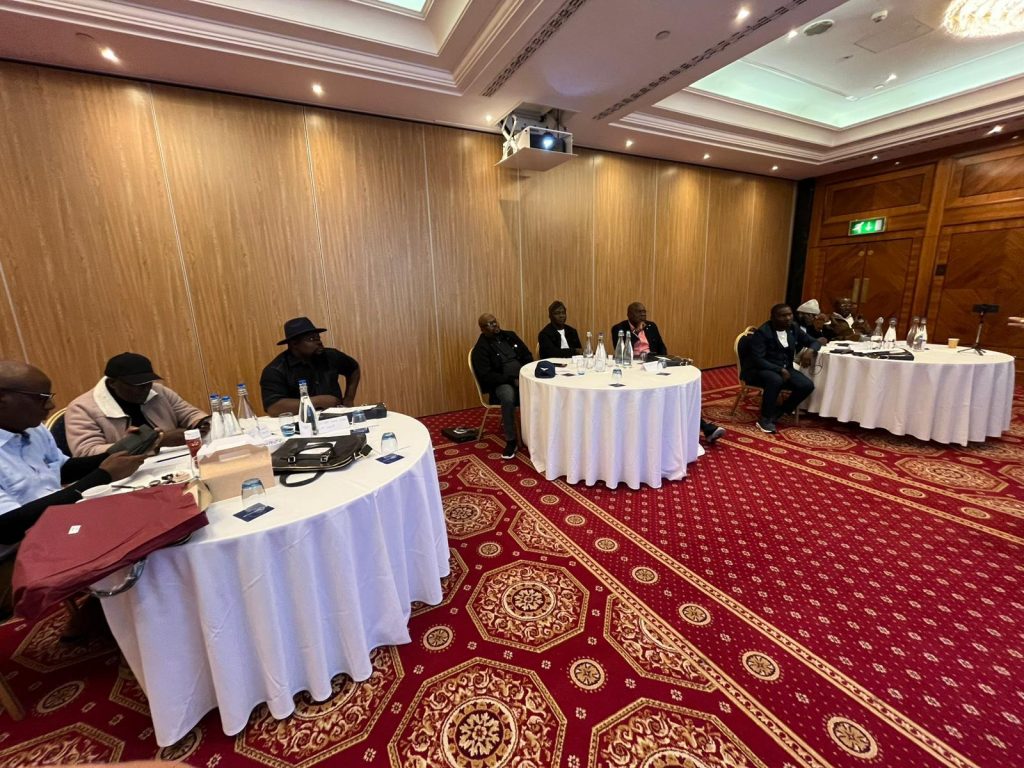
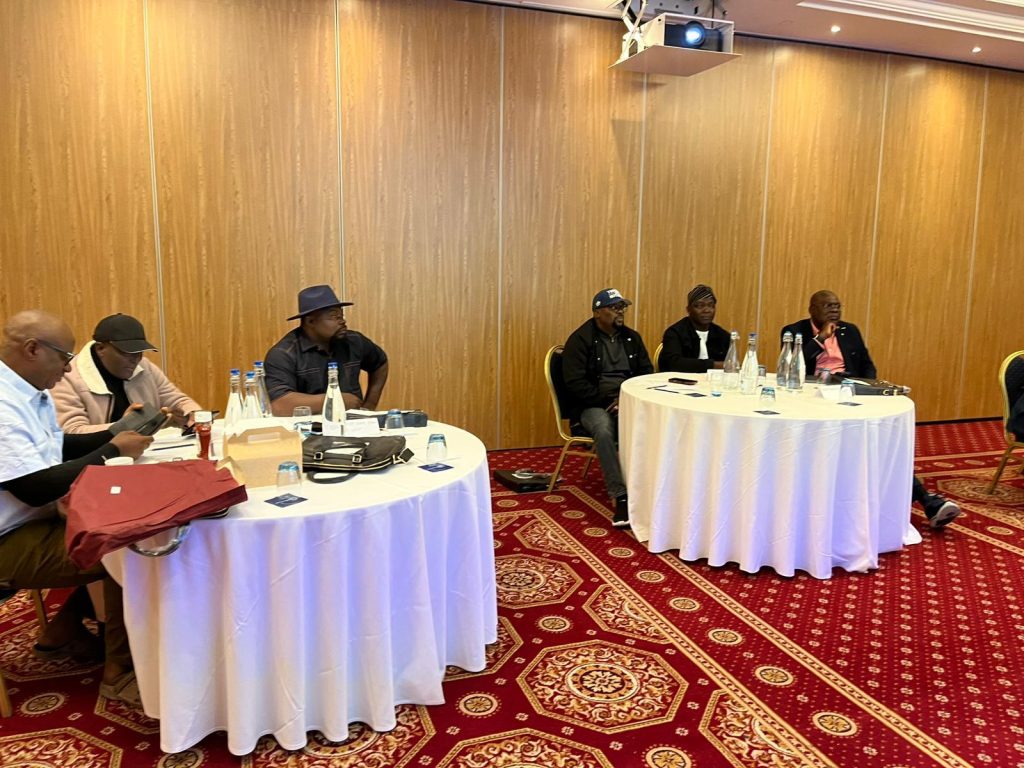
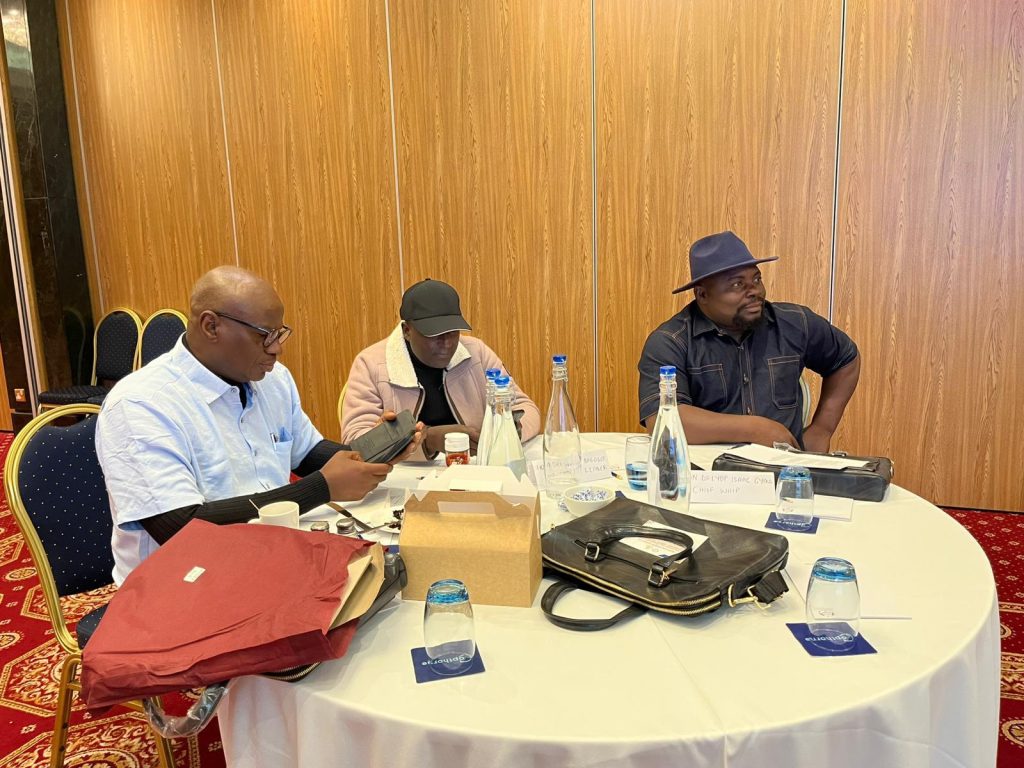
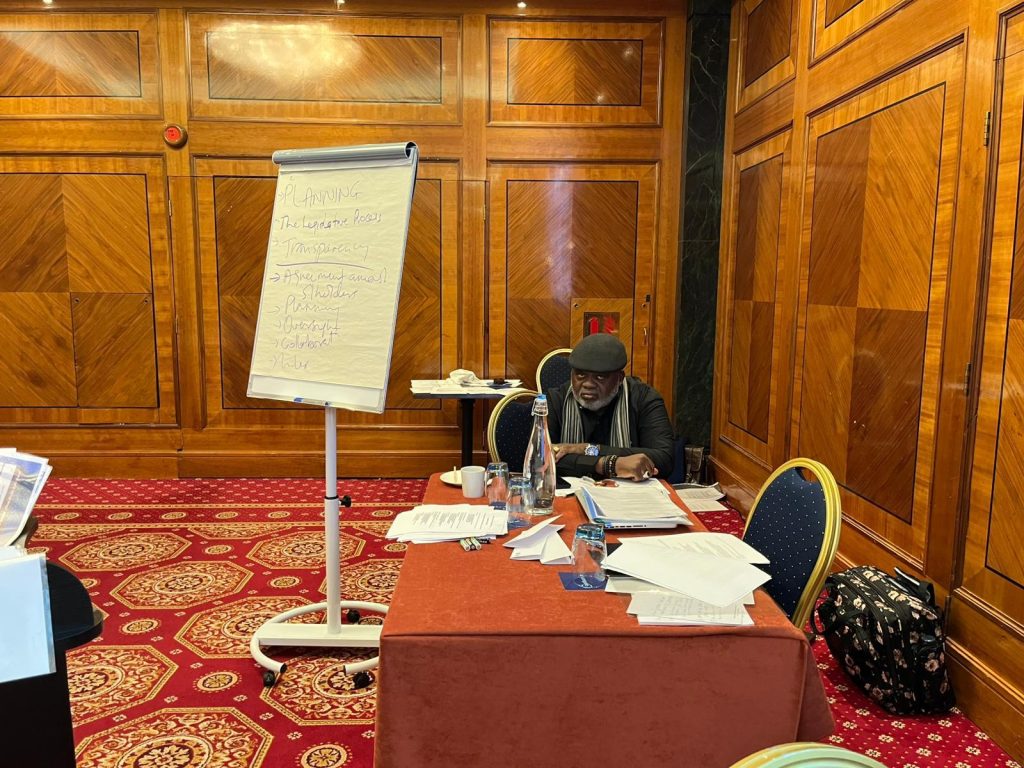
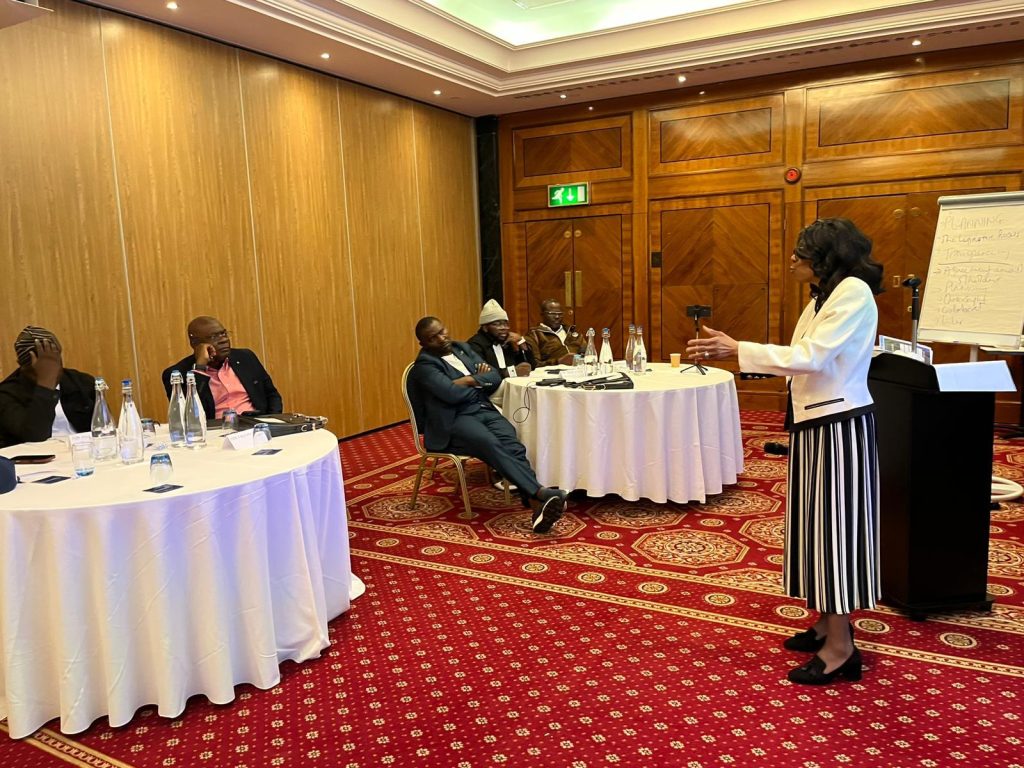
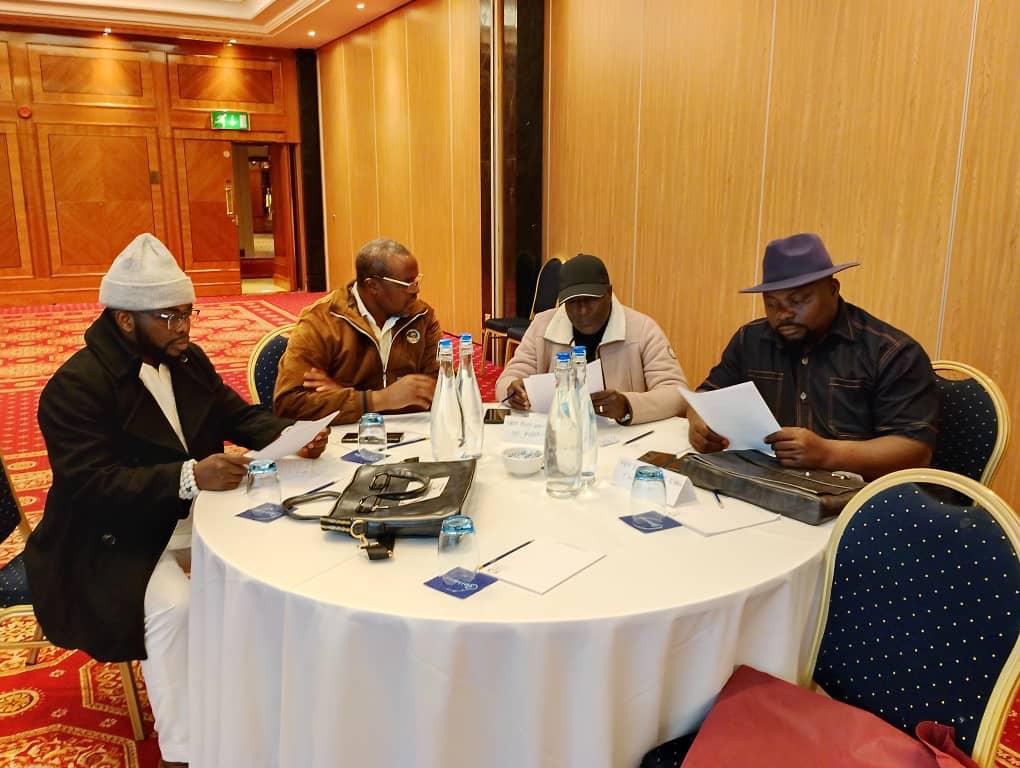
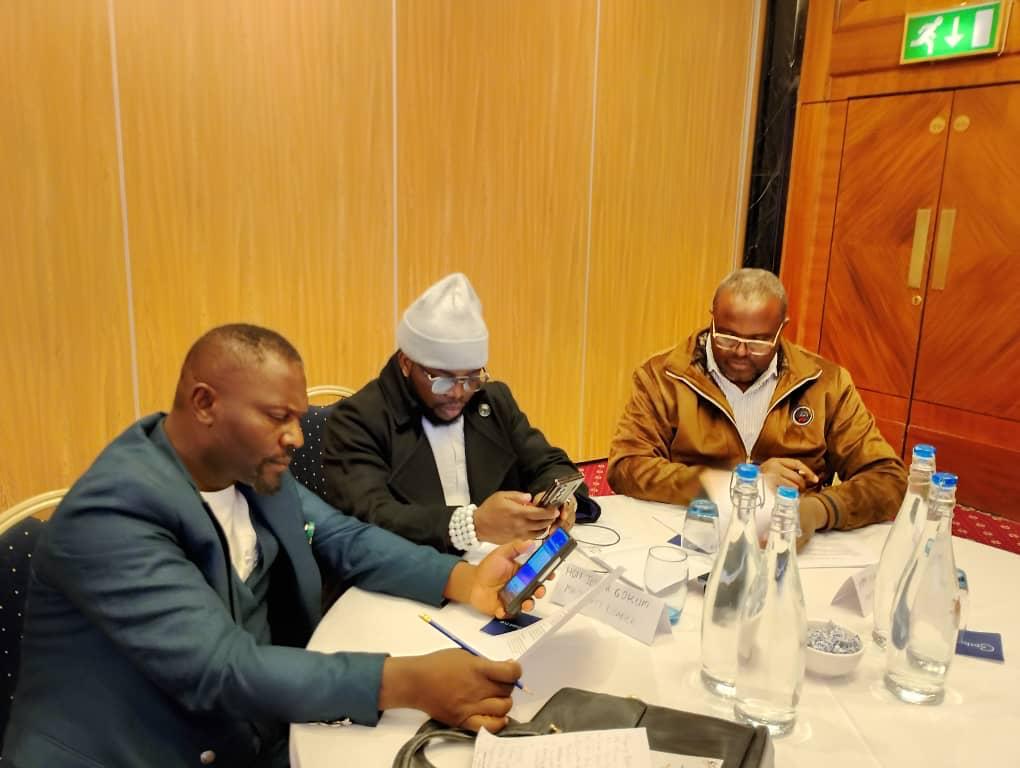
Photos from the Day One Session with Prof. Mrs. Okike.
Conclusion
Day One of the Legislative Leadership Training and Study Tour successfully set the foundation for an intensive learning experience focused on strengthening legislative capacity, ethical governance, and institutional effectiveness.
The sessions fostered meaningful dialogue, knowledge exchange, and strategic thinking among participants, positioning the delegation for deeper engagement in subsequent programme activities.
DAY TWO SESSION REPORT
Legislative Leadership Training and Study Tour of UK Key Institutions
For Members of the Plateau State House of Assembly, Nigeria
Organised and Facilitated by:
CaterandMerger Consult UK
In collaboration with Academic Partners
Day Two Proceedings — 10 March 2026
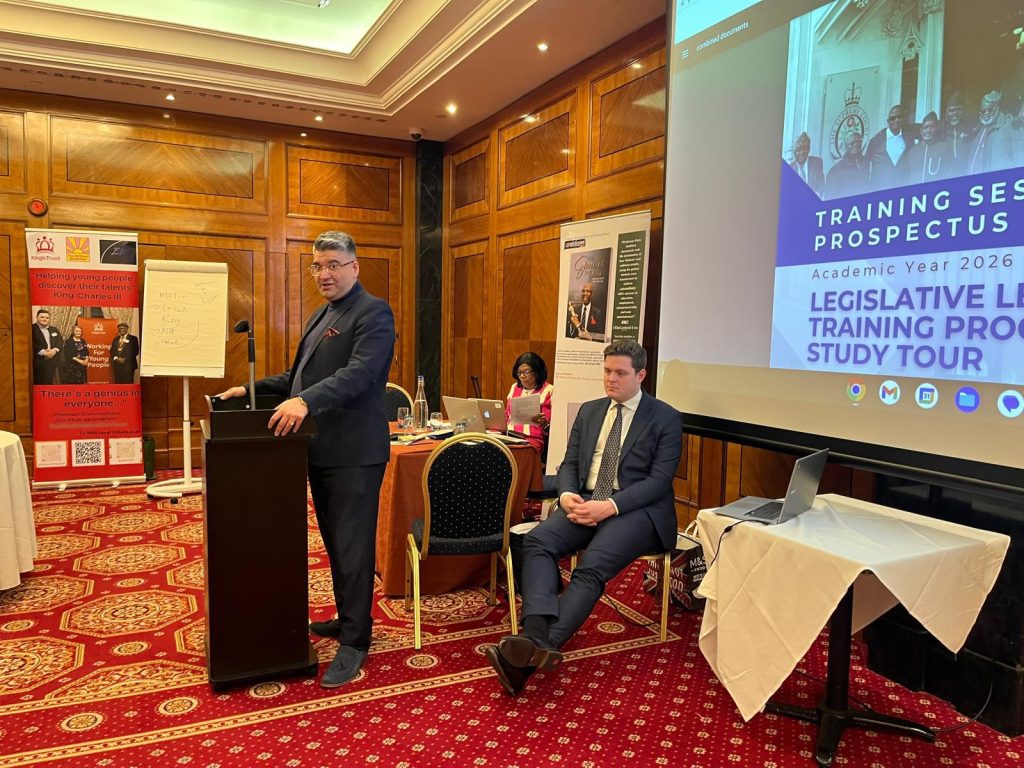
Day Two of the Legislative Leadership Training and Study Tour commenced with a welcome address by the Training Organiser and Director of Programmes, Godson Azu, who warmly received participants and provided a brief recap of the Day One sessions.
He outlined the objectives for the day, introduced the scheduled resource persons, and highlighted expectations for deeper engagement, practical learning, and comparative institutional exposure.
Session One: Artificial Intelligence and Modern Legislative Practice
The first session was facilitated by Prof. Chris Imafidon, a renowned Professor of Artificial Intelligence, distinguished educator associated with Cambridge academic networks, and Director of the Excellence in Education Centre.
Prof. Imafidon delivered an insightful and forward-looking presentation focusing on the growing relevance of Artificial Intelligence (AI) in modern political and legislative environments.
Key Areas Covered
• Application of AI tools in legislative research and documentation
• Digital transformation of parliamentary services
• AI-driven workflow optimisation for legislative offices
• AI, accountability, and transparency in governance
• Enhancing legislative oversight through data analytics
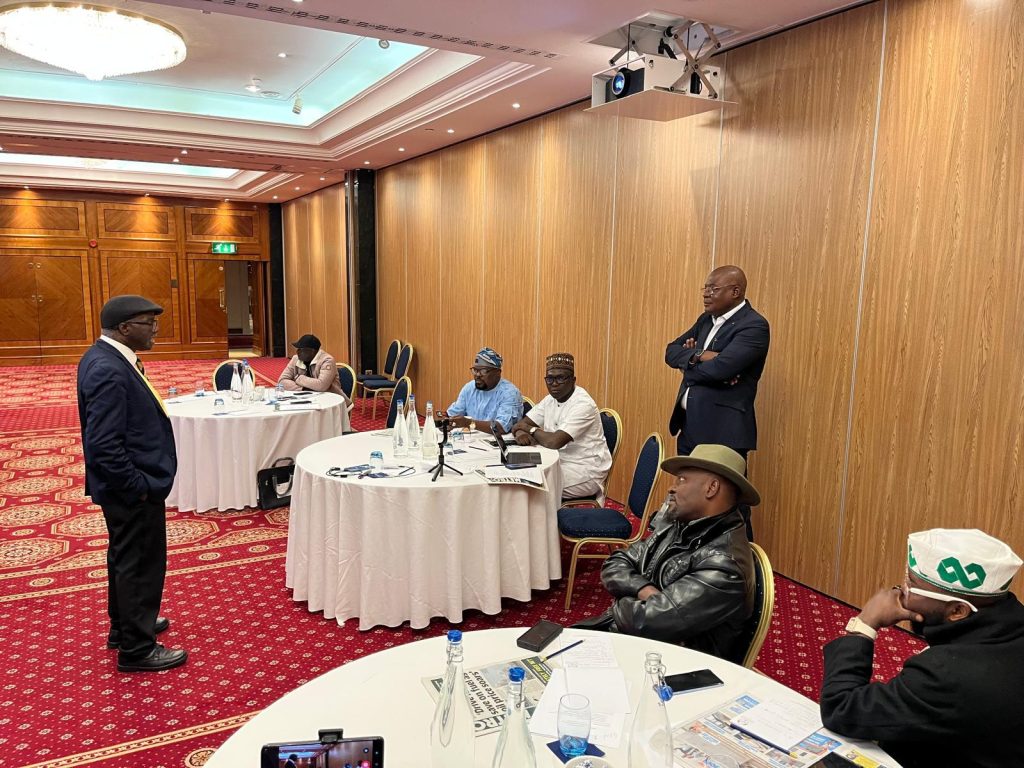
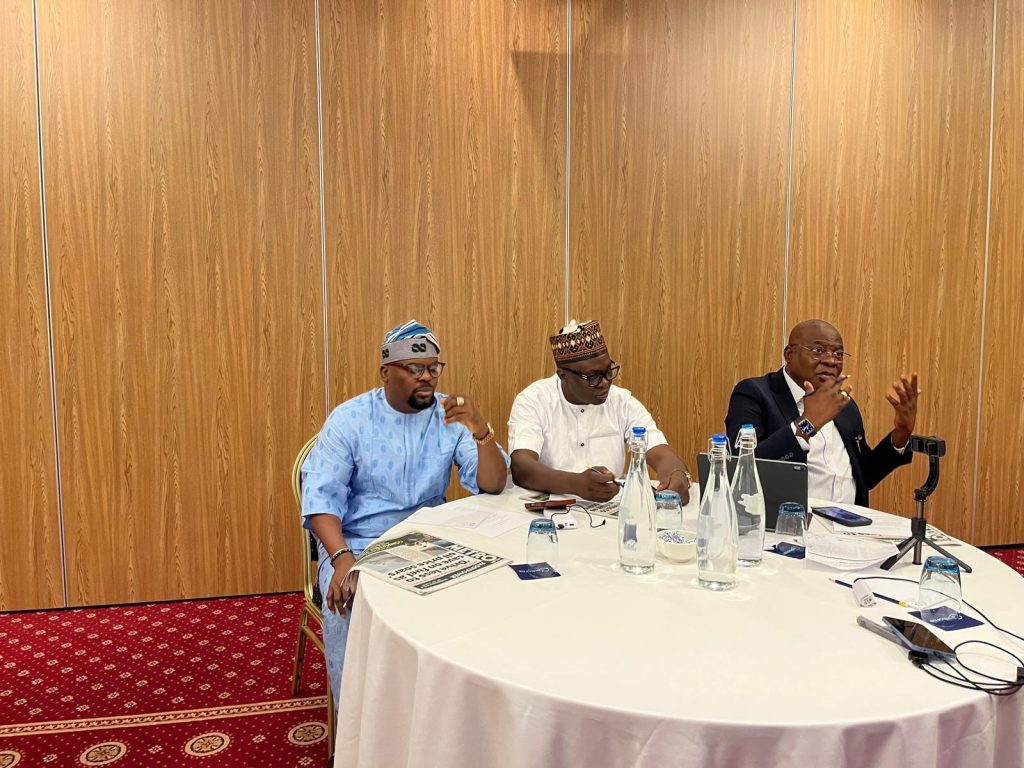
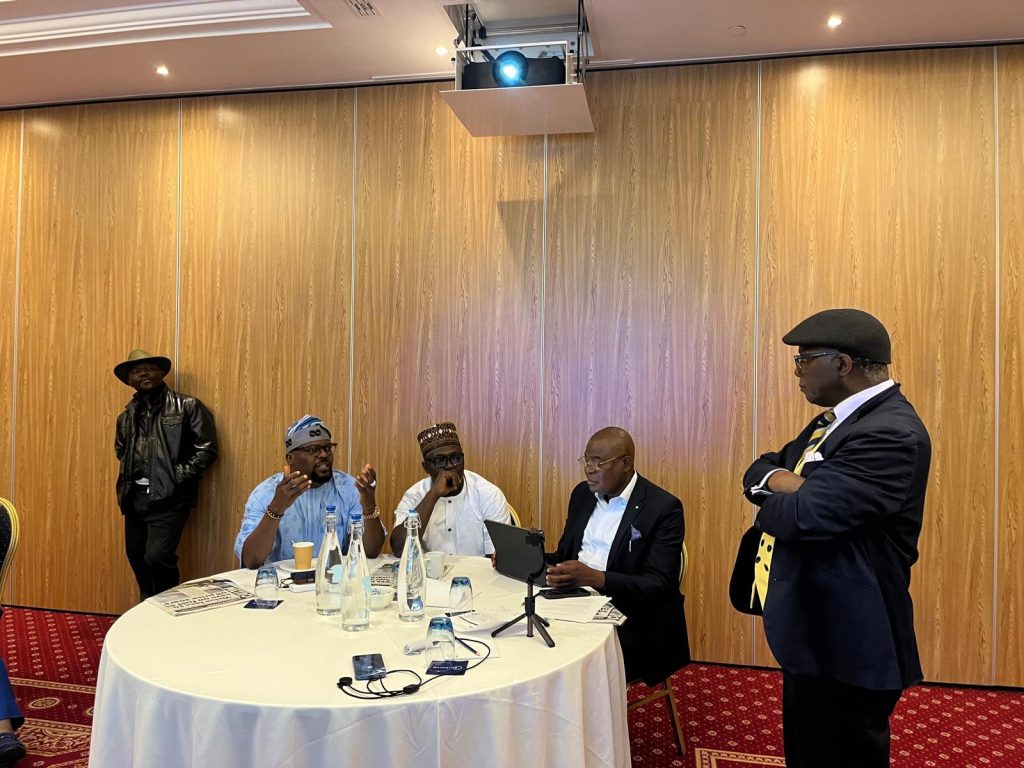
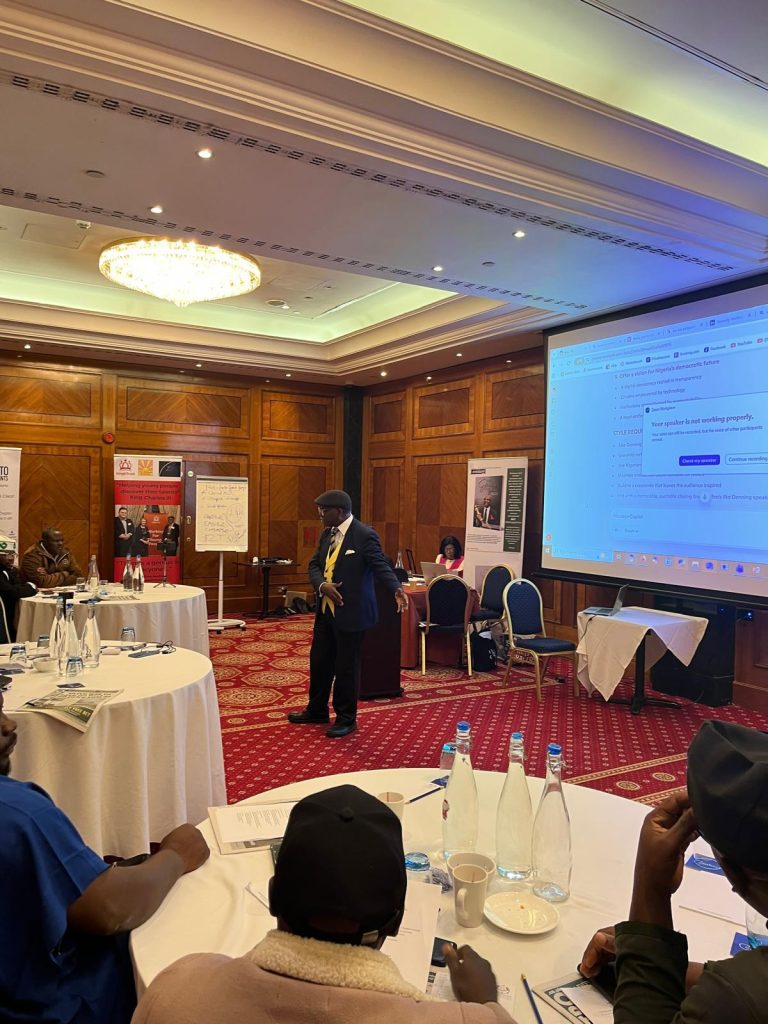
The session combined theory with practical demonstrations, during which participants actively engaged in hands-on exercises using selected AI applications on their mobile devices. This practical component enabled legislators to directly experience how emerging technologies can support constituency engagement, policy research, and administrative efficiency.
The session stimulated strong interest among participants, particularly regarding the integration of digital innovation into legislative operations.
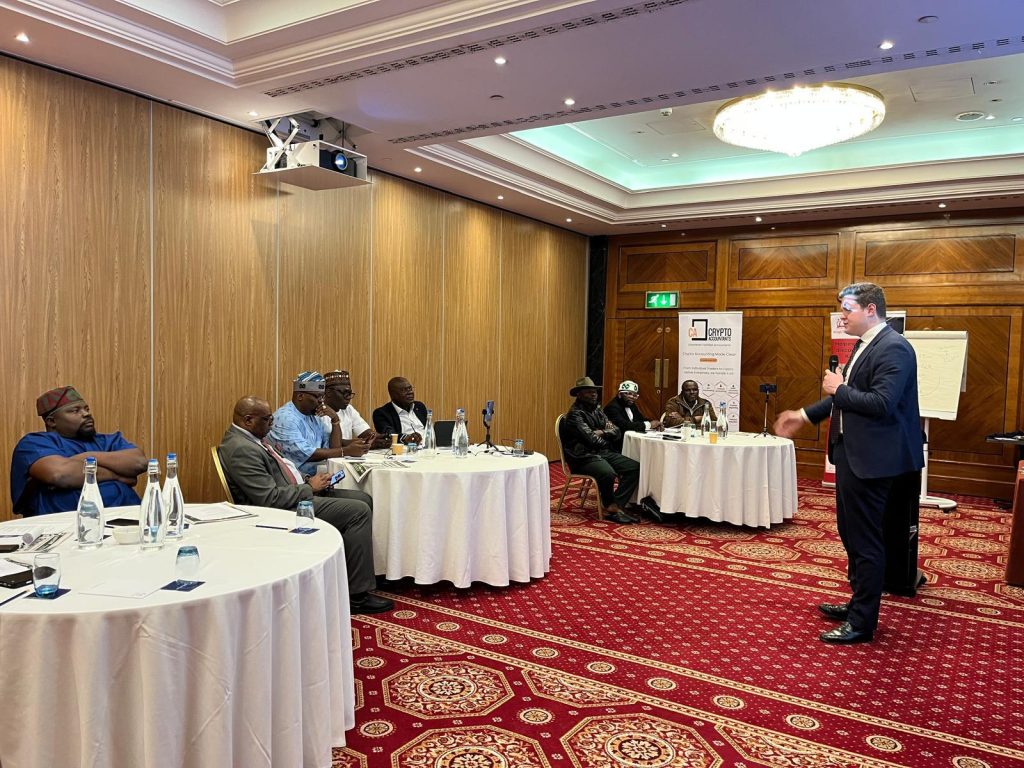
Session Two: Comparative Parliamentary Practice and Political Leadership
The second session was introduced by Prof. Kishan Devani, BEM, Associate Professor of International Relations, International Business Advisor, and Advisory Board Member of CaterandMerger Consult UK.
Prof. Devani briefly shared insights from his political engagements within the United Kingdom and advisory roles with presidents and political leaders across Africa and Caribbean nations, highlighting the importance of international collaboration and knowledge exchange in governance.
He subsequently introduced the Guest Resource Person:
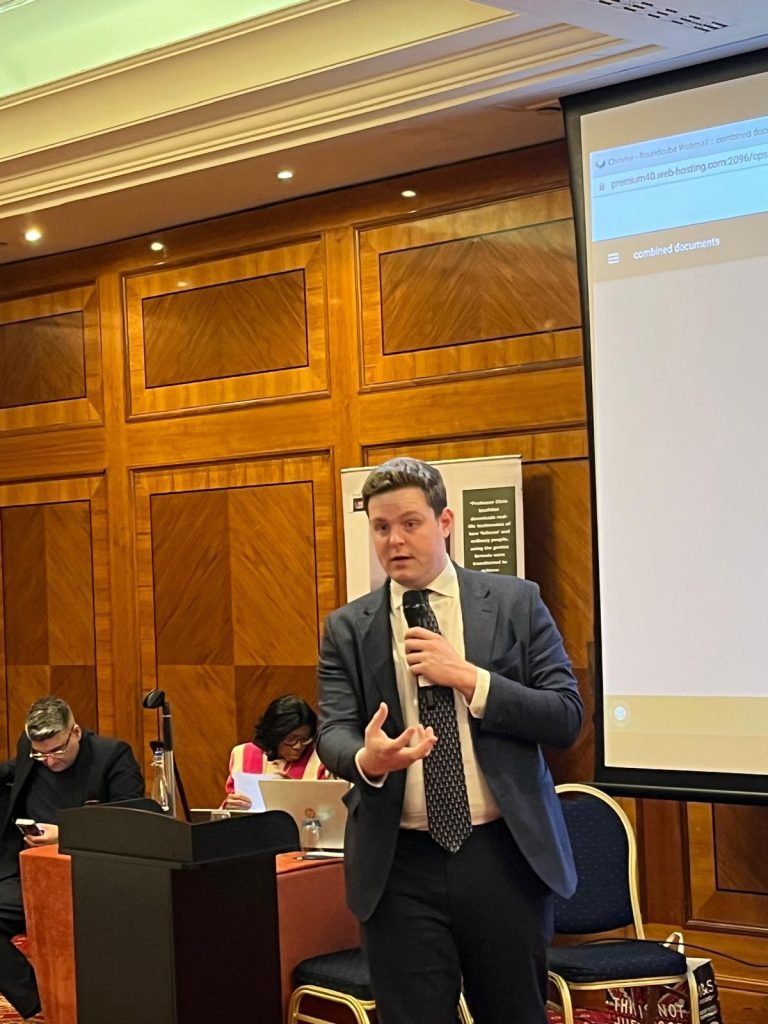
Hon. Oliver Ryan, Member of Parliament (MP) for Burnley, House of Commons, United Kingdom.
Presentation by Hon. Oliver Ryan, MP
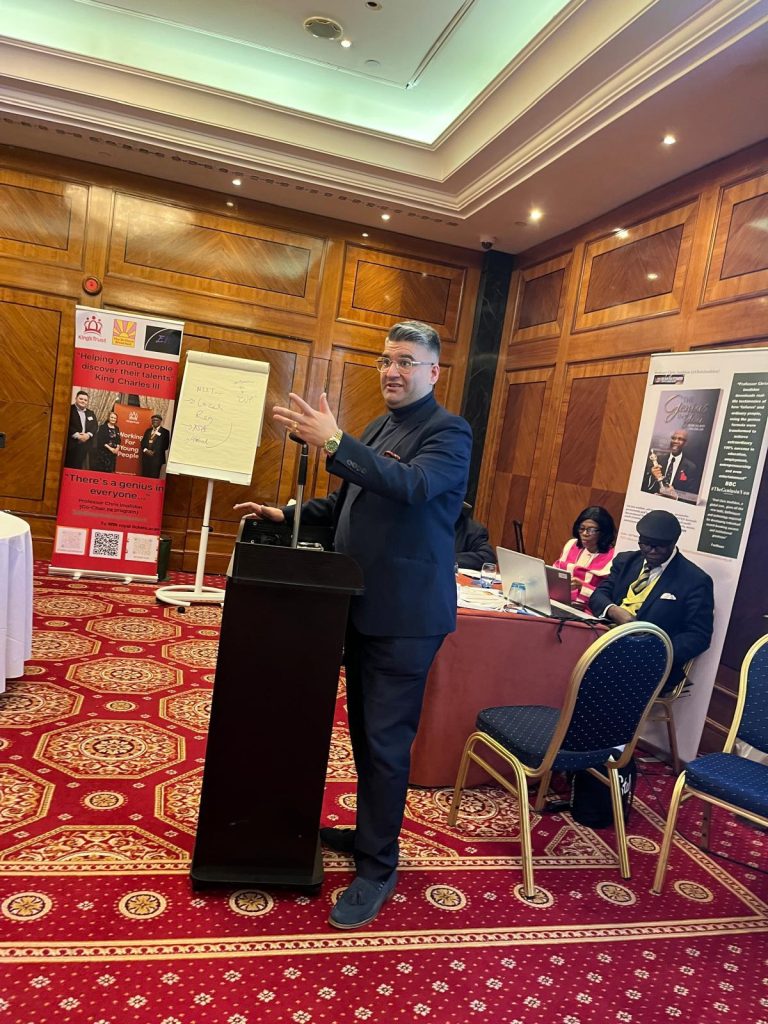
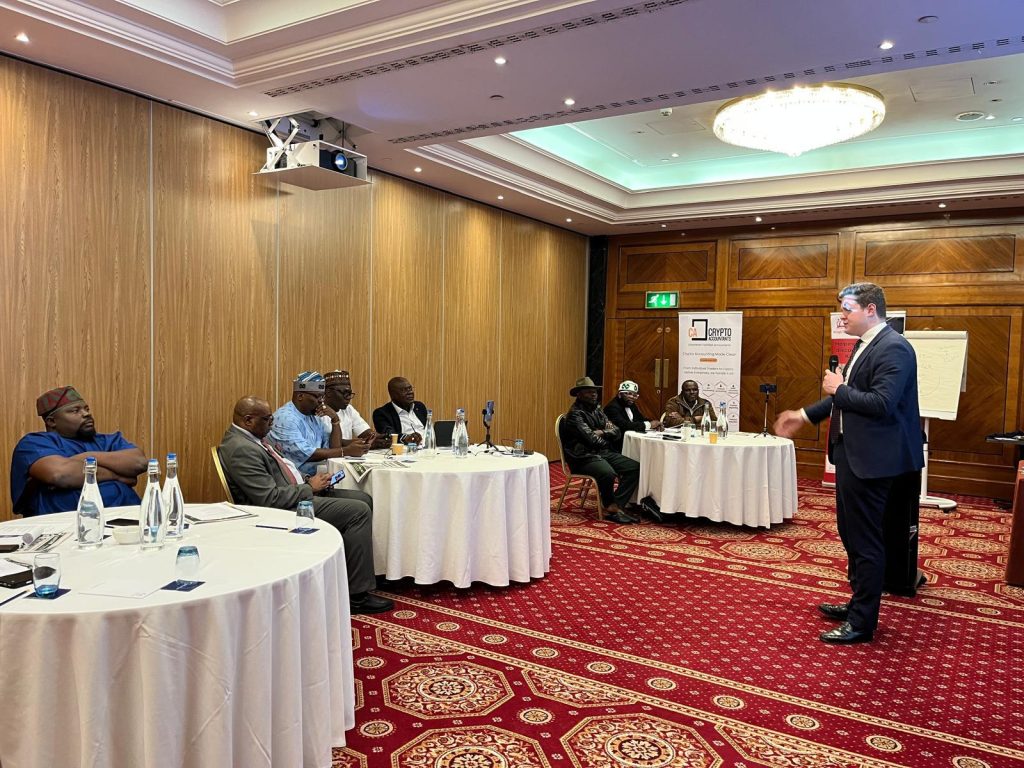
Hon. Ryan delivered an engaging session on the British political and legislative system, providing participants with practical exposure to:
• Structure and functions of the UK Parliament
• Legislative processes and procedures
• Institutional challenges within democratic governance
• Expectations of elected representatives
• Accountability mechanisms within parliamentary systems
The session emphasised peer learning and comparative benchmarking by exposing participants to UK parliamentary practices and democratic institutional frameworks, offering lessons adaptable to sub-national legislatures such as state assemblies in Nigeria.
⸻
Leadership Reflections and Strategic Commitment
Following the presentations, the Leader of the Delegation and Honourable Speaker of the Plateau State House of Assembly, Rt. Hon. Daniel, expressed strong appreciation for the depth and relevance of the sessions.
Particularly impressed by Prof. Imafidon’s presentation on Artificial Intelligence, the Speaker made an open declaration that upon returning to Plateau State, he would engage the State Governor to consider approving an expanded capacity-building programme involving:
• Legislative leadership
• Executive leadership
• Judicial stakeholders
He further emphasised the importance of extending international exposure and institutional capacity development opportunities to key actors across the political and public governance sectors of the state.
The Speaker also commended the presentation by Hon. Oliver Ryan, MP, noting the value of comparative democratic learning and global legislative collaboration.
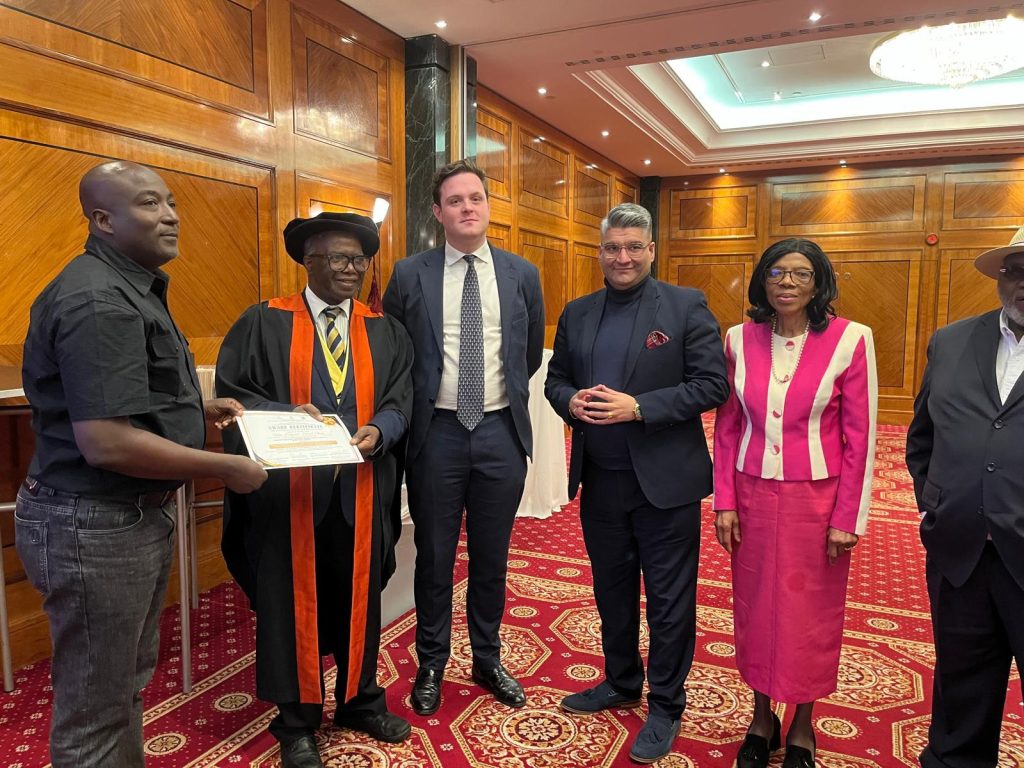
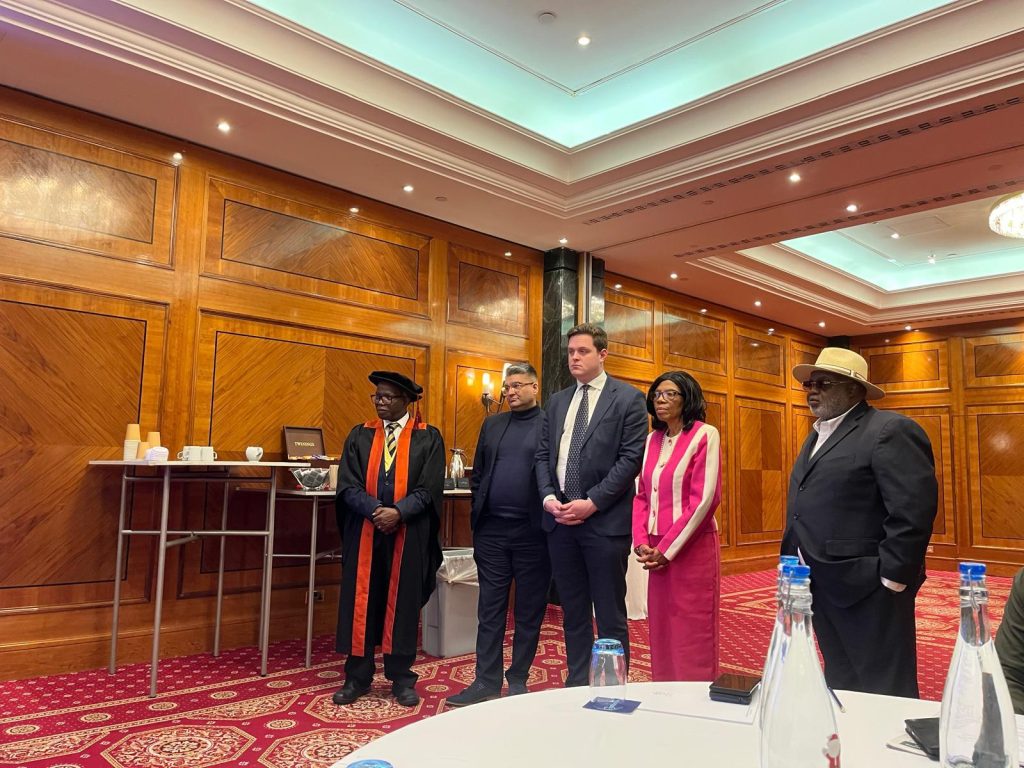
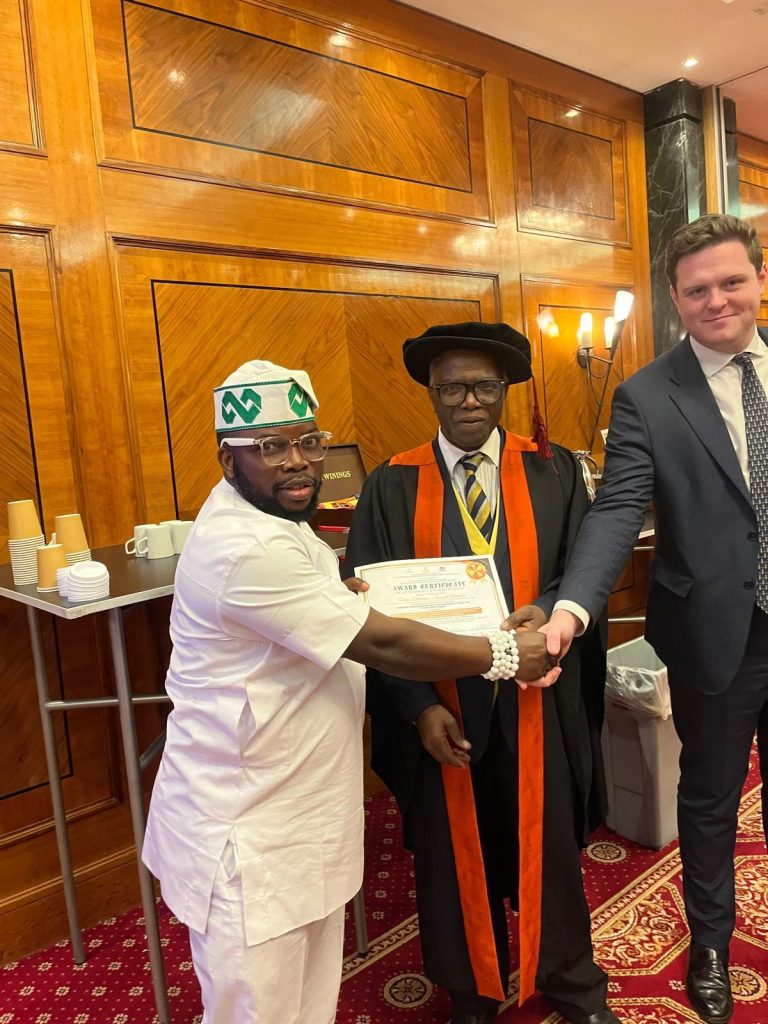
Certificate Presentation Ceremony
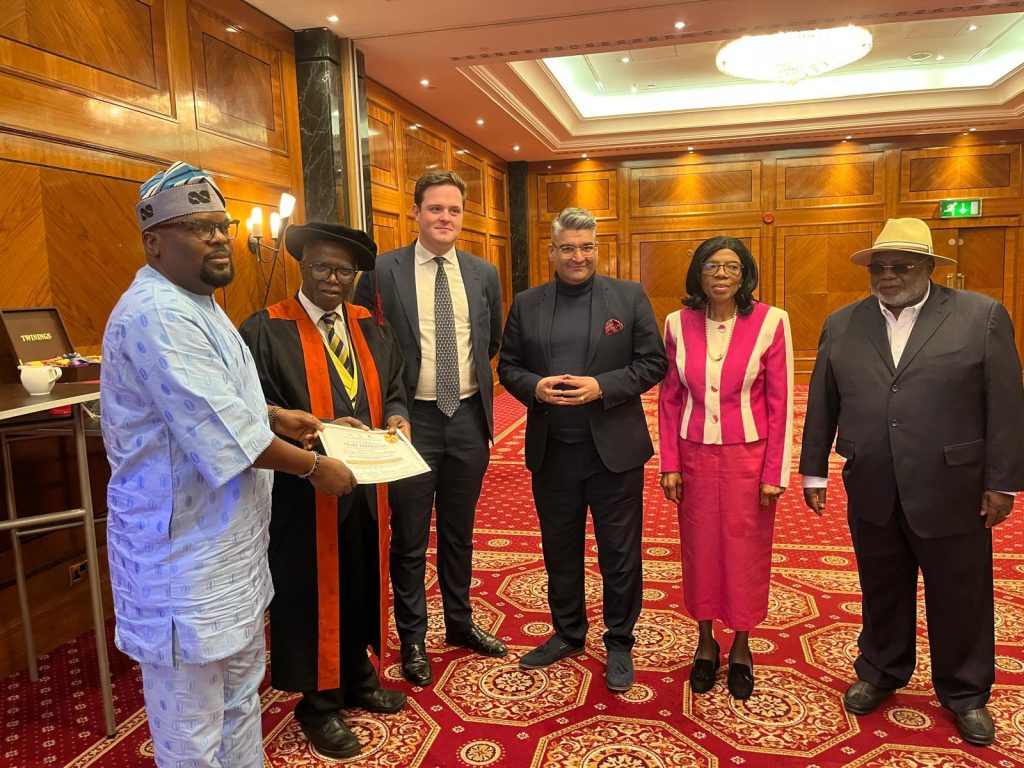
The Day Two programme concluded with a formal presentation of Certificates of Attendance and Participation to members of the delegation.
Certificates were presented by:
• Prof. Chris Imafidon
• Hon. Oliver Ryan, MP
• Prof. Kishan Devani, BEM
• Prof. Mrs. Elewechi Okike
• Chief Dr. Cliford Atile
The ceremony marked recognition of participants’ active engagement and commitment to professional legislative development.

Conclusion
Day Two significantly advanced the programme’s objectives by integrating technology-driven governance learning with comparative parliamentary exposure. The sessions reinforced the importance of innovation, accountability, and international collaboration in strengthening legislative institutions.
Participants concluded the day with enhanced understanding of AI-enabled governance tools and deeper insights into democratic legislative practices within the United Kingdom.
DAY THREE SESSION REPORT
Legislative Leadership Training and Study Tour of UK Key Institutions
For Members of the Plateau State House of Assembly, Nigeria
Organised and Facilitated by:
CaterandMerger Consult UK
In collaboration with Academic Partners
Day Three Proceedings — Study Tour of Key UK Institutions
Following two successful days of intensive indoor training sessions, Day Three of the Legislative Leadership Training and Study Tour transitioned into an institutional field study designed to provide practical exposure to key democratic and judicial institutions within the United Kingdom.
The delegation, led by the Honourable Speaker of the Plateau State House of Assembly, embarked on an educational tour across central London, utilising the London Underground transport system from Kensington High Street to Westminster Station — offering participants firsthand experience of the efficiency of London’s public transport infrastructure and urban governance systems.
Visit to the UK Supreme Court
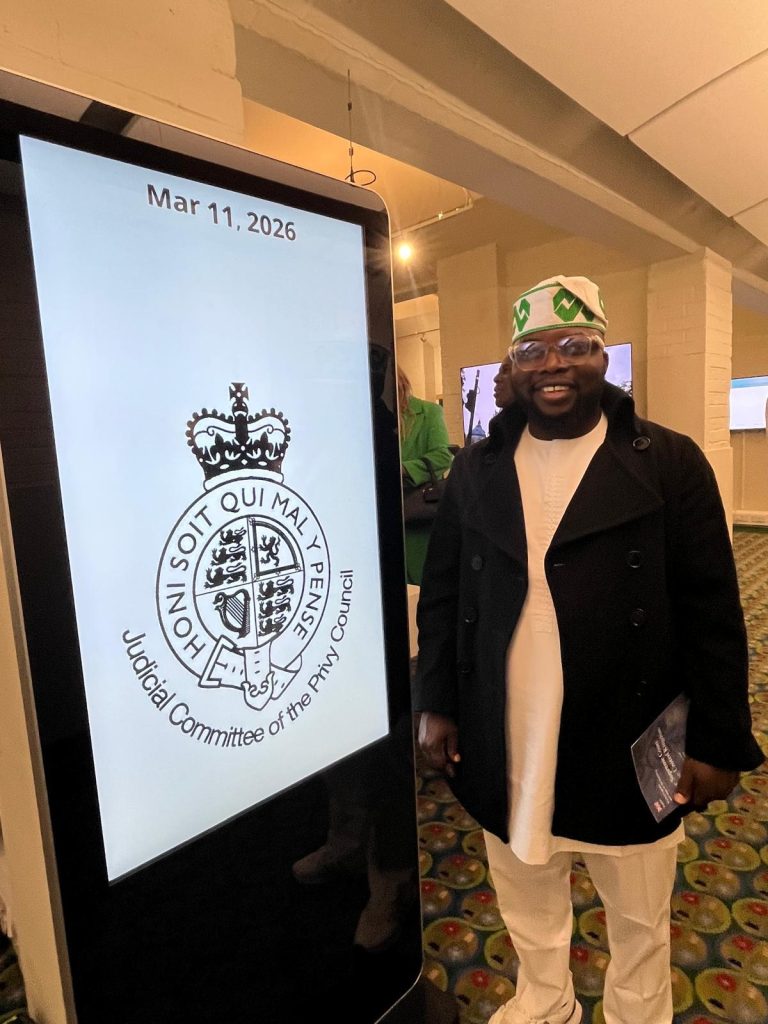
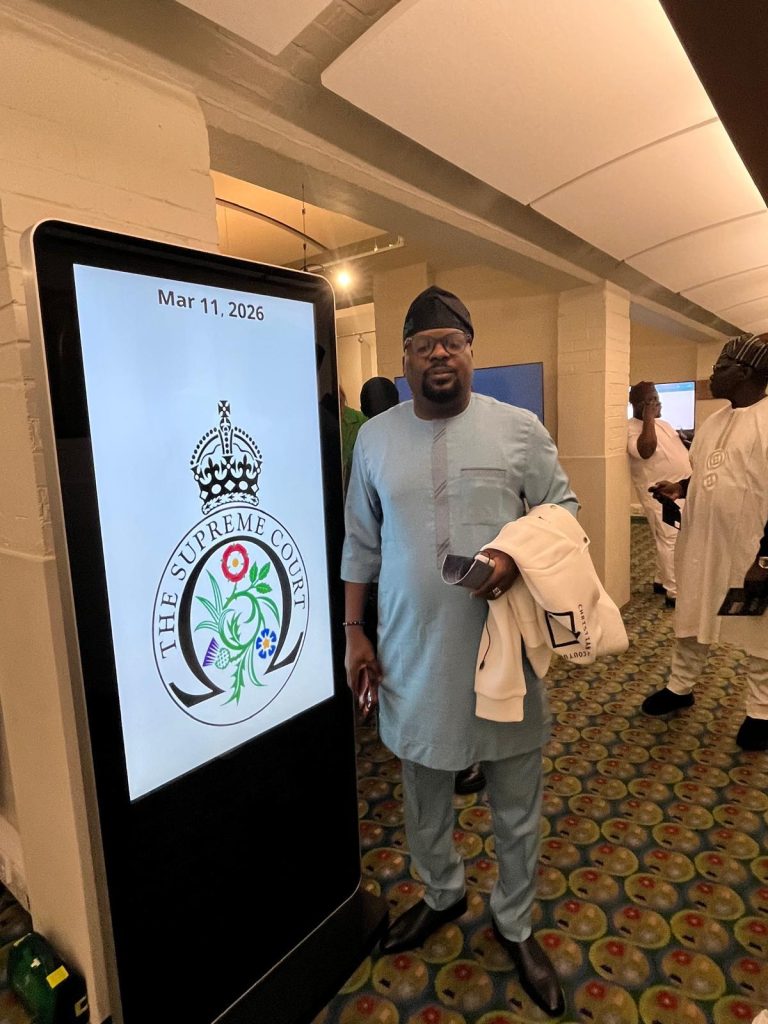
Upon arrival at Westminster, the delegation was received by Prof. Chris Imafidon, who guided participants through a study visit to the Supreme Court of the United Kingdom.
During the tour, Prof. Imafidon provided detailed explanations covering:
• The constitutional role of the judiciary in democratic governance
• Historical development of the UK judicial system
• The independence and authority of the Supreme Court
• The judiciary’s impact on governance and rule of law
• Symbolism within the Court, including coats of arms and institutional insignia
• The global influence and jurisprudential reach of the Court beyond the United Kingdom
• The enduring significance of the Magna Carta as a foundation of constitutional democracy and rule of law principles
The session strengthened participants’ understanding of judicial independence and the balance of powers within democratic systems.
Visit to the UK Parliament — Westminster
The delegation’s next engagement was a study tour of the UK Parliament.
They were formally received at Portcullis House, the parliamentary complex officially opened by Her Majesty The Queen in February 2001 to provide office accommodation for Members of Parliament and their staff.
The delegation was hosted by Hon. Oliver Ryan, MP for Burnley, who facilitated access through the VIP entrance of Parliament, a privilege typically reserved for senior government officials and special delegations.
Westminster Hall
Hon. Ryan first led the delegation to Westminster Hall, where he explained its historical and ceremonial significance, including:
• Its role as one of the oldest surviving parts of the parliamentary estate
• Use for state ceremonies and national occasions
• Lying-in-state ceremonies for distinguished national figures
• Historic addresses delivered by monarchs, prime ministers, presidents, and global leaders
The Central Lobby (Great Lobby)
The delegation proceeded to the Central Lobby, the strategic intersection between parliamentary chambers.
Participants learned that:
• The space serves as a key interaction point where Members of Parliament engage in consultations and lobbying discussions before major legislative votes.
• It symbolises accessibility between elected representatives and democratic decision-making processes.
A notable historical insight shared during the tour highlighted that much of the timber used in rebuilding the House of Commons chamber—after it was destroyed during the Second World War—was sourced from Nigeria, reportedly from regions formerly within the Midwestern area, reflecting historic Commonwealth connections.
Observation of Parliamentary Proceedings
Hon. Ryan facilitated special access for the delegation to the House of Commons Public Gallery, where members observed:
• A live Ministerial Question Time session
• Parliamentary debates in progress
This live observation provided participants with practical exposure to legislative scrutiny, debate culture, and executive accountability mechanisms within the UK parliamentary system.
Grand Committee Jubilee Room Engagement
The visit concluded with a session in the Grand Committee Jubilee Room, where the delegation held a brief interaction and photo opportunity with a serving UK Government Minister, The Hon. Minister for AI and Online Safety
Department for Science, Innovation and Technology
{RT Hon Kanishka Narayan MP}
to further enhancing diplomatic and institutional engagement.
⸻
Learning Outcomes and Institutional Impact
The study tour significantly broadened participants’ understanding of:
• British political and legislative traditions
• Judicial and parliamentary relationships
• Separation of powers within constitutional governance
• The historical relationship between the Crown, the Church, Parliament, and the Judiciary
• Practical parliamentary operations and democratic accountability mechanisms
Participants described the experience as a rare and lifetime institutional learning opportunity, reinforcing the importance of international legislative exposure for strengthening sub-national governance institutions.
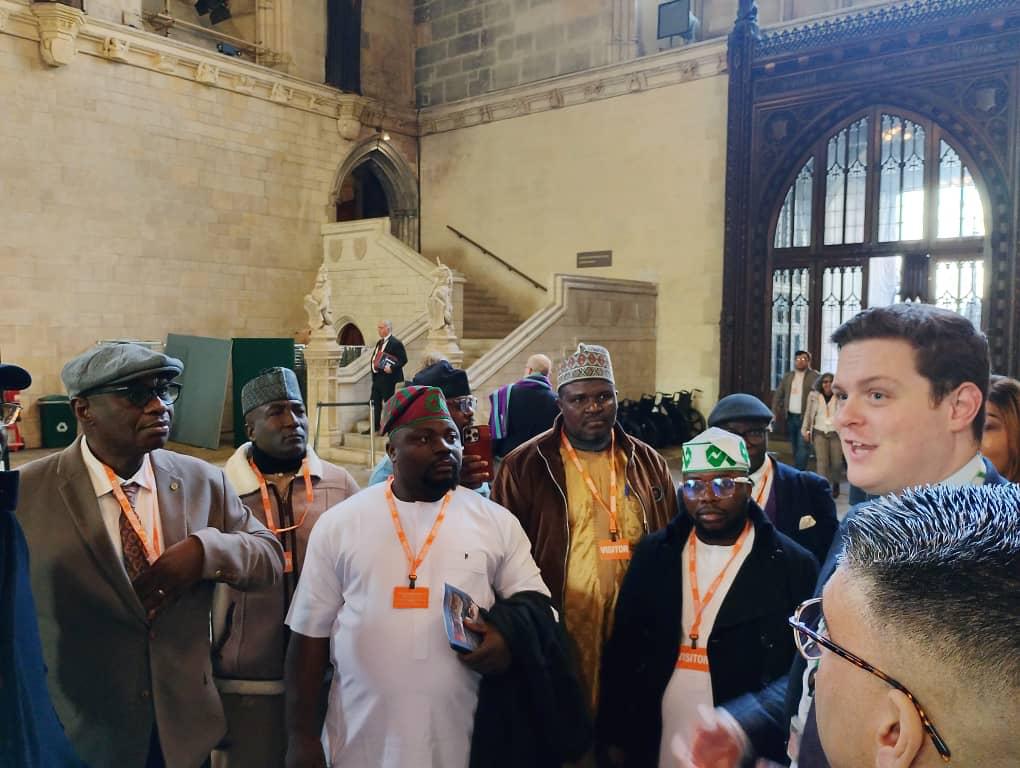
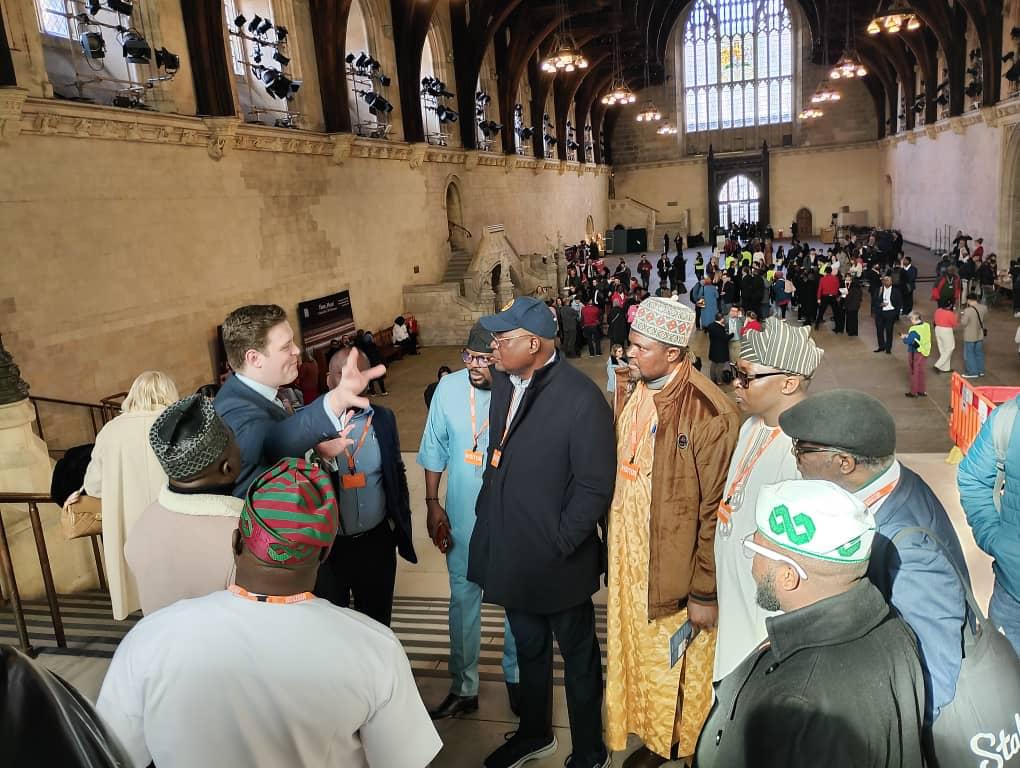
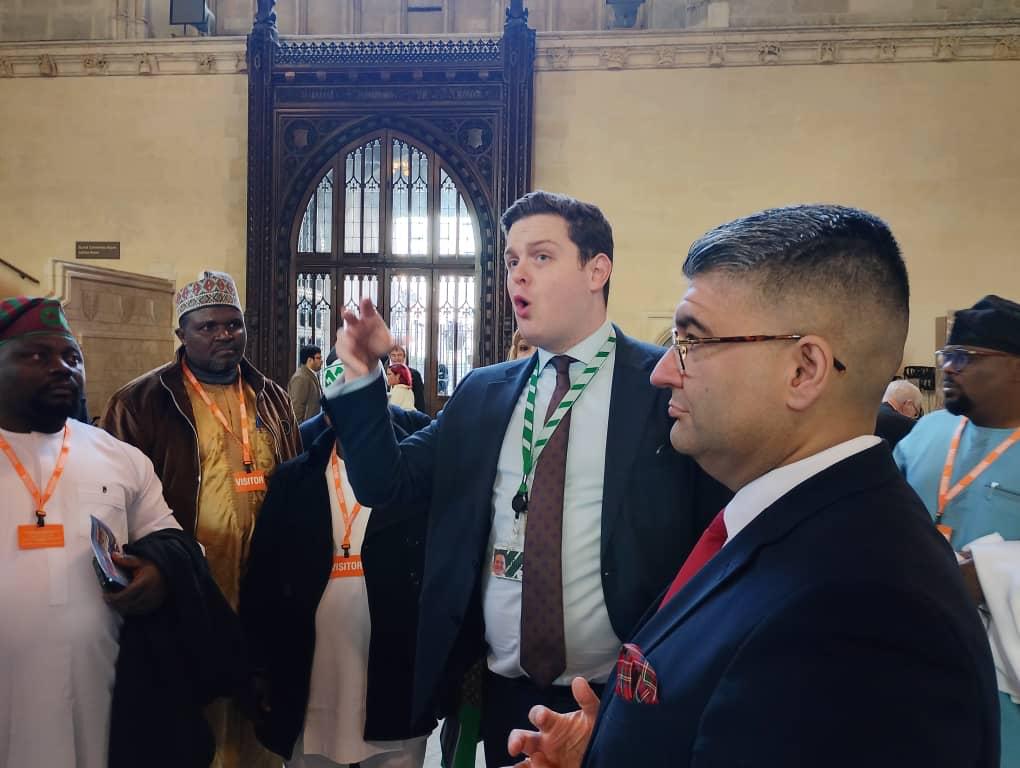
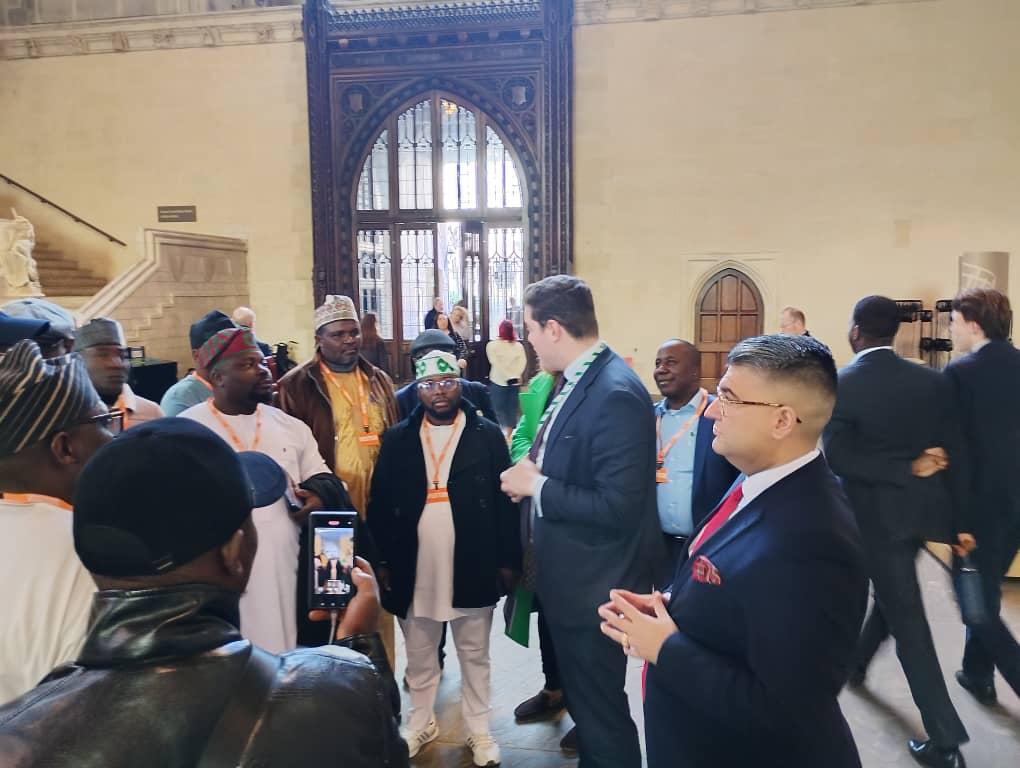
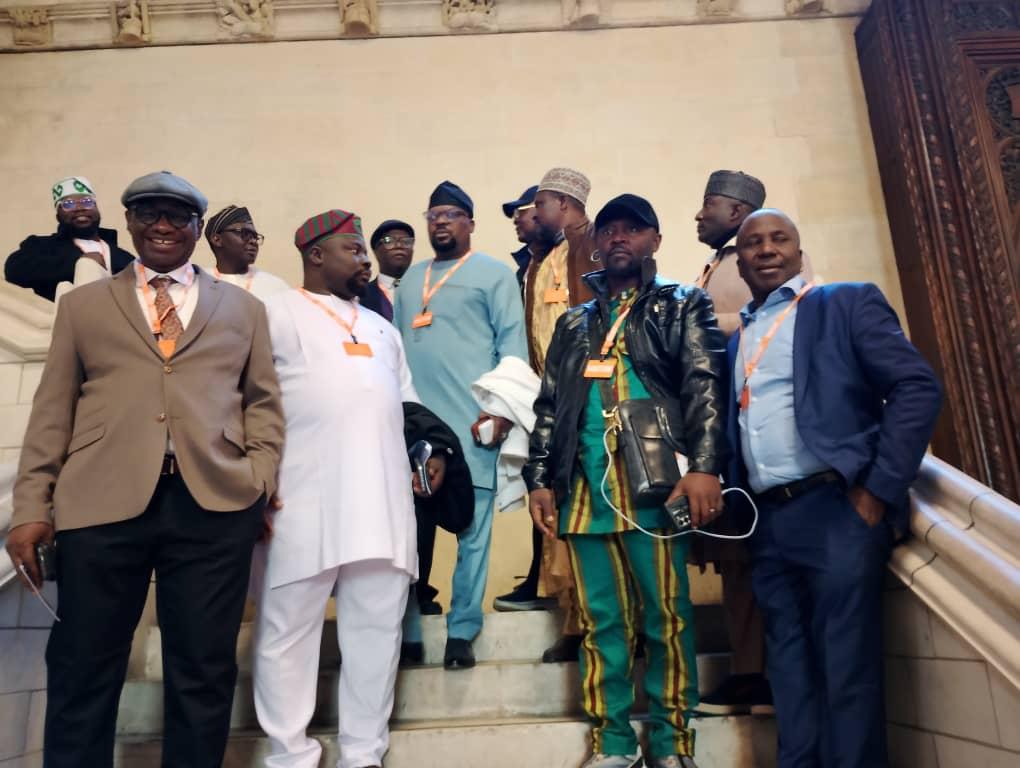
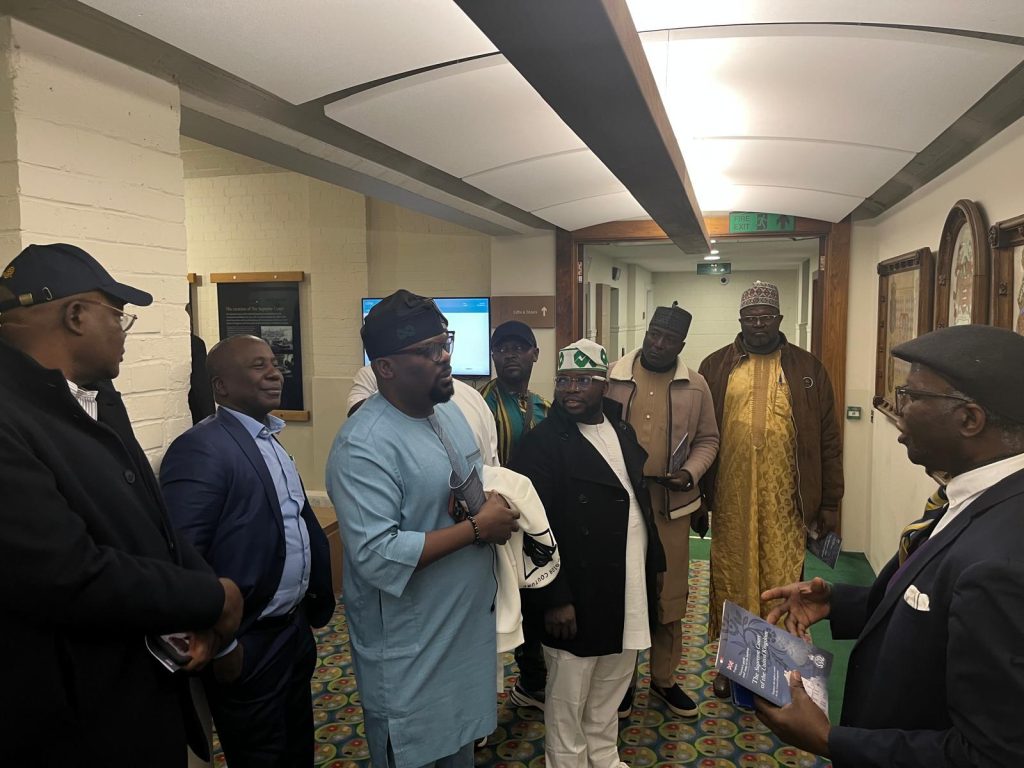
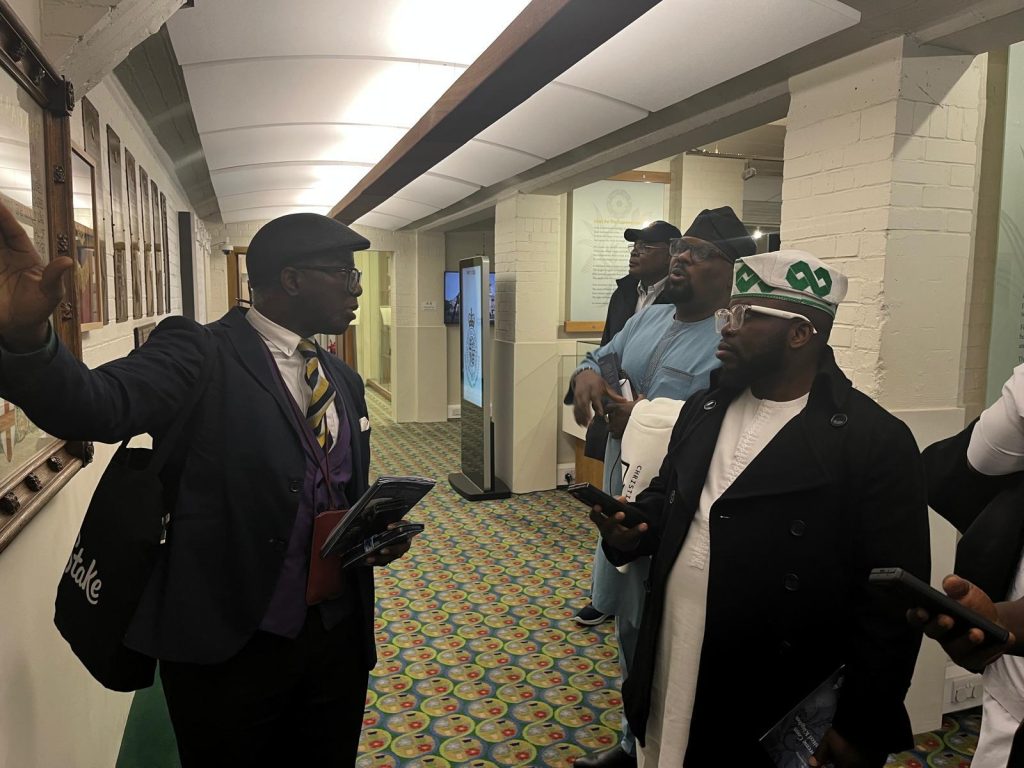
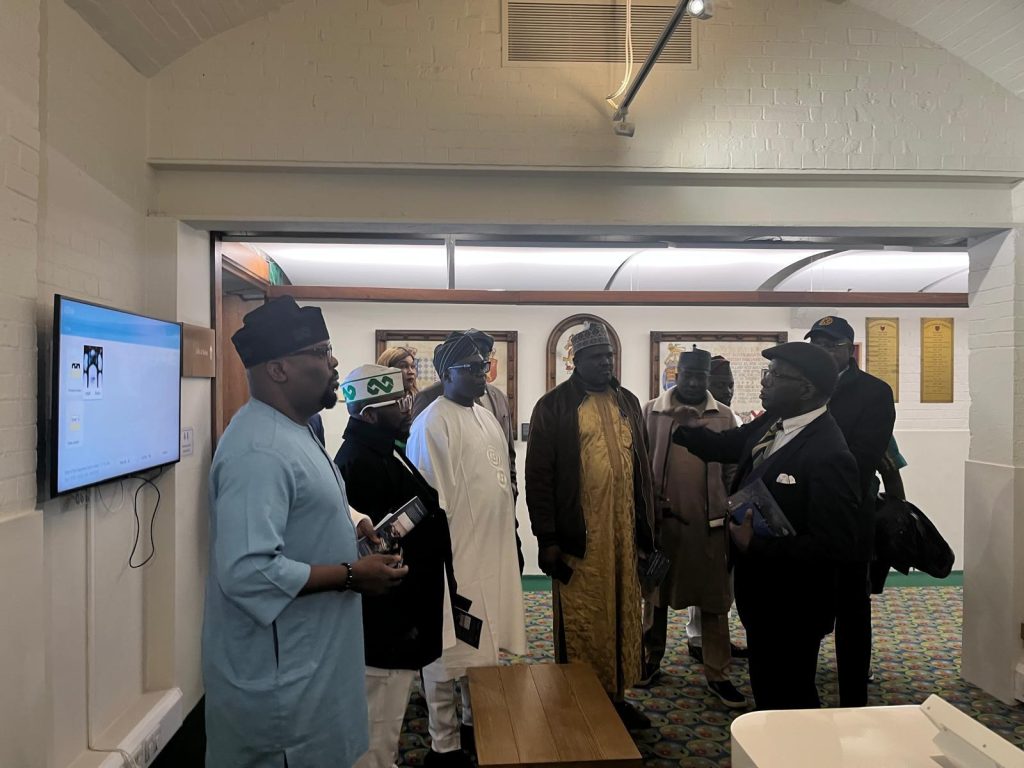
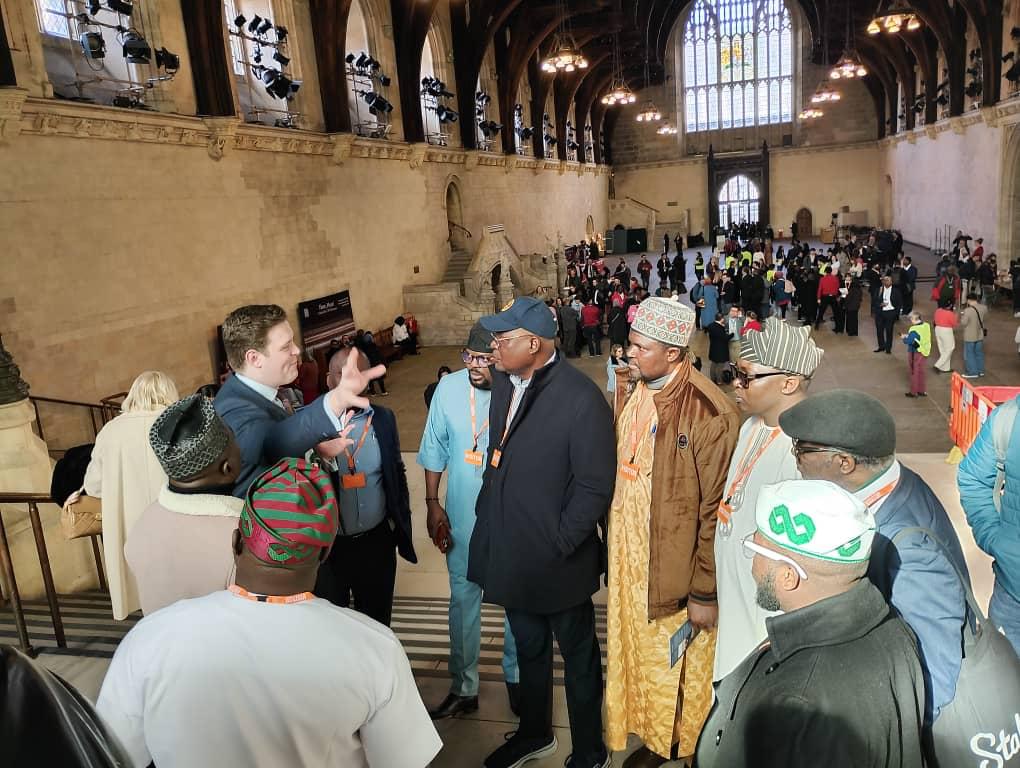
Hon Oliver Ryan receiving the Plateau State House of Assembly Members, Led by the Hon. Speaker into Westminster Hall, House of Parliament today
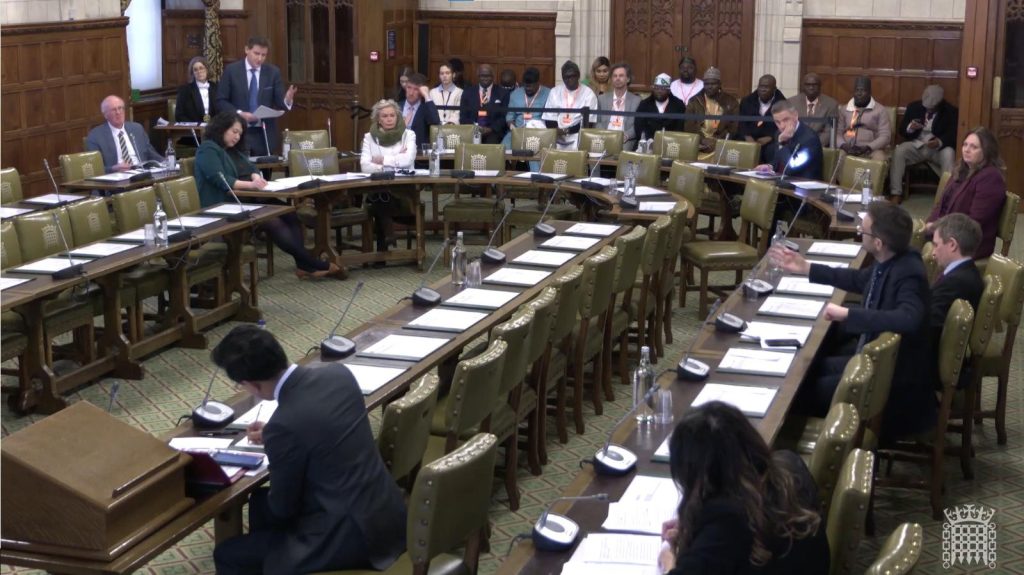
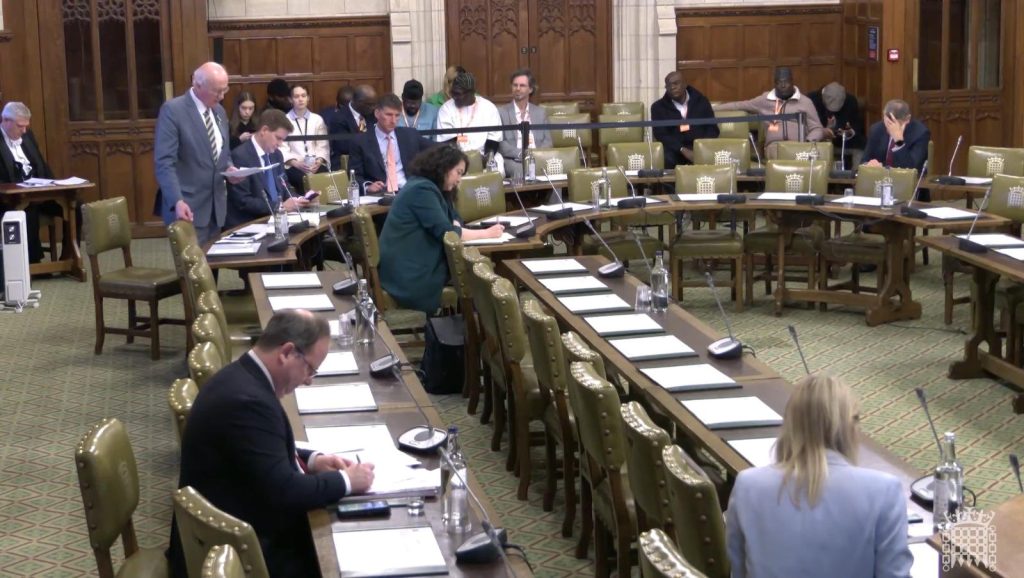
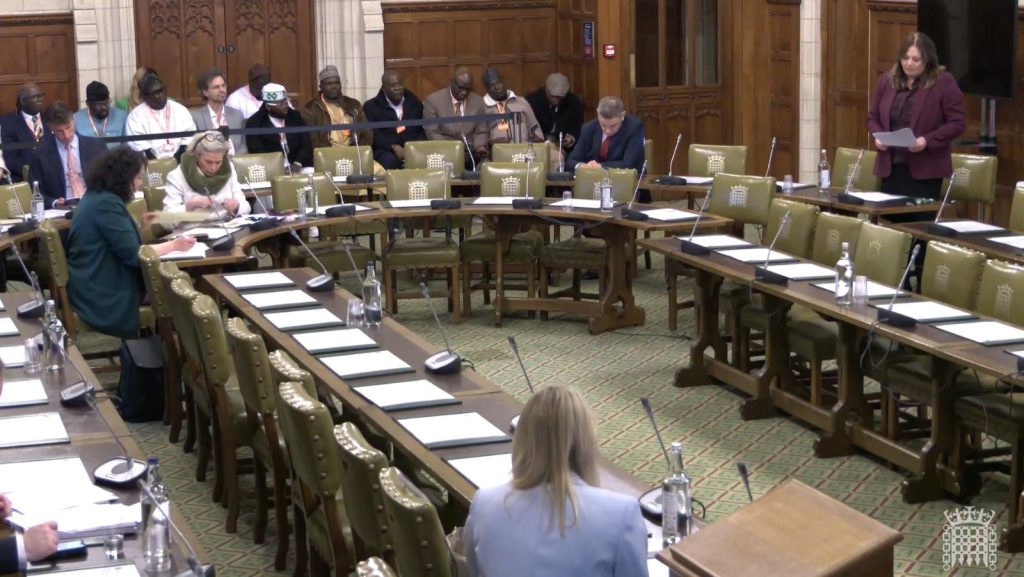
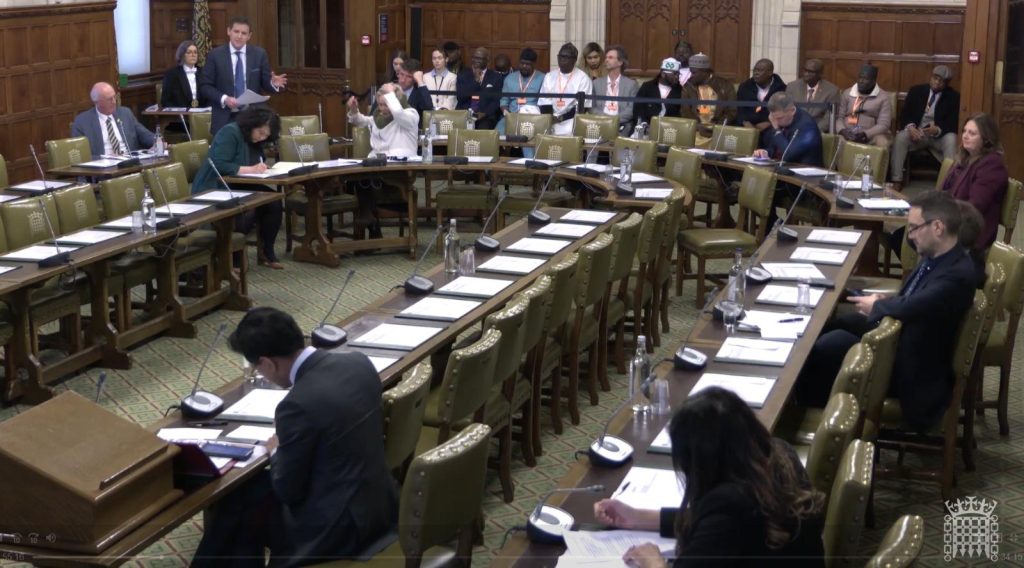
The delegation were guest at a select committee meeting with the Hon. Minister for AI and Online Safety
Department for Science, Innovation and Technology
{RT Hon Kanishka Narayan MP}
Programme Conclusion
Day Three marked the successful conclusion of the Plateau State House of Assembly Legislative Leadership Training Workshop and Study Tour of Key UK Institutions (Second Batch) in London.
The programme achieved its objective of strengthening legislative leadership capacity through academic engagement, technological exposure, and practical institutional benchmarking across key democratic institutions of the United Kingdom.
The study tour significantly enhanced participants’ appreciation of comparative governance systems and reinforced the importance of continuous professional development for effective legislative performance.
⸻
Acknowledgement and Appreciation
Special appreciation is hereby extended to the distinguished resource persons and institutional partners whose expertise, commitment, and support contributed immensely to the success of the study tour:
• Prof. Kishan Devani, BEM, for his strategic guidance, international relations insights, and continuous advisory support throughout the programme.
• Hon. Oliver Ryan, Member of Parliament for Burnley, for graciously hosting the delegation at the UK Parliament and providing invaluable practical exposure to British parliamentary processes and democratic traditions.
• Prof. Chris Imafidon, for his outstanding academic leadership, facilitation of both training and institutional study sessions, and his impactful contribution in advancing participants’ understanding of innovation, governance, and judicial systems.
Their collective contributions greatly enriched the learning experience and ensured the overall success of the Legislative Leadership Training and Study Tour.
⸻
CaterandMerger Consult UK expresses sincere gratitude to all partners, facilitators, and participants and looks forward to welcoming the final batch of the Plateau State Legislature in the coming weeks as the programme continues.
⸻
Prepared by:
Godson Azu
CEO, CaterandMerger Consult UK
Director of Programmes
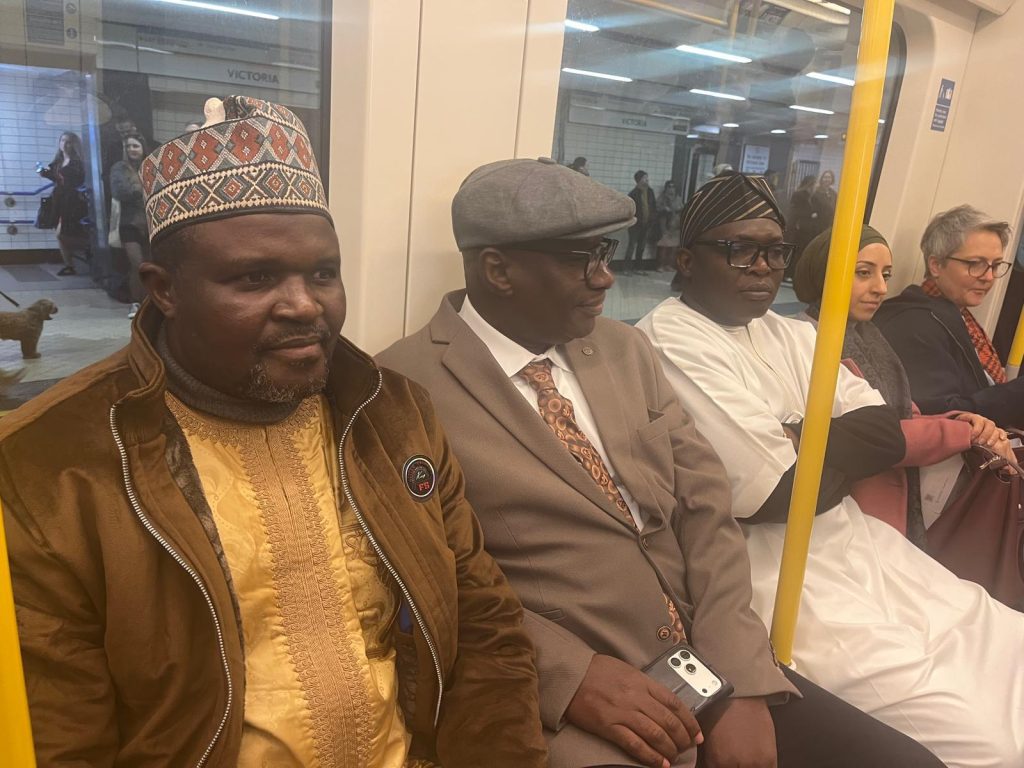


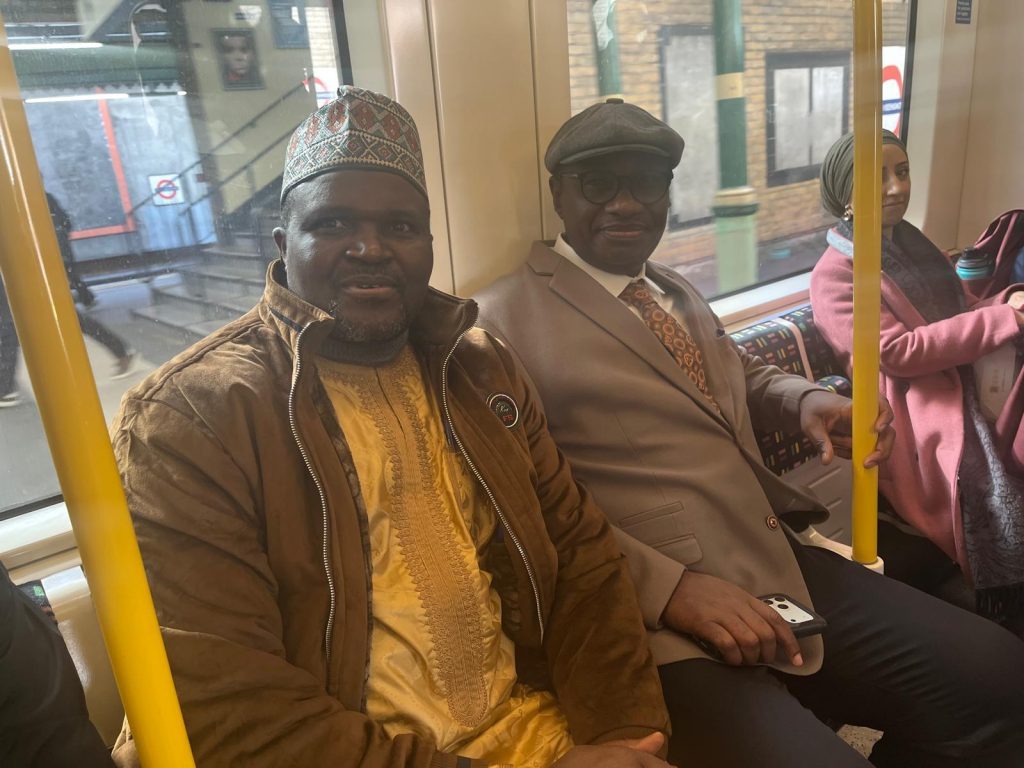

Plateau State House of Assembly Members led by the Hon. Speaker of the House, on the Circle Line Tube from Kensington High Street Station to Westminster Station
⸻
⸻
⸻
Resource Person Communique. By Prof. Chris Imafidon.
Communique after the training and follow up meeting. This Communique should include action on how to actualise turn plateau state of Nigeria into an excellent state
Communiqué on the Plateau State Tech Hub Initiative
Following Leadership Training at the UK Supreme Court and Palace of Westminster
Preamble
Leaders and legislators participating in the ongoing capacity-building and policy training sessions at the UK Supreme Court of Justice and the Palace of Westminster, under the guidance of Professor Chris Imafidon, have examined practical pathways for transforming Plateau State, Nigeria, into a globally competitive technology hub.
During the sessions, Professor Imafidon demonstrated how Artificial Intelligence (AI) and accelerated learning methodologies can multiply productivity, performance, and profitability across all sectors. He further presented new research on global tech-talent shortages and the emerging opportunity for African youths to serve as remote, outsourced tech workers for organisations in the USA, UK, EU, and Canada while physically residing in their cities, towns, and villages in Africa.
Vision
To position Plateau State as an international tech hub and Africa’s leading AI-enabled outsourcing destination, comparable to Bangalore in India as a “Tech and AI Outsourcing Capital of the World.”
To develop a critical mass of industry-ready, globally certified digital talent—true digital natives equipped with the skills required for today’s and tomorrow’s hard-to-fill high‑tech roles in advanced economies.
To deploy the GeniusFormula accelerated learning methodology of ExcellenceinEducation.org.uk to fast‑track skills acquisition and lifelong learning.
Key Observations
Global demand for tech talent far exceeds available supply, especially in AI, cloud computing, cybersecurity, data science, and software engineering. This gap is particularly acute in the USA, UK, EU, and Canada.
Plateau State has already been identified by Nigeria’s Federal Ministry of Communications, Innovation and Digital Economy as a strategic location for digital infrastructure, talent development, and Business Process Outsourcing (BPO).
The planned transformation of the iconic Nigeria Standard building into a digital hub in Plateau State provides a ready anchor for a world‑class tech and innovation ecosystem.
Professor Imafidon’s AI-led learning and productivity models show that, when properly deployed, AI tools can compress learning time, raise attainment, and dramatically increase individual and institutional output.
With adequate broadband connectivity and structured training, Plateau youths can earn in dollars, euros, and pounds through remote work, without leaving their home communities.
Strategic Action Points for Plateau State Governor
- Establish “Plateau Digital Talent City”
Officially designate the Nigeria Standard building and surrounding precinct as “Plateau Digital Talent City” – a special innovation and outsourcing zone.
Provide enabling policies: tax incentives for tech firms, simplified business registration, and streamlined regulations for foreign partnerships and BPO contracts.
- Launch the Plateau–Excellence in Education GeniusFormula Academy
Partner with ExcellenceInEducation.org.uk to set up a GeniusFormula Academy in Plateau State focused on accelerated learning for digital skills, coding, AI, cybersecurity, and data analytics.
Embed Professor Imafidon’s accelerated learning models to help learners acquire globally competitive skills in shorter cycles, with emphasis on practical, project‑based learning.
Align curricula with international industry certifications sought by employers in the USA, UK, EU, and Canada (e.g., cloud, AI, security, software development).
- Build an AI‑First Education and Training Pipeline
Introduce AI‑assisted teaching and learning tools (for personalised learning paths, assessment, mentoring, and language support) in secondary schools, tertiary institutions, and the GeniusFormula Academy.
Prioritise training of trainers (teachers, lecturers, and youth mentors) in AI literacy and the GeniusFormula methodology so that capacity can scale rapidly across the state.
- Create “Plateau Global Outsourcing Exchange”
Establish a state‑backed outsourcing and remote‑work exchange to connect Plateau’s trained youth to companies and recruiters in North America, Europe, and other regions.
Develop a verified talent registry and digital portfolio system showcasing Plateau youth’s projects, certifications, and references.
Negotiate framework agreements with international firms, diaspora networks, and tech platforms to place Plateau talent in remote roles.
- Invest in Connectivity and Digital Infrastructure
Accelerate deployment of planned telecom towers, fibre‑optic networks, and secure data facilities across urban and rural Plateau to ensure reliable, high‑speed internet access.
Prioritise digital access centres and co‑working hubs in local government areas, enabling youths in towns and villages to participate fully in the digital economy.
- Youth Inclusion, Community Outreach, and Equity
Launch a state‑wide “Digital Natives of Plateau” campaign to identify, recruit, and support youths—especially girls, rural residents, and under‑represented groups—into training programmes.
Provide scholarships, stipends, or income‑sharing agreements for high‑potential youths who lack financial means, ensuring that opportunity—not background—determines success.
- Governance, Policy, and International Partnerships
Set up a “Plateau Tech and AI Council” comprising representatives from government, academia, industry, youth groups, and international partners (including Excellence in Education and diaspora experts).
Develop a state digital economy roadmap with clear targets: number of trained youths, certifications achieved, remote jobs secured, and revenue generated from outsourcing.
Engage multilateral agencies, development partners, and impact investors to support infrastructure, training, and entrepreneurship programmes within the tech hub.
Implementation Timeline (Indicative)
First 6 months:
Formalise partnership with Excellence in Education and other technical partners.
Launch Plateau Digital Talent City with pilot GeniusFormula Academy and first training cohorts.
6–18 months:
Scale training cohorts, complete trainer‑of‑trainers programmes, and operationalise the Plateau Global Outsourcing Exchange.
Secure initial international outsourcing contracts and place first cohorts of remote workers.
18–36 months:
Expand to multiple local government areas, deepen sector specialisation (e.g., fintech, healthtech, agritech), and pursue global branding of Plateau as an AI and tech outsourcing hub.
Conclusion
Participants in the UK training reaffirm that Plateau State stands at a historic crossroads: with decisive leadership and strategic investment, it can convert its emerging digital infrastructure, youthful population, and global partnerships into a sustainable, world‑class AI and tech outsourcing ecosystem.
They therefore respectfully call on His Excellency, the Governor of Plateau State, to adopt and champion this communique, and to convene a high‑level task force to begin immediate implementation, ensuring that the youths of Plateau become globally competitive digital professionals while contributing to inclusive growth at home