By Mazi Godson Azu
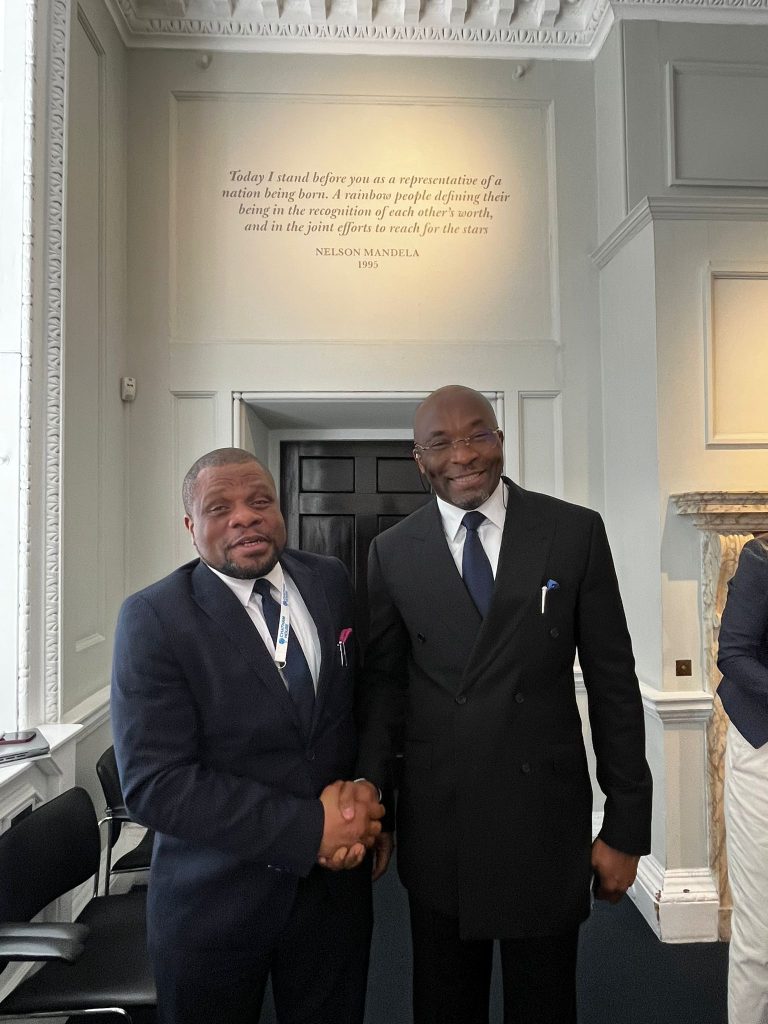
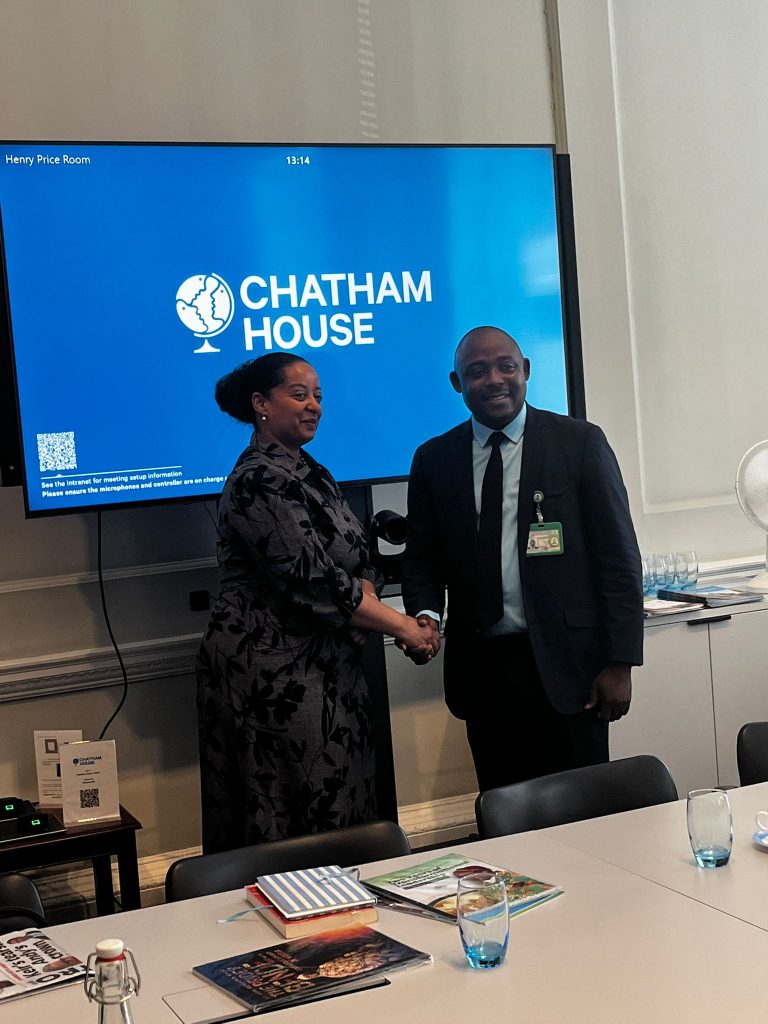
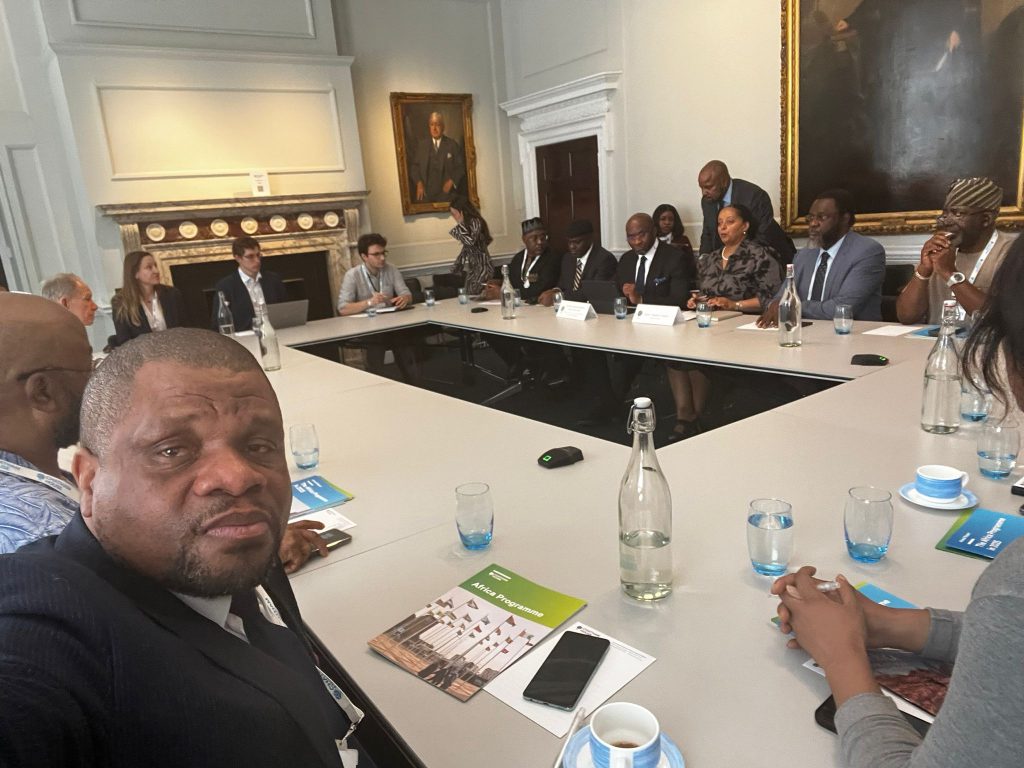
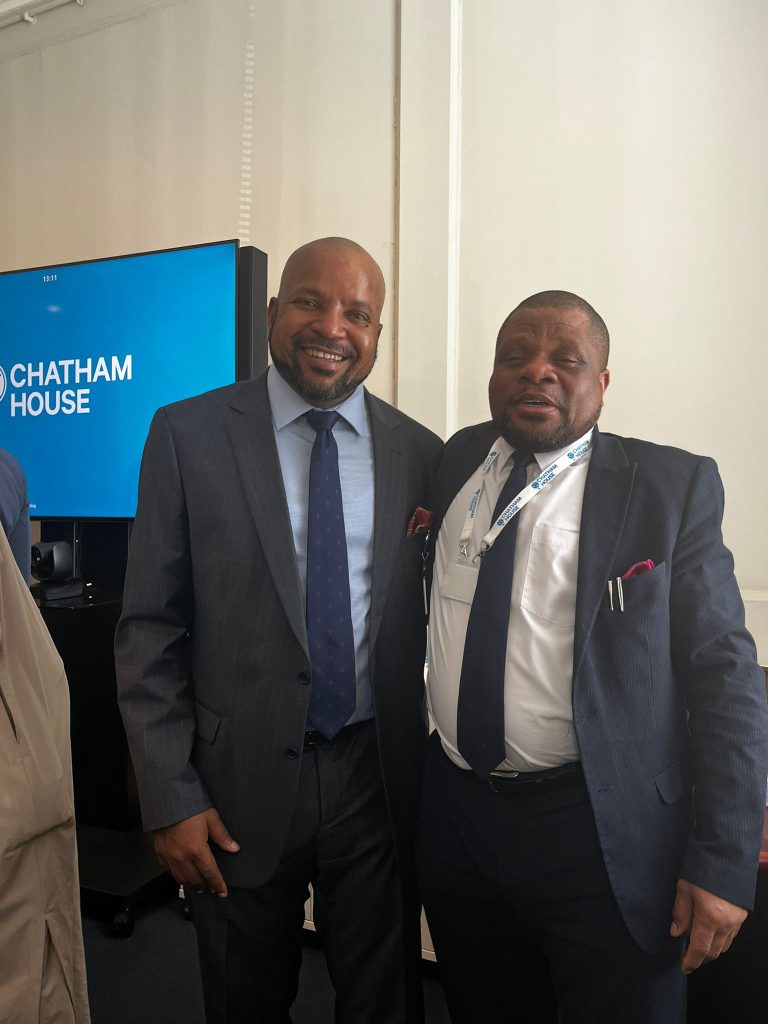
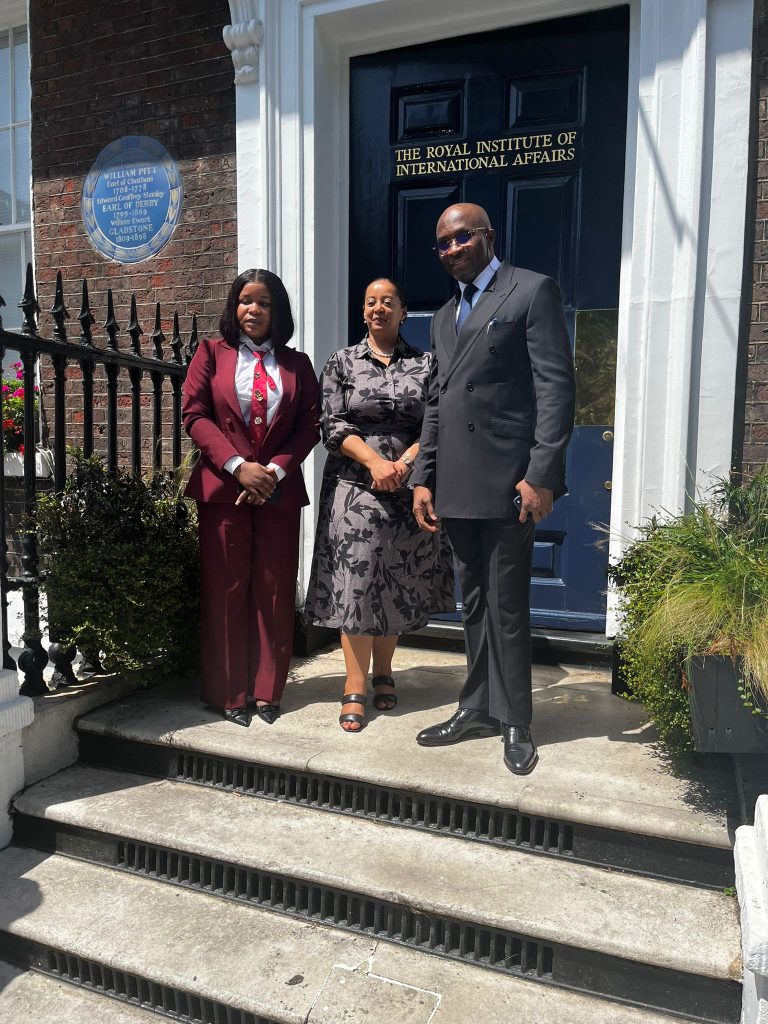
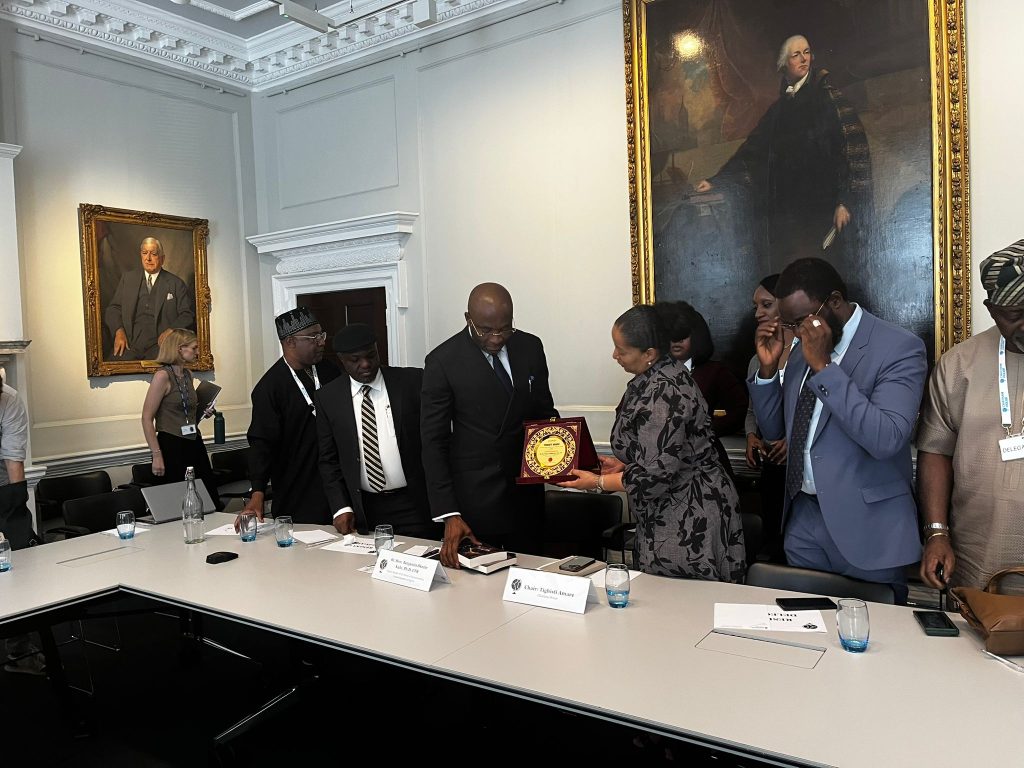
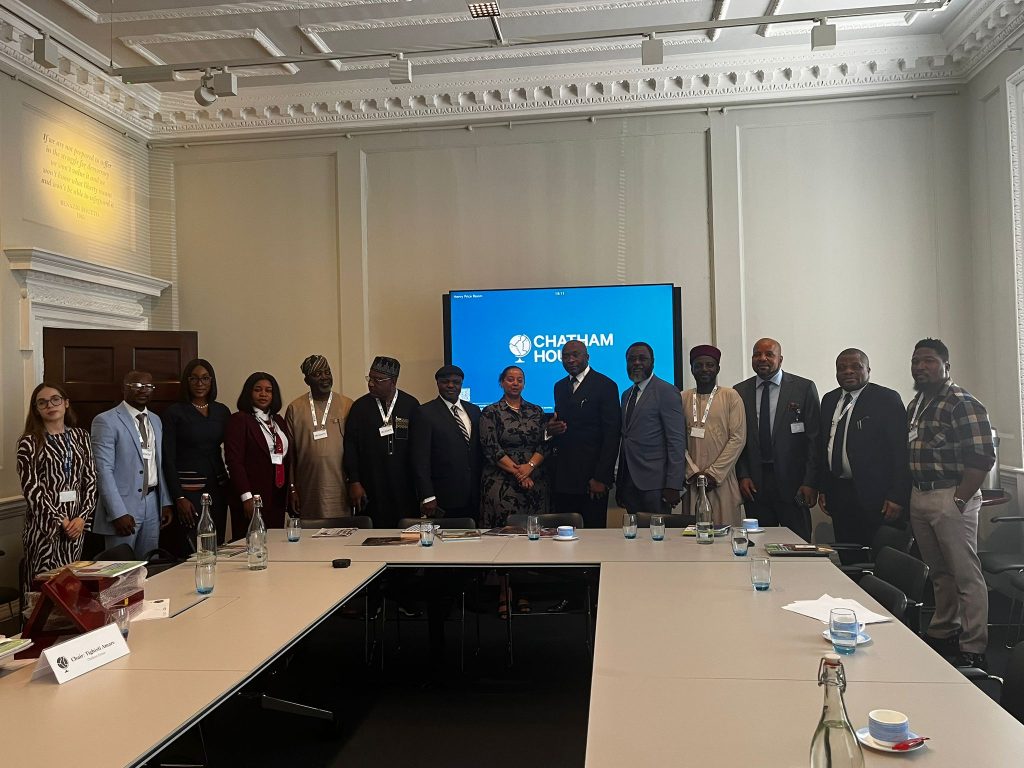
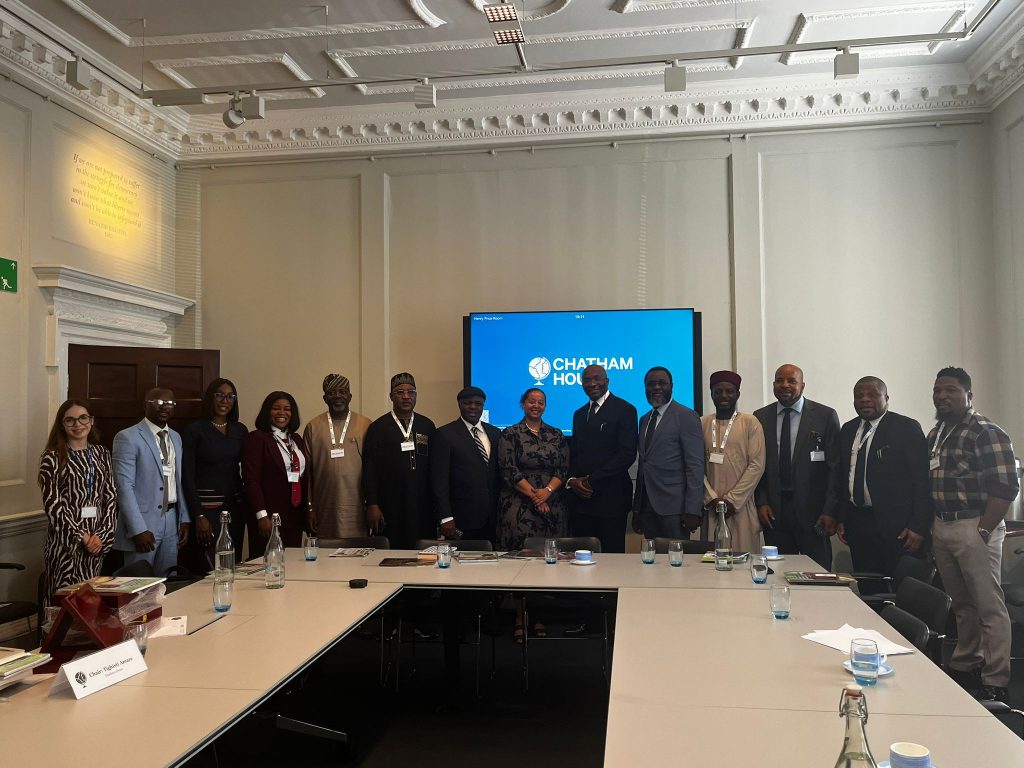
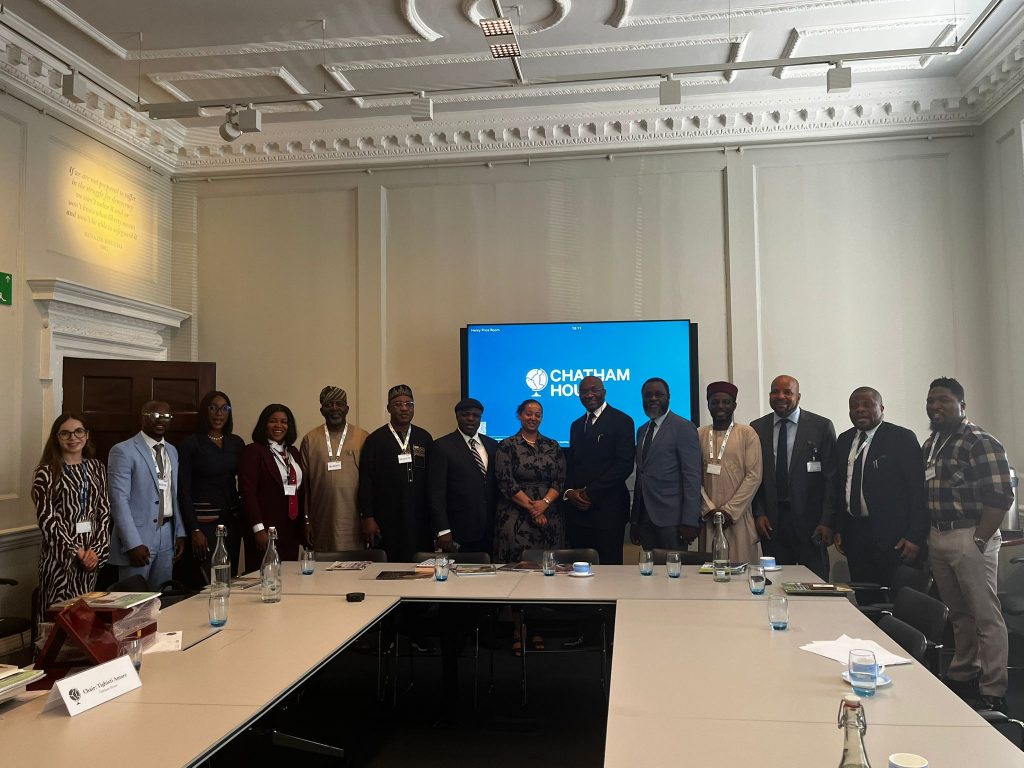
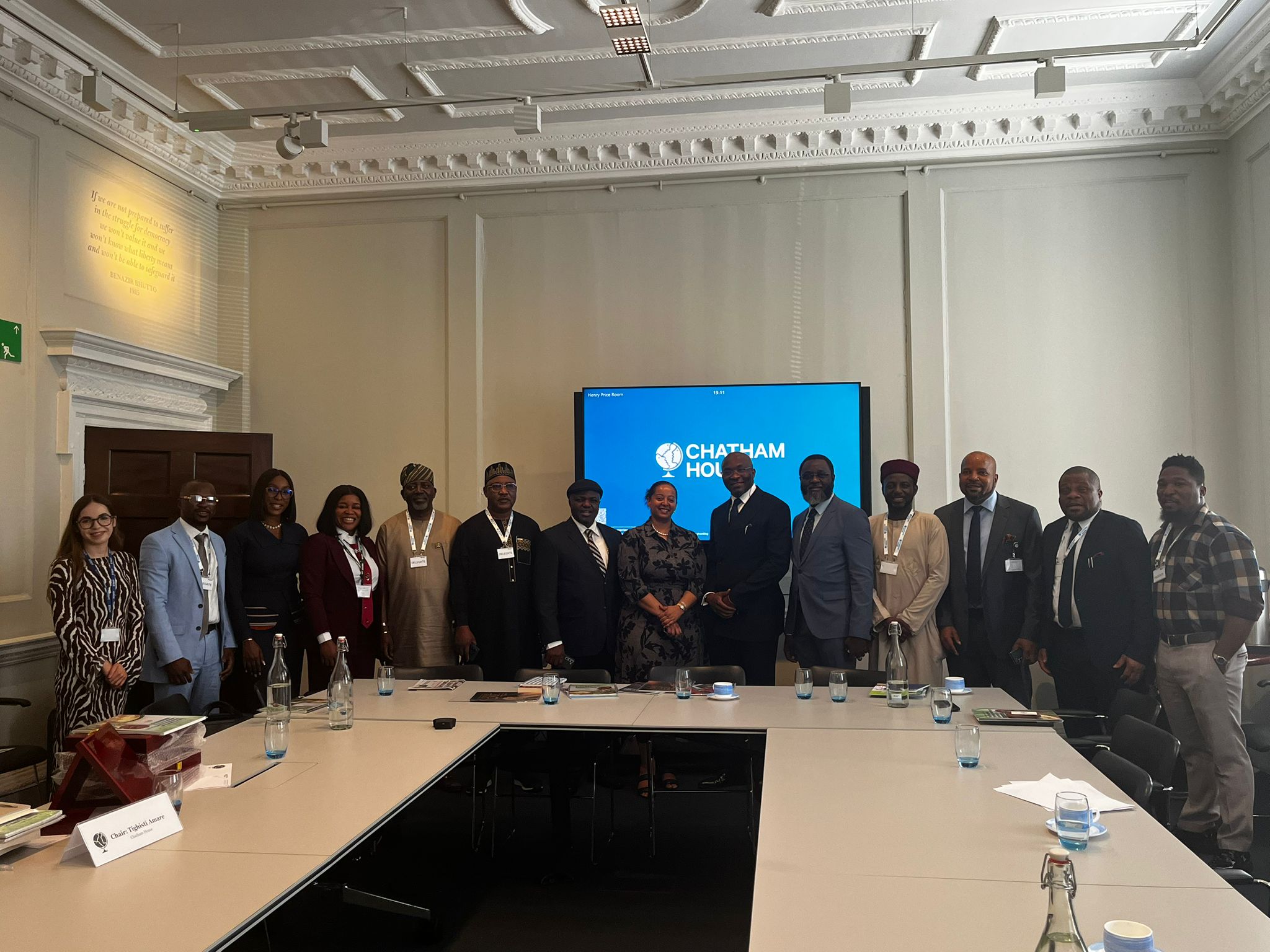
It was a great honour and privilege for me, in my capacity as President of the Abia State Union UK, to participate as a guest at the high-level Roundtable Dialogue hosted at Chatham House, the Royal Institute of International Affairs, London.
The policy dialogue brought together diplomats, academics, policy experts, members of the Nigerian diaspora, development practitioners, and international stakeholders to examine Nigeria’s democratic trajectory ahead of the 2027 General Elections.
The keynote address was delivered by The Rt. Hon. Benjamin Okezie Kalu, PhD, CFR, Deputy Speaker of the House of Representatives, National Assembly of the Federal Republic of Nigeria, on the theme:
“Nigeria’s 2027 Elections: How to Ensure Electoral Integrity Amid a Deepening Security Crisis.”
The session was chaired by Tighisti Amare, Director of the Africa Programme at Chatham House, who welcomed participants and introduced the distinguished speaker, highlighting the importance of constructive international engagement on democratic governance and electoral accountability in Africa’s largest democracy.
Nigeria’s Democratic Journey: Progress Amid Challenges
In his presentation, Deputy Speaker Kalu reflected on Nigeria’s democratic evolution, noting that the country has sustained 27 years of uninterrupted democratic governance despite its vast population, ethnic diversity, and numerous socio-economic and security challenges.
He acknowledged that while Nigeria’s democracy remains imperfect, it continues to evolve through institutional reforms, legislative interventions, and strengthened democratic processes.
According to him, democratic consolidation is not a destination but a continuous journey requiring adaptation, accountability, and public confidence.
Electoral Reforms and the Electoral Act 2026
A major focus of the presentation was the reforms introduced under the Electoral Act 2026, which, according to the Deputy Speaker, were designed to address deficiencies identified during the 2023 General Elections.
Among the key reforms highlighted were:
Mandatory Electronic Transmission of Results
Election results are now required to be electronically transmitted to the Independent National Electoral Commission’s (INEC) Result Viewing Portal (IReV). Significantly, electronically transmitted results are legally admissible as evidence before election tribunals.
Review of Election Declarations
INEC is empowered to review election declarations made under duress or in violation of established electoral procedures within seven days of such declarations.
National Electronic Electoral Register
Election results and accreditation records will be permanently preserved within a national electronic database and may be accessed as certified public documents where necessary.
Enhanced Voter Registration Processes
Continuous voter registration remains open until ninety days before elections. Eligible voters can transfer their registration between locations, replace lost voter cards, and digitally access their voter information.
Political Party Transparency
Political parties are required to maintain verified digital membership registers to promote transparency during party primaries and reduce opportunities for manipulation.
Lessons from the 2023 General Elections
Reflecting on the 2023 elections, Kalu observed that while technological innovations such as the Bimodal Voter Accreditation System (BVAS) represented important progress, technical and procedural shortcomings generated significant controversy.
He disclosed that more than 1,500 election petitions emerged from the 2023 electoral process, demonstrating the need for comprehensive reforms aimed at strengthening public trust and institutional credibility.
Security and Electoral Integrity
Addressing concerns regarding security, the Deputy Speaker rejected assertions that Nigeria’s security situation was deteriorating uncontrollably.
Presenting data to support his position, he pointed to:
- Reduced levels of election-related violence compared with previous electoral cycles;
- Declining insurgency-related fatalities in parts of North-Eastern Nigeria; and
- Increased federal security allocations, rising from approximately ₦2.98 trillion to ₦5.41 trillion between 2023 and 2026.
He further noted that the National Assembly had strengthened legislative oversight and enacted laws aimed at improving national security, including the Cybercrime Act and the Small Arms Control Act.
Security, he stressed, remains a central component of the legislature’s policy priorities.
The Case for State Police
One of the most significant aspects of the Deputy Speaker’s presentation centred on the proposal for the establishment of state police.
Kalu argued that Nigeria’s highly centralised policing structure has become increasingly inadequate in responding promptly to localised security threats.
He maintained that state police would enable security personnel with better local knowledge and community understanding to provide more effective and timely responses.
Acknowledging concerns over possible political abuse, he proposed safeguards including:
- Merit-based recruitment processes;
- Independent oversight mechanisms;
- Constitutional protections; and
- Clearly defined operational standards to guarantee professionalism and accountability.
Protecting the Voting Rights of Internally Displaced Persons
The Deputy Speaker also highlighted legislative efforts aimed at ensuring that citizens displaced by insecurity are not disenfranchised.
He noted that Nigeria became the first African country to domesticate the Kampala Convention on Internally Displaced Persons, demonstrating a commitment to safeguarding the political rights of vulnerable populations.
Question-and-Answer Session
The interactive session provided participants with the opportunity to engage directly with the Deputy Speaker on pressing concerns surrounding Nigeria’s democratic future.
Declining Public Trust and Voter Turnout
Participants observed the steady decline in voter participation over successive election cycles:
- Approximately 48.7 per cent in 2015;
- Around 38 per cent in 2019; and
- Less than 26 per cent in 2023.
Questions were raised regarding strategies for restoring public confidence in the electoral process.
In response, Kalu acknowledged that declining voter turnout reflected diminishing trust in democratic institutions.
He explained that lawmakers had carefully studied the grievances contained in the over 1,500 election petitions filed after the 2023 elections and had incorporated lessons learned into the Electoral Act 2026.
The objective, he said, was to ensure that votes genuinely count through enforceable electronic transmission procedures and strengthened accountability mechanisms.
Election Offences Commission
Kalu also discussed ongoing proposals for the establishment of an independent Election Offences Commission.
The proposed body would investigate and prosecute electoral offences independently of INEC and is intended to serve as a deterrent against electoral fraud, voter intimidation, and other forms of malpractice.
Security and Accountability Ahead of 2027
Participants sought assurances regarding measures to prevent vote suppression, electoral violence, and the tampering of election materials during the 2027 elections.
The Deputy Speaker reiterated that legal safeguards and security reforms were being strengthened and emphasised that citizens displaced by violence should not lose their constitutional right to participate in democratic processes.
Diaspora Voting, Youth and Women’s Inclusion
Questions were equally raised concerning diaspora voting rights, increased political participation by women, and broader youth inclusion in governance.
Kalu acknowledged these concerns and affirmed that constitutional and legislative conversations remain ongoing to advance greater inclusivity within Nigeria’s democratic framework.
The Overall Message
The overarching message from the Roundtable Dialogue was clear: Nigeria is not a failing democracy but rather a democracy in transition, learning from its shortcomings and pursuing reforms to strengthen its institutions.
Deputy Speaker Benjamin Kalu maintained that:
- Electoral deficiencies identified during the 2023 elections are being addressed through the Electoral Act 2026;
- Security challenges, though significant, are receiving sustained legislative and institutional attention;
- Proposed initiatives such as state police, stronger electoral laws, and voter protection mechanisms have the potential to enhance the credibility of future elections; and
- Nigeria remains open to constructive criticism and international collaboration while retaining ownership of its democratic journey and solutions.
The session concluded on a note of cautious optimism, with the Deputy Speaker expressing confidence that Nigeria’s democratic institutions are evolving and that the 2027 General Elections will be more transparent, secure, accountable, and inclusive than previous electoral exercises.
As discussions around Nigeria’s democratic future continue both at home and abroad, forums such as this Chatham House Roundtable provide valuable opportunities for honest reflection, policy exchange, and collaborative engagement aimed at strengthening democratic governance.
Mazi Godson Azu is a UK-based International Relations and Political Affairs expert, Public Affairs Commentator, Author, and Political Consultant. He is the Chief Executive Officer of CaterandMerger Consult UK and Convener of the Annual London Political Summit and Awards.