By Sonny Iroche
August 12, 2026
For centuries, plagiarism has been regarded principally as an ethical and intellectual offence: the dishonest appropriation of another person’s words, ideas or creative work and presenting them as one’s own. In universities, journalism, publishing and professional life, it can destroy reputations and terminate careers.
Artificial Intelligence is now adding an entirely new dimension to this age-old problem. The proliferation of Generative AI tools such as ChatGPT, Claude, Gemini and others has dramatically changed how we research, write and communicate. Used responsibly, these technologies can enhance human productivity, improve grammar, interrogate ideas and accelerate research. But they also create an unprecedented temptation: copying AI-generated material wholesale and presenting it as original intellectual work.
Recent developments in AI provenance technology should therefore serve as a warning.
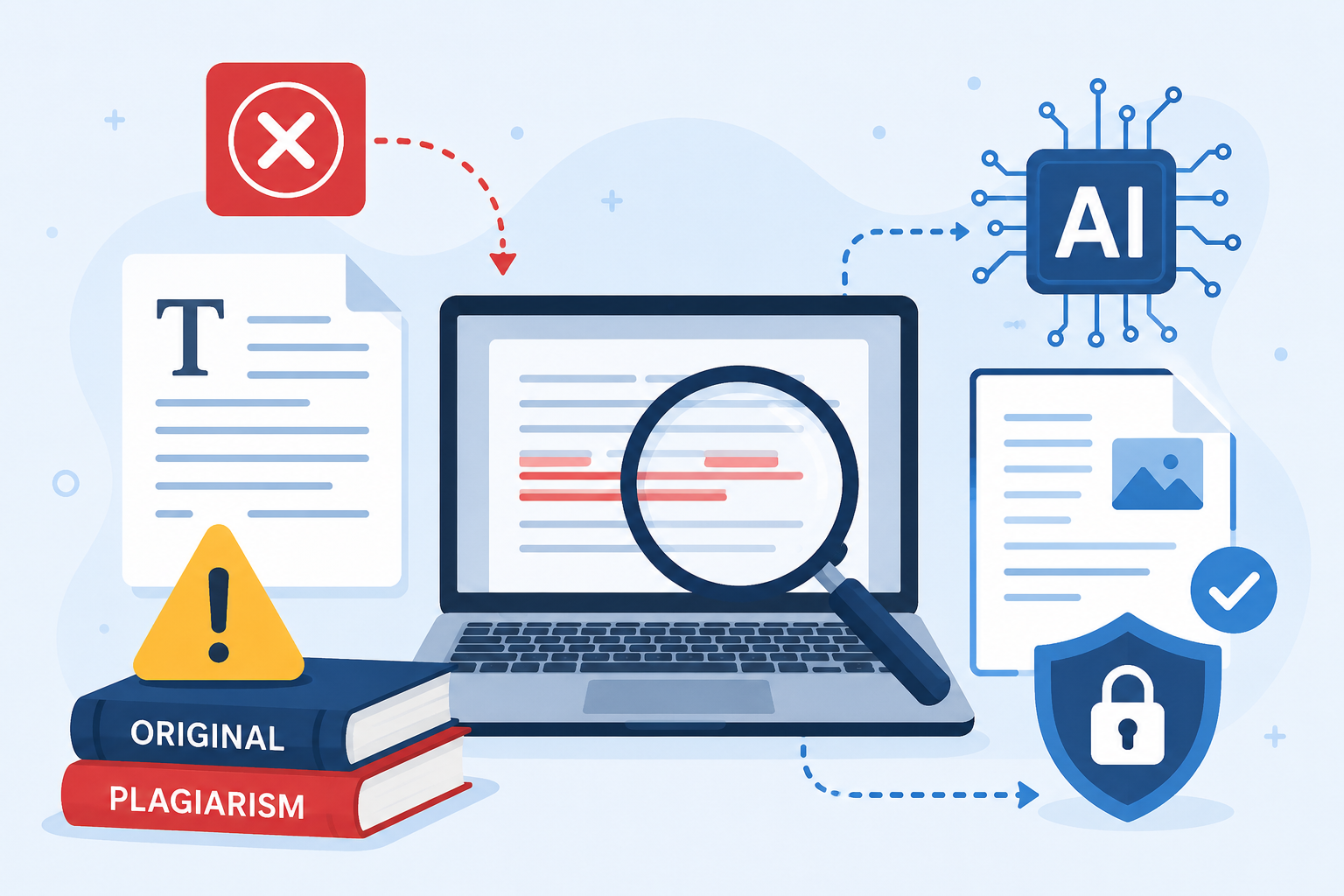
Anthropic, the developer of Claude, has reportedly introduced mechanisms for marking AI-processed content, including machine-readable signals in text and provenance information for generated files. Whether particular watermarking technologies ultimately become universal standards is less important than the direction in which the industry is moving: the provenance of digital content is becoming increasingly traceable.
This could profoundly change the consequences of plagiarism. Previously, someone who copied material could attempt to disguise the plagiarism by changing a few sentences or rearranging paragraphs. Universities and publishers responded with plagiarism-detection software. Generative AI subsequently complicated matters because conventional AI detectors are probabilistic and can wrongly classify human writing as machine-generated.
The next generation of provenance technologies could be different. Instead of merely guessing whether AI generated something, digital systems may increasingly carry information about where content originated, how it was created and whether artificial intelligence participated in its production.
This raises an important distinction. Using AI is not plagiarism.
I use Artificial Intelligence, advocate its responsible adoption and train boards and senior executives on its opportunities, governance and risks. AI can legitimately function as a research assistant, editor, brainstorming partner or analytical tool. Asking an AI system to improve grammar does not suddenly transfer ownership of your original ideas to the machine.
The ethical problem arises when someone takes words, arguments, research or creative material that he did not originate and knowingly presents them as entirely his own.
There is an equally serious problem when AI itself reproduces unattributed material from another source and a user publishes it without verification. “The AI gave it to me” will increasingly become an inadequate defence. Authors, academics, journalists and corporate executives retain responsibility for what appears under their names.
The consequences can be enormous. For students, plagiarism can mean failed examinations, suspension or withdrawal of qualifications. For academics, it can mean retraction of publications and destruction of carefully built reputations. For journalists and authors, it can result in dismissal, litigation and loss of public trust. For corporate executives and directors, unattributed or fabricated material appearing in official documents can create reputational, governance and potentially legal consequences.
AI therefore requires us to rediscover an old-fashioned virtue: intellectual honesty.
Organisations must develop clear policies distinguishing acceptable AI assistance from unacceptable misrepresentation. Some Universities teach students how to cite AI-assisted research appropriately rather than pretending the technology does not exist. Newsrooms should establish disclosure standards. Corporate boards should insist that consequential AI-generated material be verified before publication.
There is another danger. We must not allow AI detection to become a digital witch-hunt.
No student, employee or author should be condemned merely because an algorithm declares that his writing “looks like AI.” Human beings sometimes write like machines, and machines increasingly write like human beings. Probabilistic detection is not proof of misconduct.
The appropriate standard must therefore remain evidence, transparency and due process. Ironically, Artificial Intelligence may eventually make plagiarism more difficult rather than easier. Technologies such as cryptographic provenance, content credentials and machine-readable markers could create increasingly persistent records of how digital material was created and modified.
The lesson is straightforward.
Use AI. Learn AI. Embrace AI. Let it sharpen your thinking and increase your productivity. But never surrender your intellectual integrity to it.
In the age of Artificial Intelligence, originality will not become less valuable. It will become more valuable.
And plagiarism, which once depended upon the hope that nobody would discover the original source, may increasingly confront a rather uncomfortable technological reality. The machines may remember where the words came from.
About the Author
Sonny Iroche is an AI strategist, Founder and CEO of GenAI Learning Concepts Ltd, and a member of Nigeria’s National Artificial Intelligence Strategy Committee. He is involved in AI governance, responsible AI adoption and executive education, with particular emphasis on helping boards and senior management understand the opportunities, risks and ethical implications of Artificial Intelligence.