By Mazi Godson Azu
The 11th Annual London Political Summit and Awards (LPSA) 2026 concluded on Wednesday, 14 October 2026, following three days of high-level engagements, parliamentary dialogue, diplomatic exchanges, business networking and international award presentations in London. Held in honour of the late Rt. Hon. Raila Amolo Odinga, affectionately known as Baba, the Summit culminated in an International Awards Gala Dinner Reception that celebrated outstanding leadership, democratic values, peacebuilding, good governance and sustainable development.
The 2026 edition carried special significance as it coincided with the first anniversary of the passing of the Summit’s late Global Grand Patron, Raila Odinga, whose enduring commitment to Pan-Africanism, democratic governance, political reconciliation and regional cooperation remains an inspiration to political leaders, diplomats, business stakeholders and civil society across Africa and beyond.
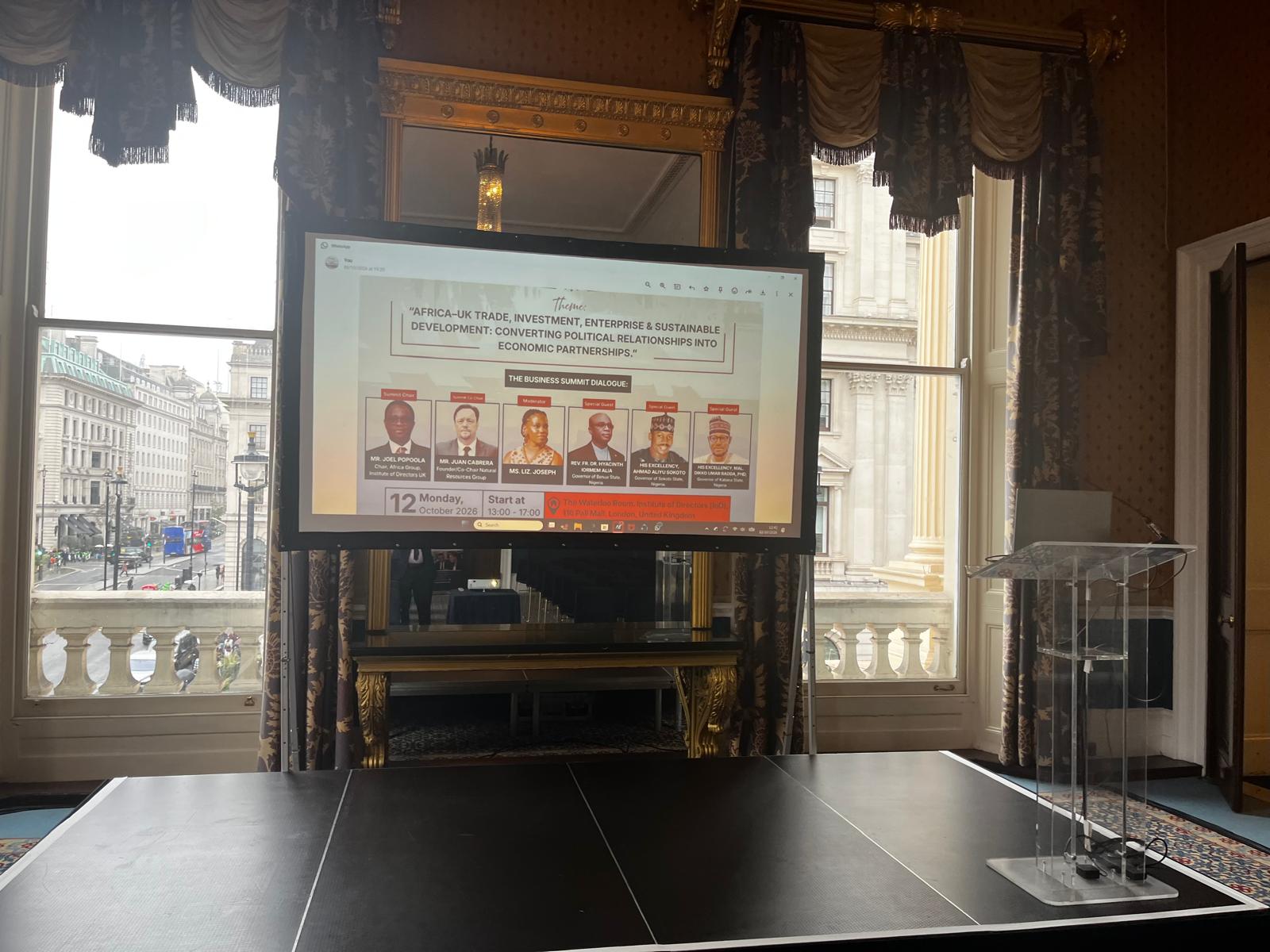
The three-day programme commenced with a Business Dialogue at the Institute of Directors, London, on 12 October, followed by a special parliamentary session hosted by the Rt. Hon. Oliver Ryan MP, Member of Parliament for Burnley, at the Special Committee Room, House of Commons, Westminster Parliament, on 13 October. The programme concluded with the International Awards Gala Dinner Reception at the Copthorne Tara Hotel, London Kensington, on 14 October.
Across the three principal engagements, the Summit provided a platform for reflection on Africa’s political and economic trajectory, the importance of democratic institutions, the relationship between peace and trade, and the need for sustained collaboration among governments, diplomatic missions, the private sector, traditional institutions and development partners.
A Solemn Tribute to the Legacy of Raila Odinga
A defining feature of this year’s Summit was the collective tribute paid to the late Rt. Hon. Raila Amolo Odinga. At each of the principal sessions, participants observed a minute of silence in his honour, recognising his historic contribution to democratic struggles, political reconciliation, Pan-African cooperation and the pursuit of peace across the continent.
The parliamentary session at the House of Commons was particularly significant. The tribute was led by the Rt. Hon. Oliver Ryan MP and the Rt. Hon. Afzal Khan MP, alongside diplomatic representatives, political leaders, government officials, traditional rulers, academics, business leaders and other distinguished participants.
Among those present were the High Commissioner of The Gambia to the United Kingdom; representatives of the Kenya High Commission, including Ambassador Irene Maswan, Deputy High Commissioner of Kenya to the United Kingdom and Head of Chancery Mr. Miflo; representatives of the governments of Sokoto and Benue States in Nigeria; HRH Oba Dr. Olusegun Aderemi JP; HRM Obongnwonne Maria E.; Professor Kishan Devani BEM; and Ambassador Dr. Josephine Ojiambo, alongside other dignitaries from Africa, Asia and the United Kingdom.
The gathering reflected the international reach of Raila Odinga’s political legacy and the continuing relevance of his advocacy for democratic participation, peaceful political transitions, dialogue and reconciliation.
Following the delivery of remarks by the Rt. Hon. Oliver Ryan MP, who welcomed participants, the Rt. Hon. Afzal Khan MP delivered the opening address. Further speeches were presented by the Gambian High Commission, representatives of the governments of Benue and Sokoto States, the Head of Chancery at the Ghana High Commission, and the Deputy High Commissioner of Kenya, who delivered remarks on behalf of the Kenyan High Commissioner, the diplomatic mission and the Government of Kenya.
In a particularly moving moment, the Deputy High Commissioner of Kenya proposed a minute of applause in honour of the late Raila Odinga. The proposal received an enthusiastic response from the full audience, creating a powerful expression of collective respect for a statesman whose influence extended beyond Kenya’s borders.
A Tribute by Amb. Dr. Josephine Ojiambo;
Raila Amolo Odinga: A Life Given to Parliamentary DemocracyA tribute for the 11th Annual London Political Summit and Awards, October 2026
As we approach the first anniversary of his passing on 15 October 2025, Africa remembers Raila Amolo Odinga, Prime Minister of Kenya from 2008 to 2013 and Global Grand Patron of the London Political Summit and Awards. His life offers a lesson in what it takes to build, defend and use a parliamentary democracy, and it is fitting that we recall it in a city that gave the world the Westminster tradition.
An engineer who chose public service
Trained as a mechanical engineer in Magdeburg, in what was then East Germany, he brought to politics an engineer’s instinct for building things that last. Institutions, he understood, are the structures on which a nation’s freedoms rest, and they need constant maintenance.
Defending democracy at personal cost
In the one-party era, he paid for his convictions with years of detention without trial, beginning in 1982. He emerged still committed to peaceful, constitutional change. He joined others in the movement for the restoration of multiparty politics, including the Forum for the Restoration of Democracy, and in 1991 Kenya returned to multiparty democracy. Few reforms in the country’s history had been so hard won.
Two decades in Parliament
From 1992 to 2013 he represented Langata in the National Assembly, serving as Minister for Energy and later as Minister for Roads, Public Works and Housing. In 2002, his public endorsement of Mwai Kibaki helped bring about a historic democratic transfer of power. He understood that a healthy democracy is tested not only by how leaders win, but by how they hand over, and how opponents learn to work together.
Prime Minister and the power of compromise
After the disputed election of 2007 and the violence that followed, a settlement mediated by Kofi Annan brought him into government. On 17 April 2008 he became Prime Minister in the Grand Coalition with President Kibaki. In a country that had stood close to the brink, power-sharing restored stability and made room for reform. The result was the 2010 Constitution, which devolved power, strengthened institutions and set out the rights of citizens. It remains one of the most significant constitutional advances in modern Kenyan history.
Dialogue after rivalry
He ran for the presidency five times and never held the office, yet he never turned against the system that denied it to him. In 2018, after another bitter election dispute, he joined President Uhuru Kenyatta in a public handshake and a commitment to reconciliation. He believed, and showed, that political rivals can be adversaries without becoming enemies.
A Pan-African statesman
Beyond Kenya, he served as the African Union’s High Representative for Infrastructure Development from 2018, promoting the roads, railways and energy links that connect African economies and give the African Continental Free Trade Area its physical foundation. In 2025 he sought the chairmanship of the African Union Commission. African leaders, and the Chair of the Commission who won that contest, described him as a champion of democracy. The principle of Trade by Peace, at the heart of this Summit, reflects the same conviction: that peace and open markets are partners in Africa’s future.
What his example teaches parliamentary democracy
First, that opposition is not disloyalty. A parliament is strongest when dissent has a lawful voice, and he spent much of his career as that voice. Second, that institutions must outlast individuals, which is why constitutional reform mattered to him as much as winning office. Third, that dialogue is not weakness. Twice, at moments of danger, he chose negotiation over confrontation. Fourth, that democracy, peace and prosperity are bound together: investors, farmers, students and entrepreneurs all need the stability that accountable government provides.
Raila Odinga never held the presidency, yet few leaders in modern Africa did more to strengthen the system through which presidents are chosen, held to account and succeeded. That is the legacy we honour tonight: a democrat who believed in Parliament, in the Constitution and in the patient work of peace.
Three Days of Dialogue on Peace, Governance and Development
The Summit’s programme was designed to bring together political leadership, diplomatic engagement, business cooperation and institutional dialogue within a shared framework of sustainable development.
The Business Dialogue at the Institute of Directors on 12 October provided an opportunity for participants to engage on trade, investment, institutional partnerships and the role of political stability in creating an enabling environment for economic growth.
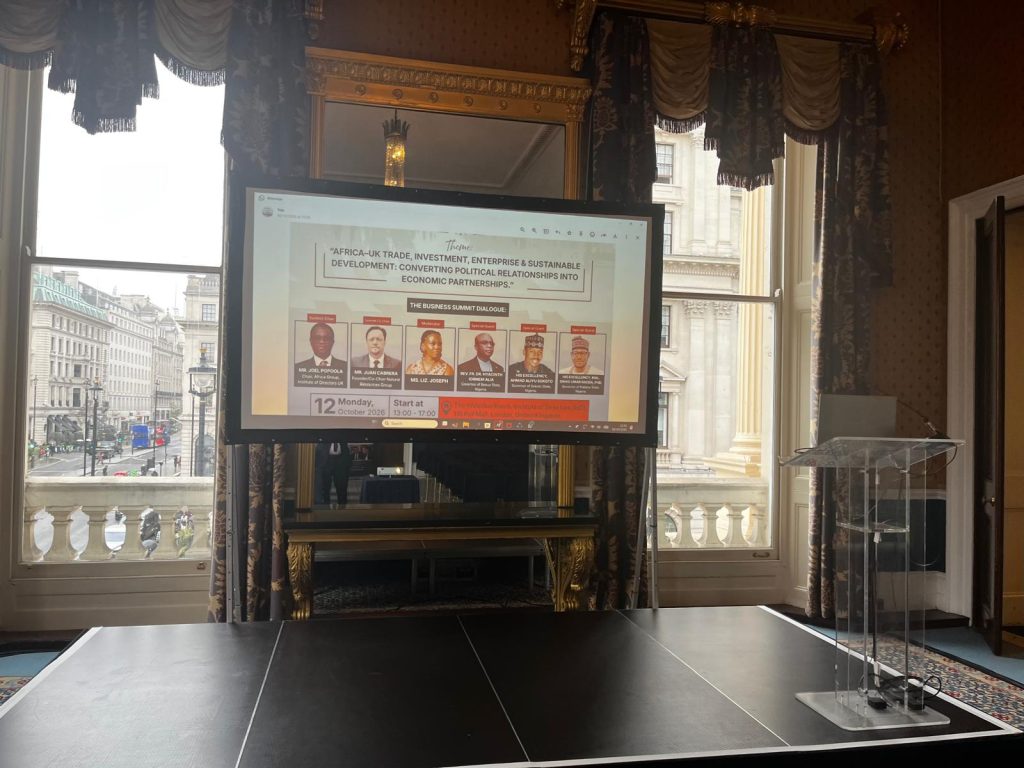
At the 11th LPSA Business Dialogue Session at the Institute of Directors London.
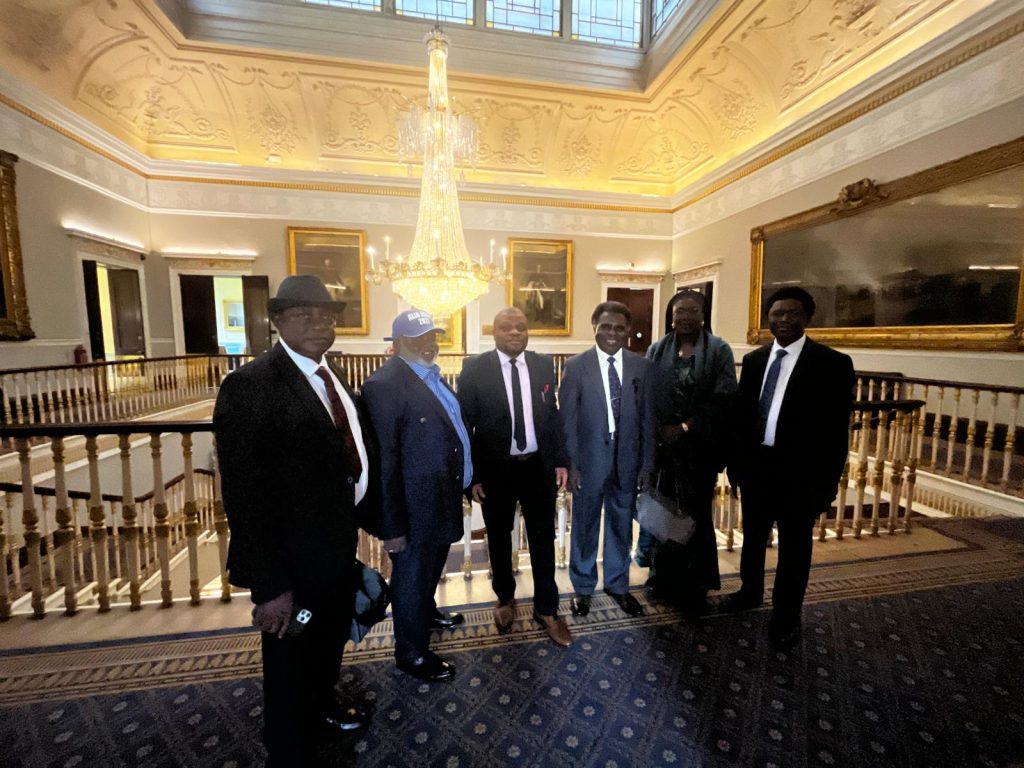
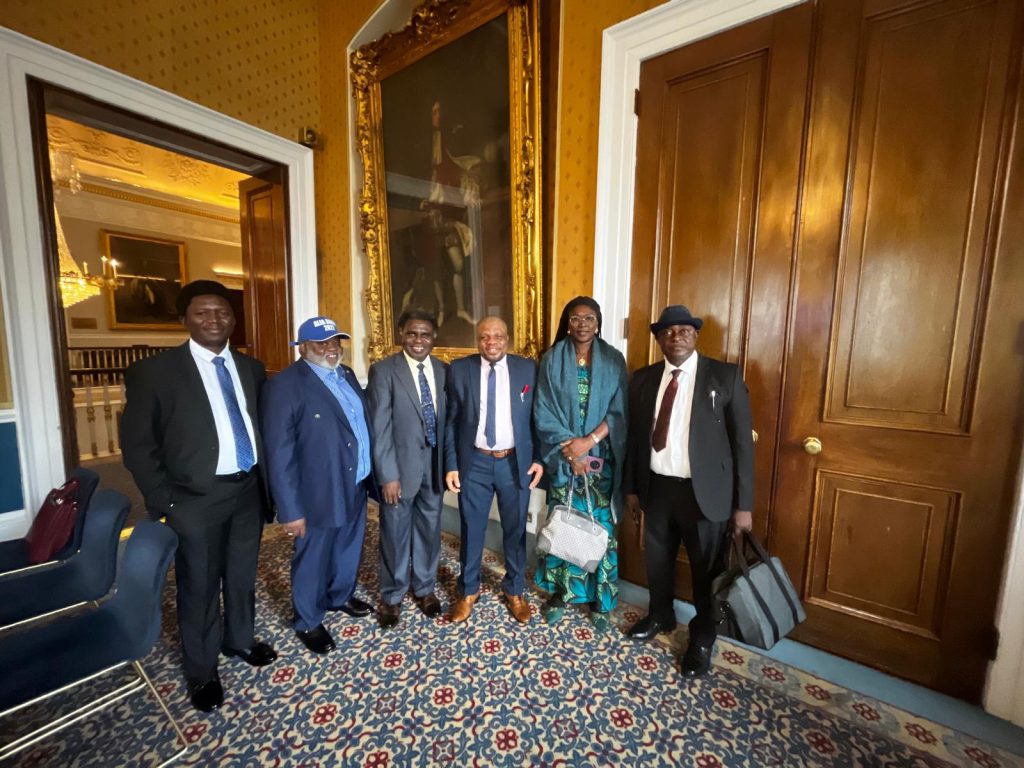
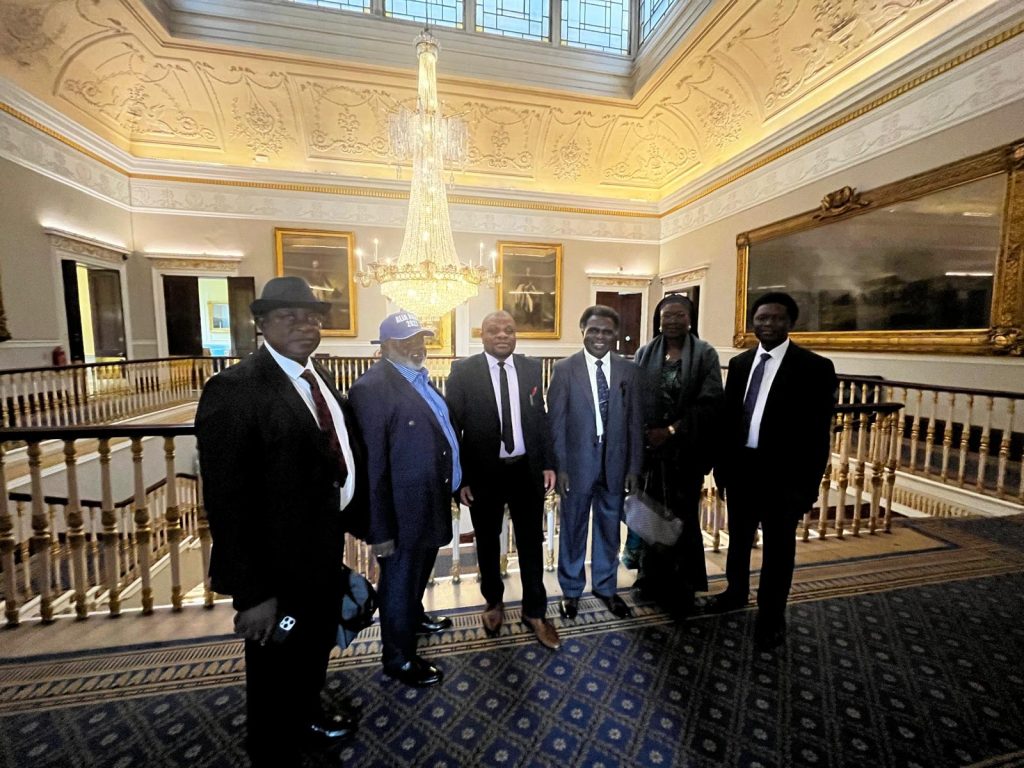
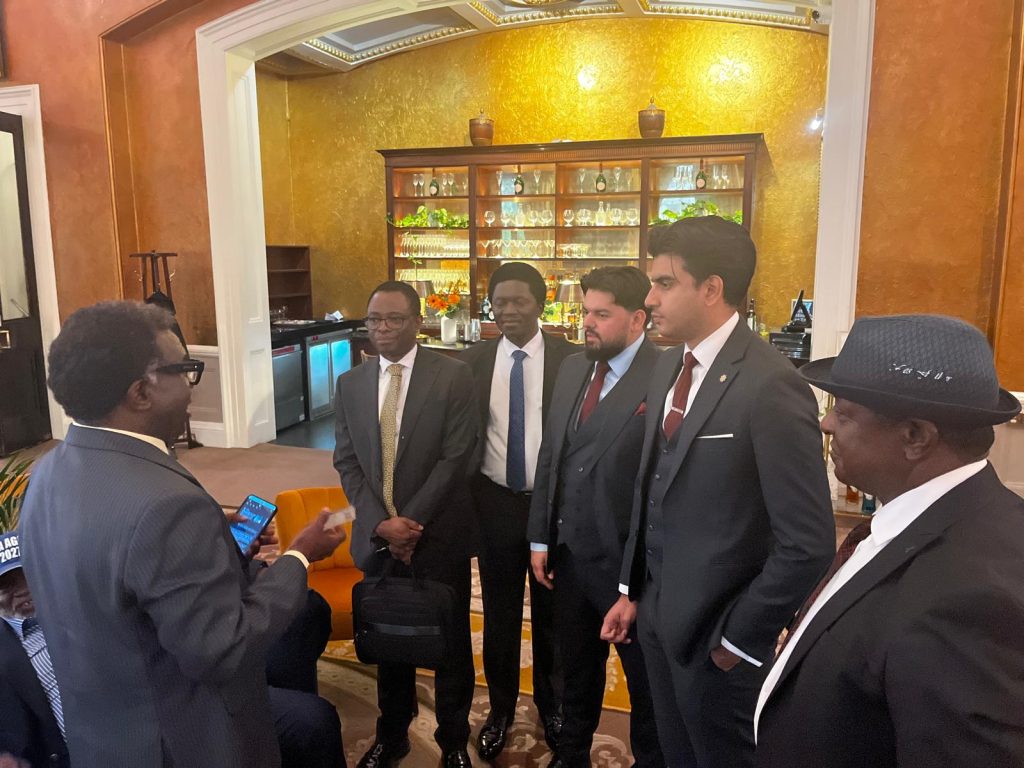
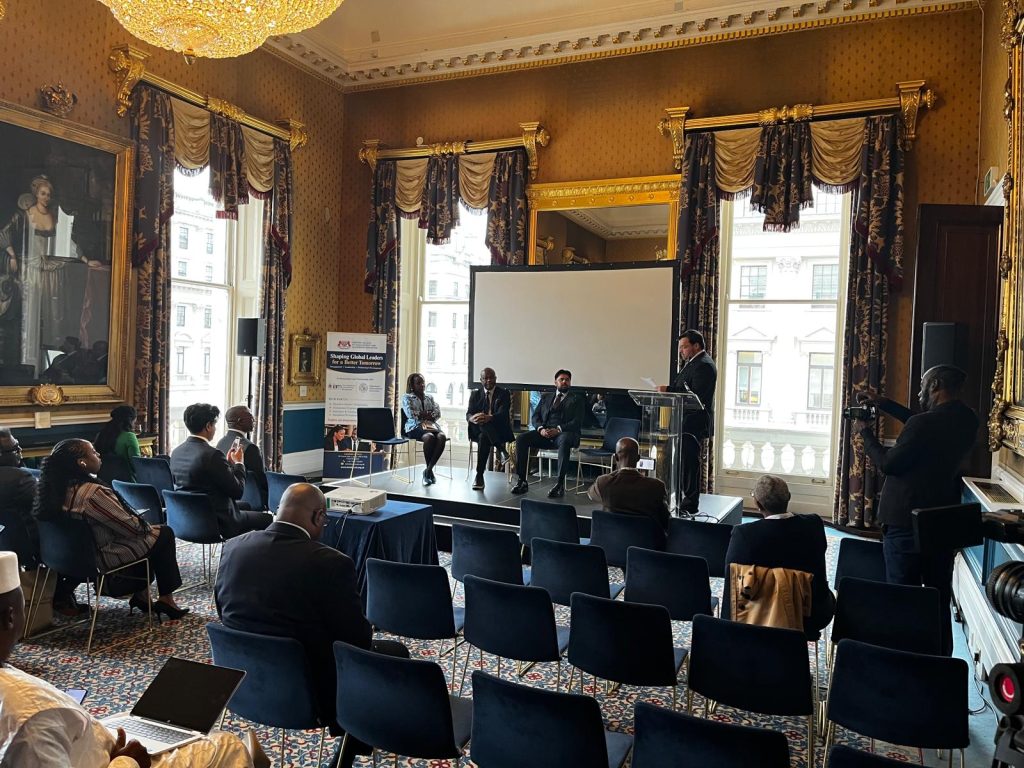

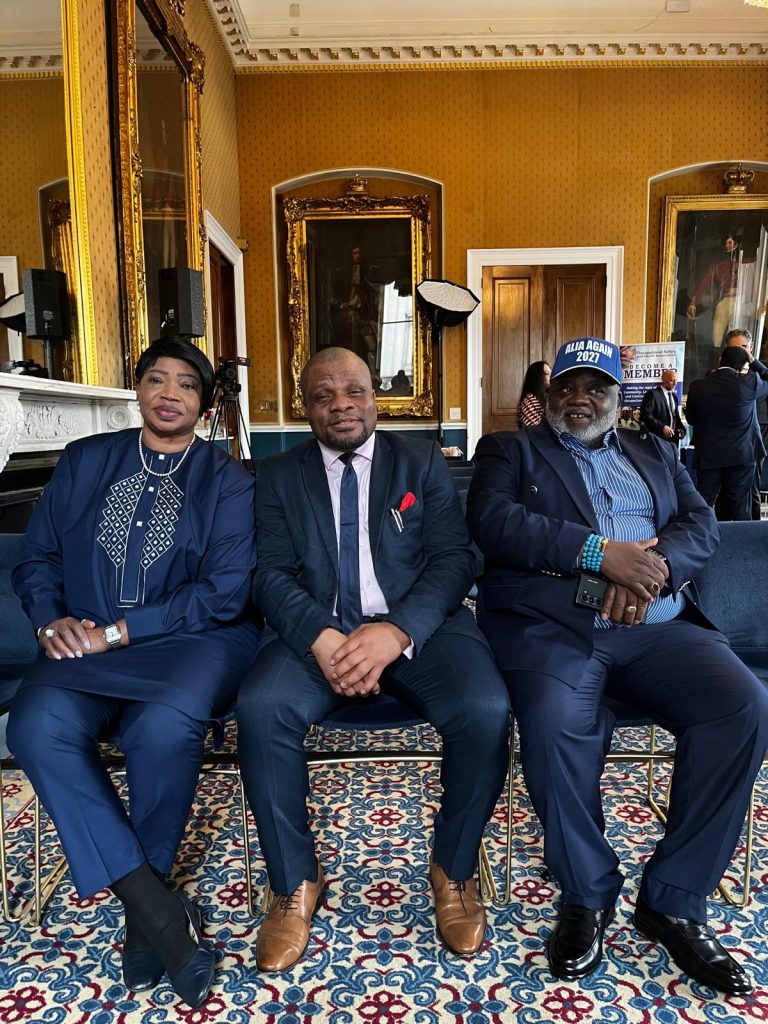
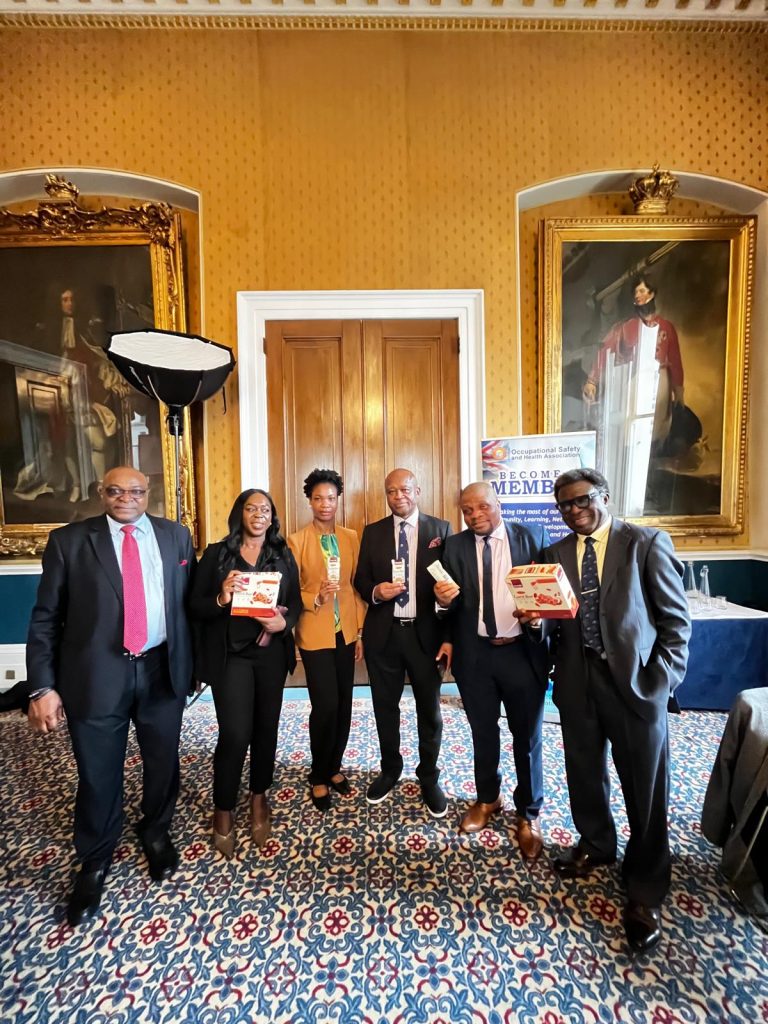

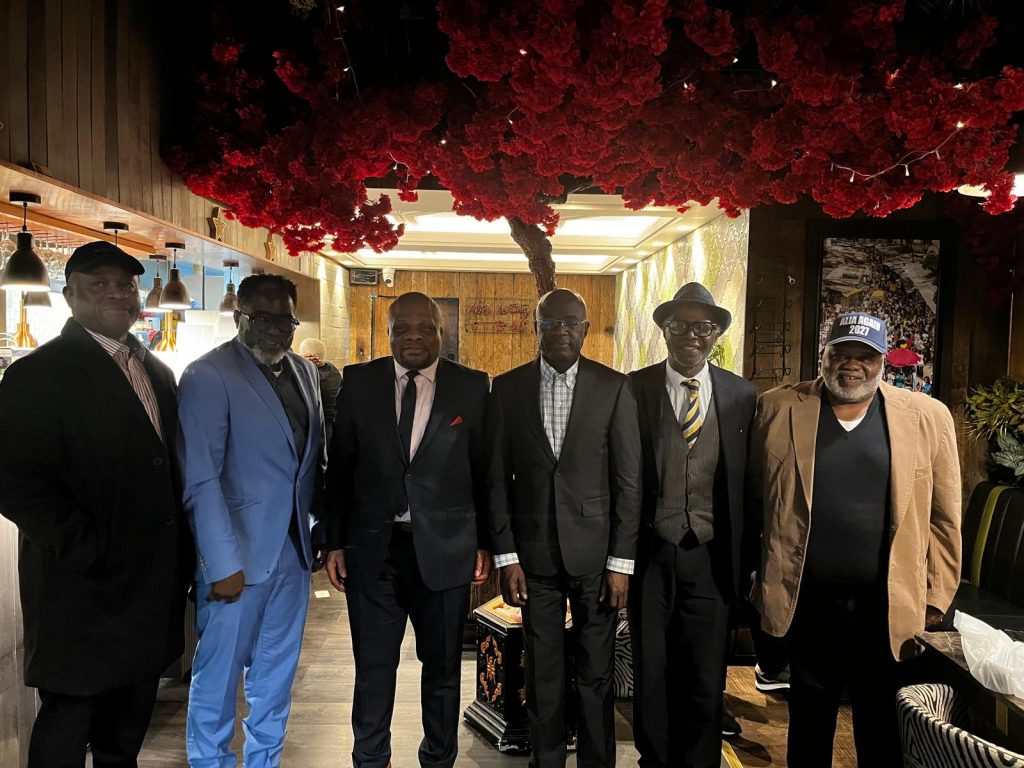
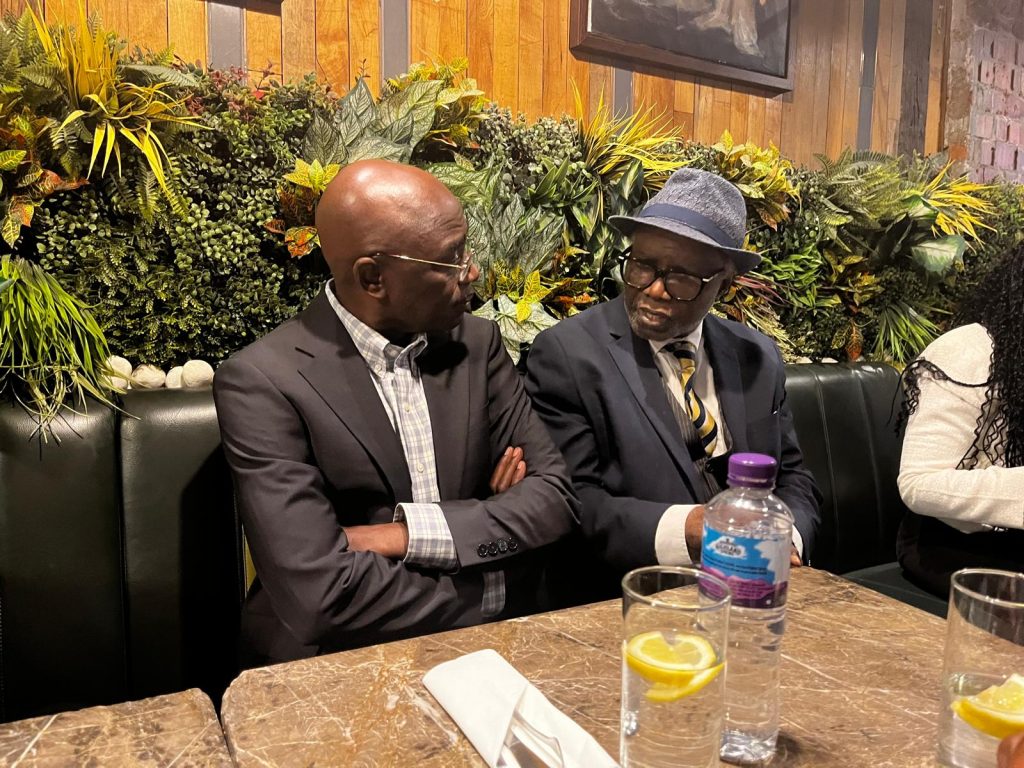
After the Business Dialogue, His Excellency Rev. Fr. Dr. Alia the Executive Governor of Benue State, hosted LPSA team to Private Dinner.
The parliamentary session at Westminster Parliament on 13 October extended the conversation into the democratic and legislative sphere. It offered a setting for reflection on the relationship between political accountability, representative institutions, good governance and international cooperation.

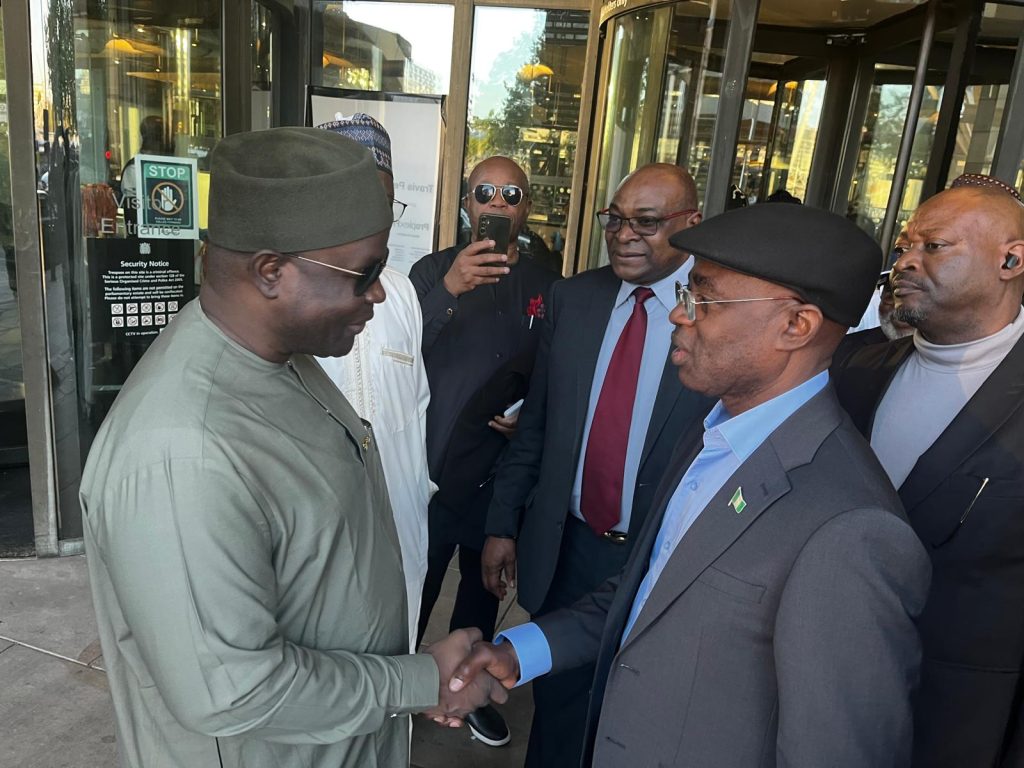
His Excellency Rev. Fr. Dr. Alia the Governor of Benue State and Deputy Governor of Sokoto State at the House of Parliament, during the LPSA Parliamentary Session.

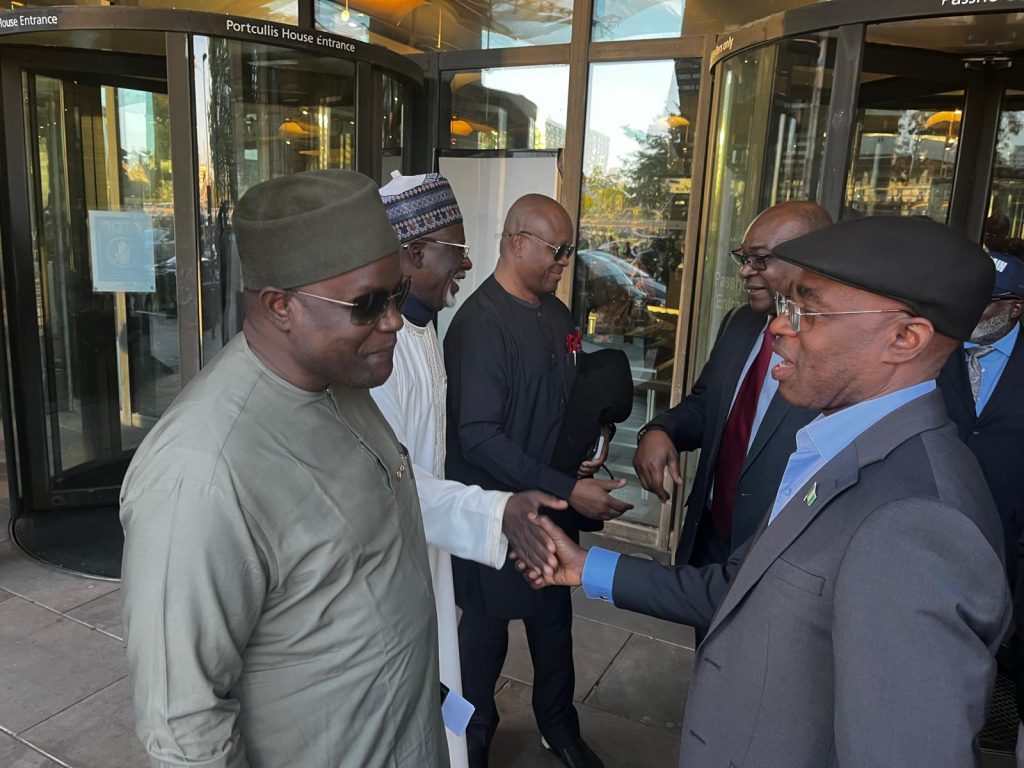

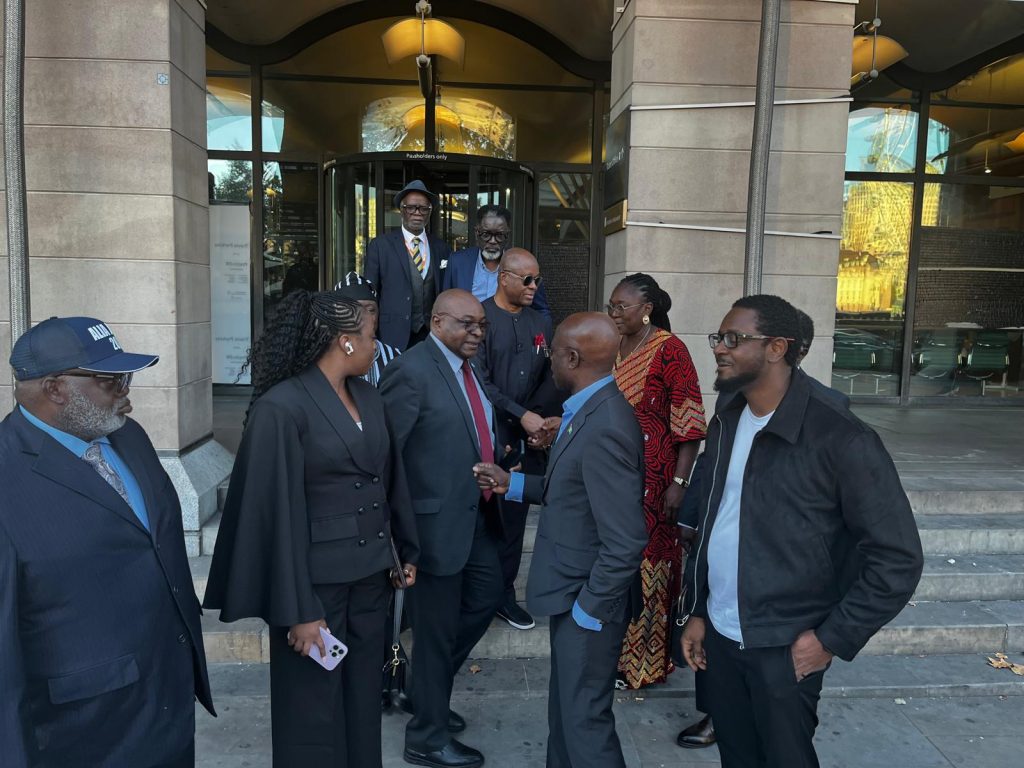
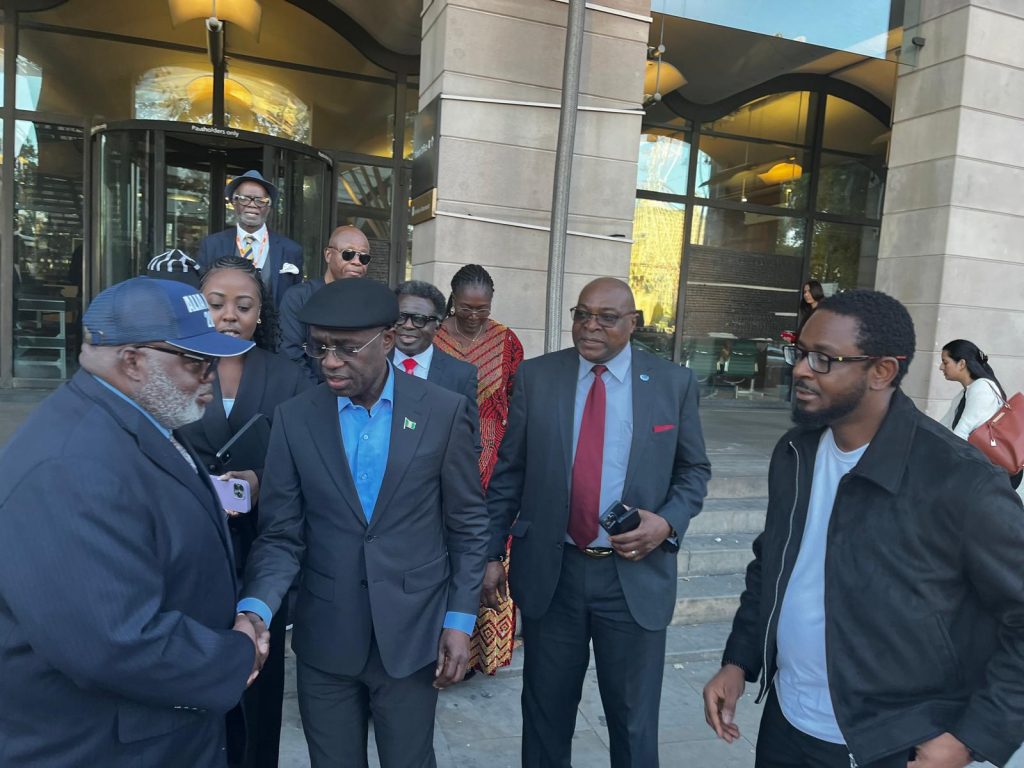
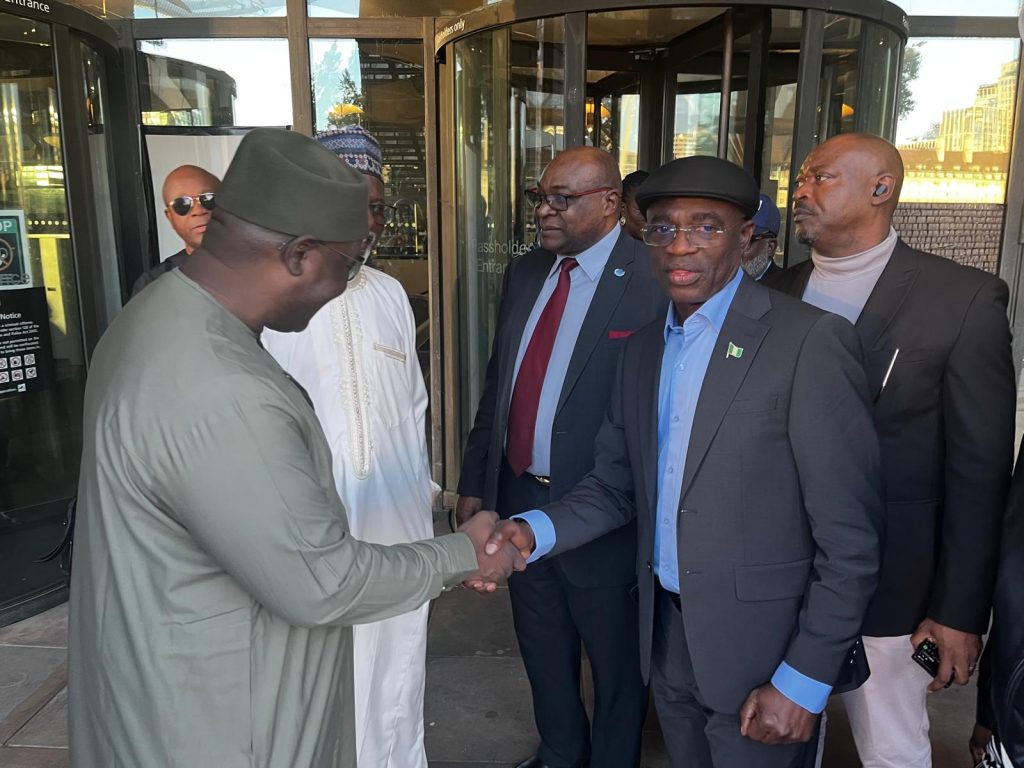

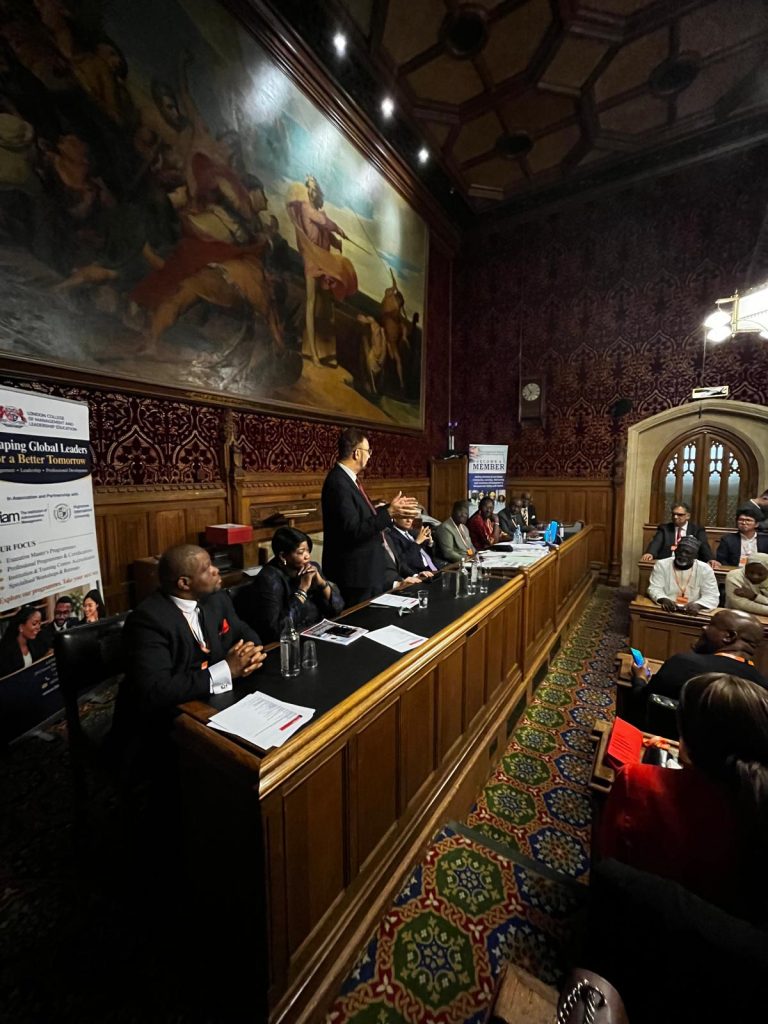
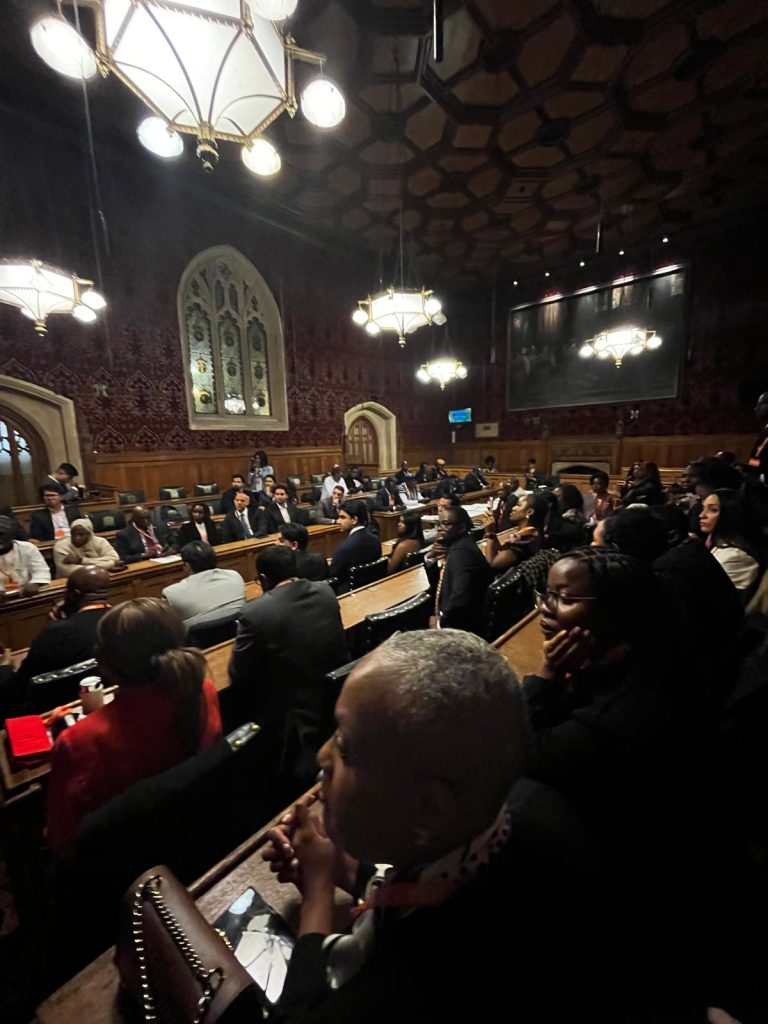
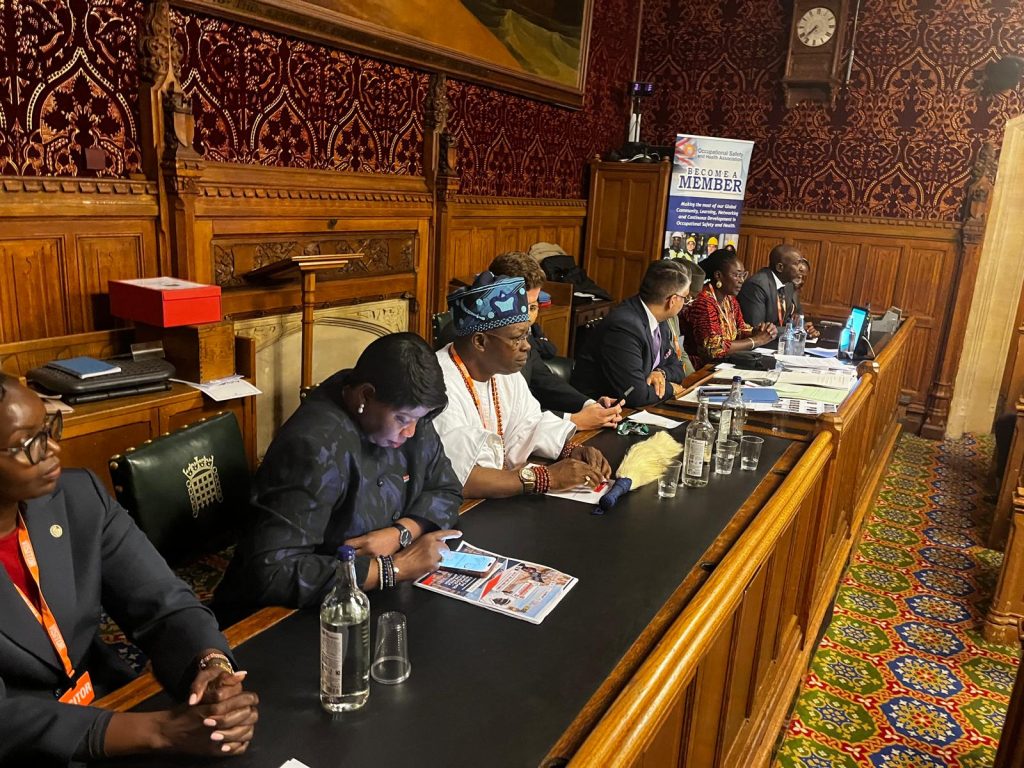

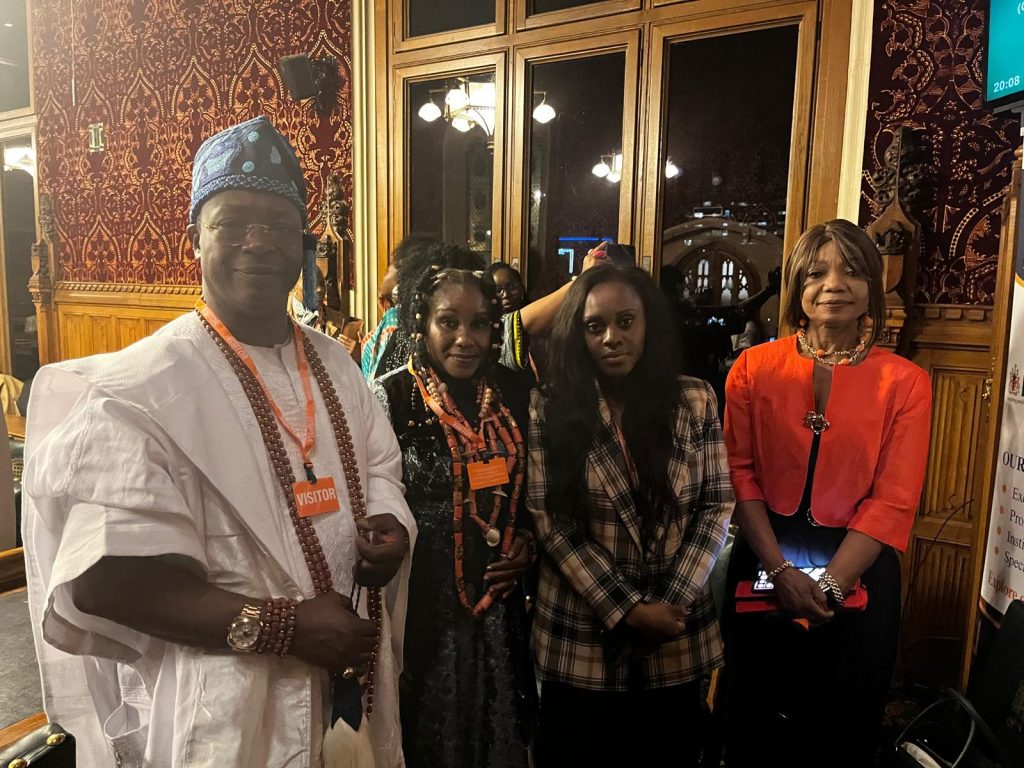
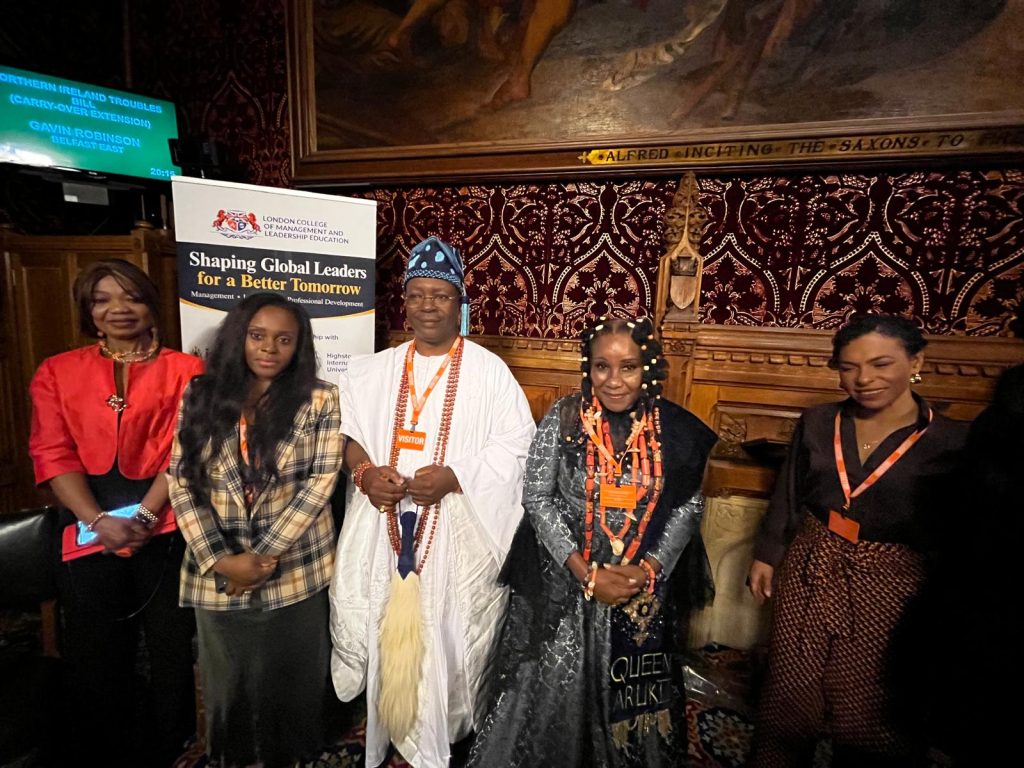
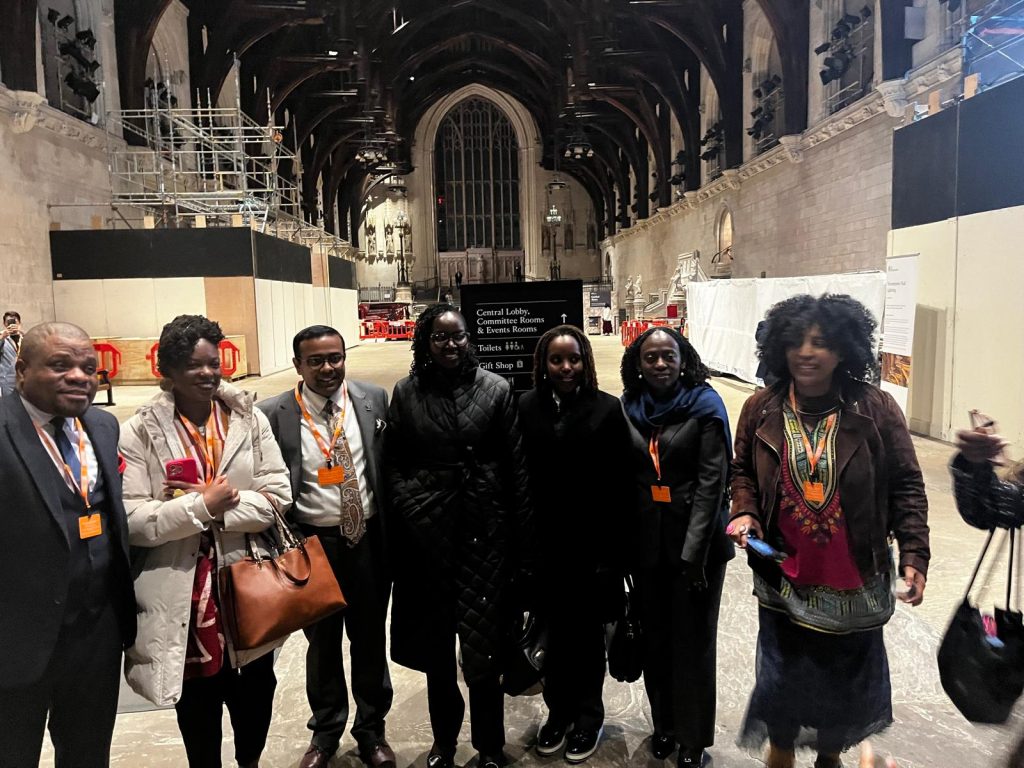
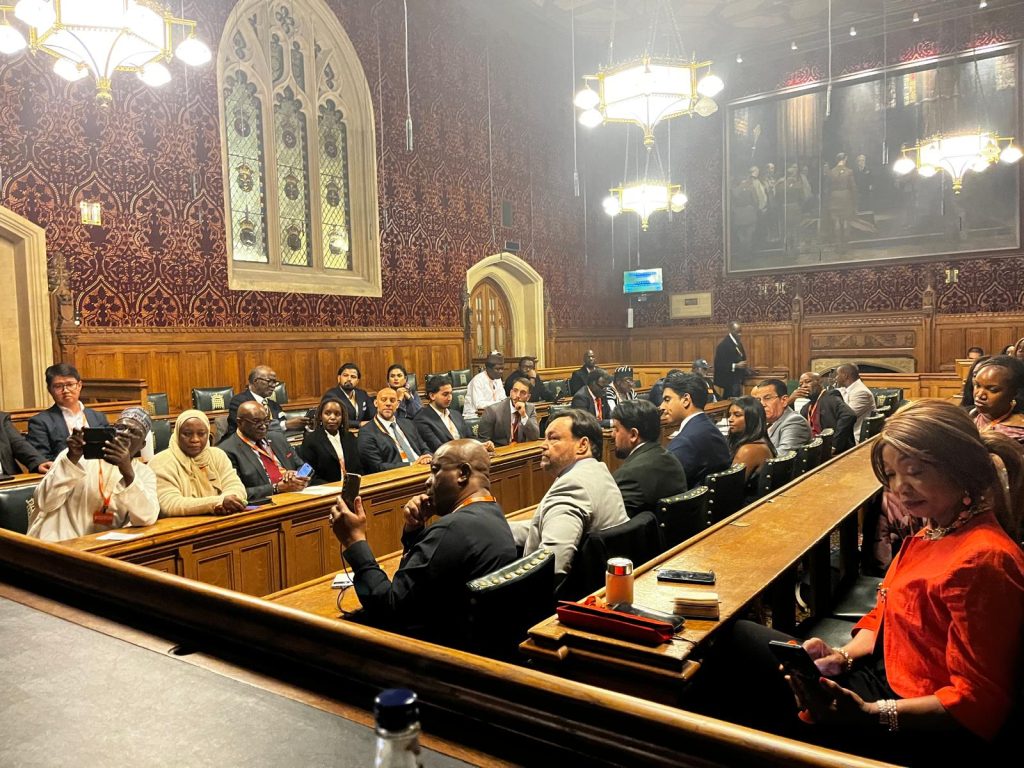

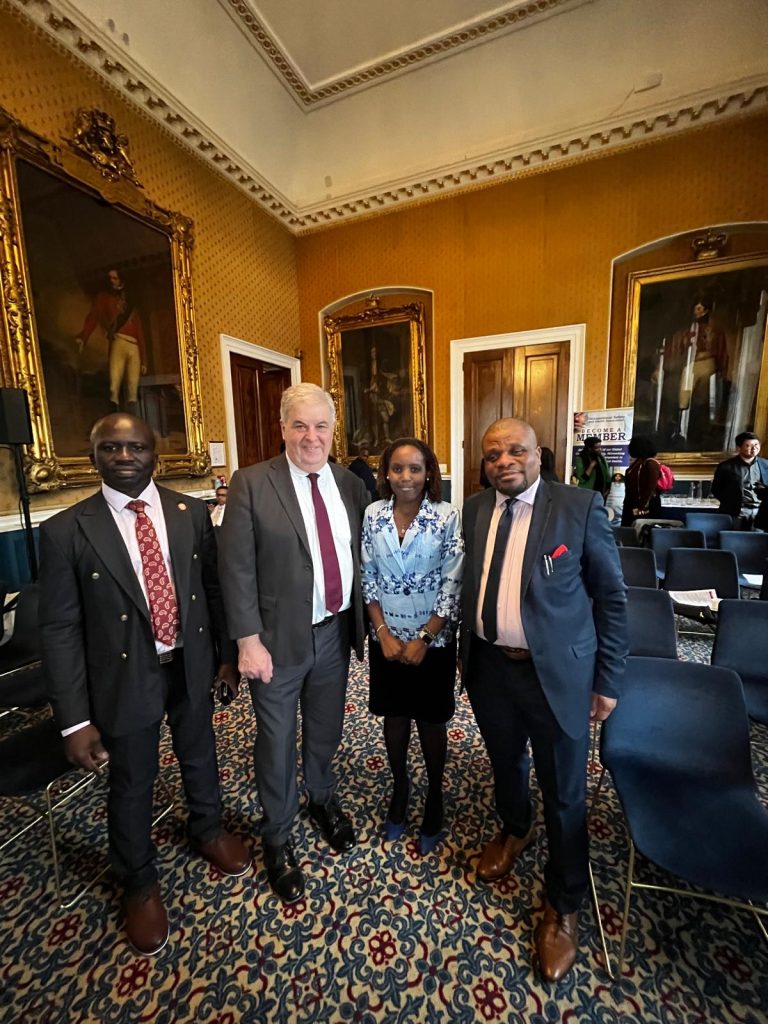
At the Parliamentary Session in the Special Select Committee Room 10, UK House of Commons
The concluding awards gala on 14 October brought together many of the Summit’s distinguished guests, award recipients, diplomatic representatives, government delegates, community leaders and partners to celebrate achievements in public service, diplomacy, peacebuilding, education, entrepreneurship and social development.

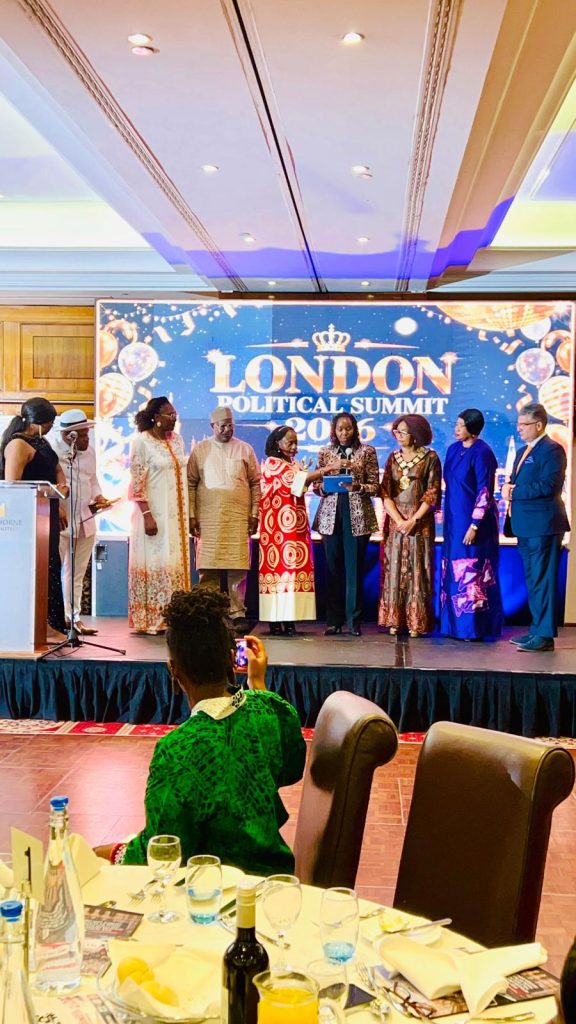
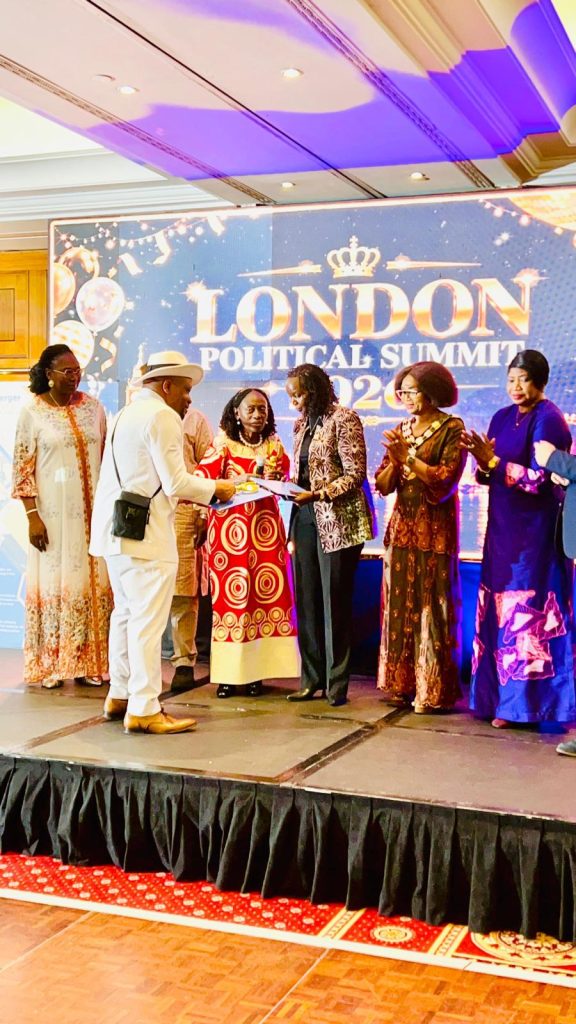
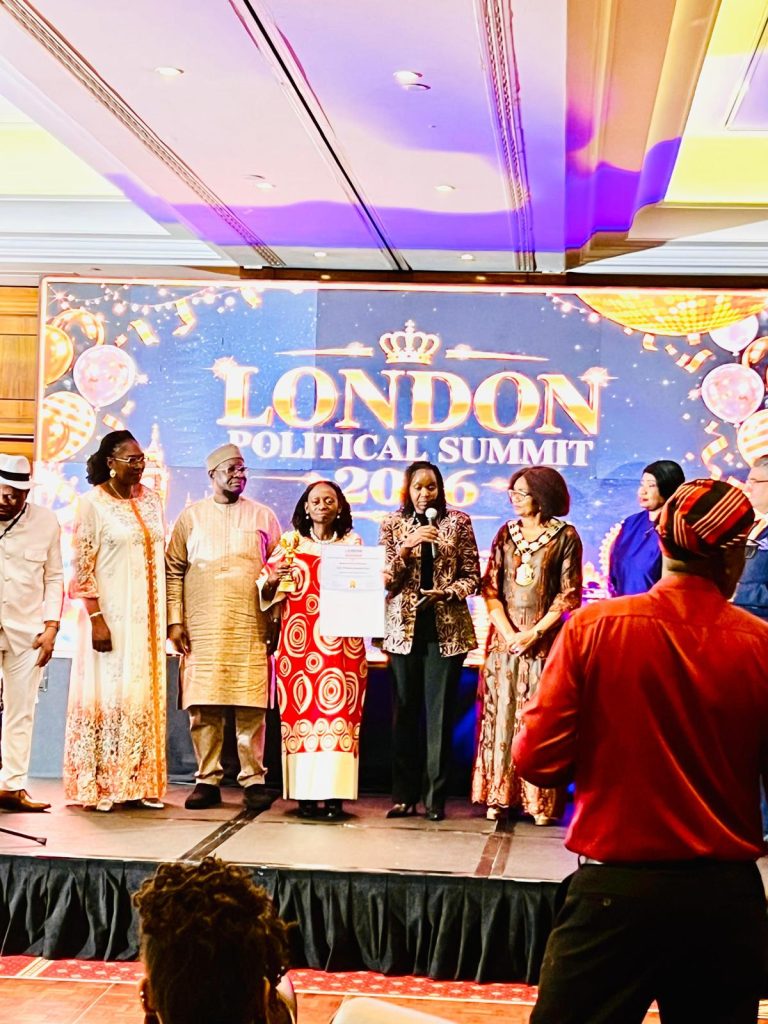
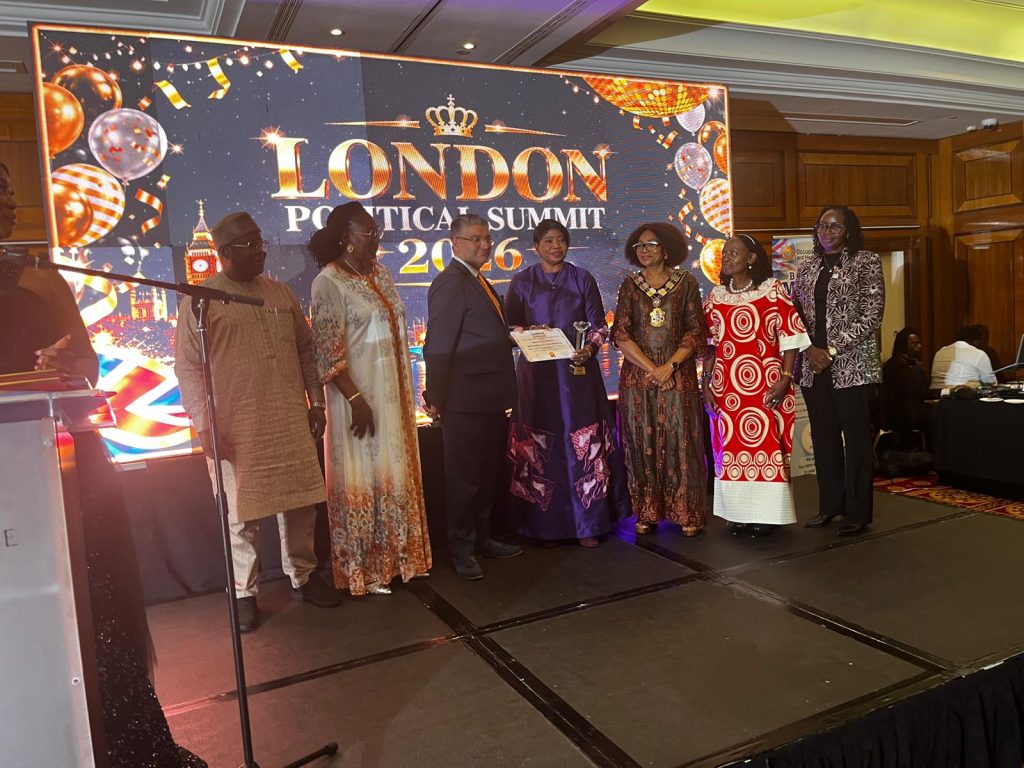
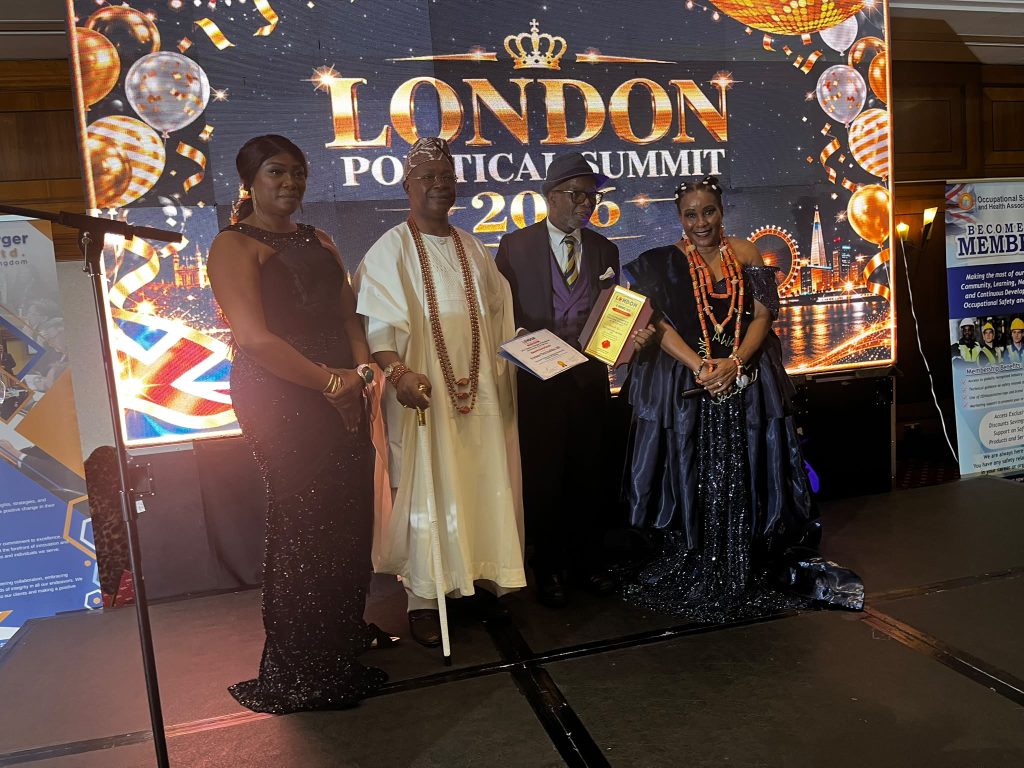
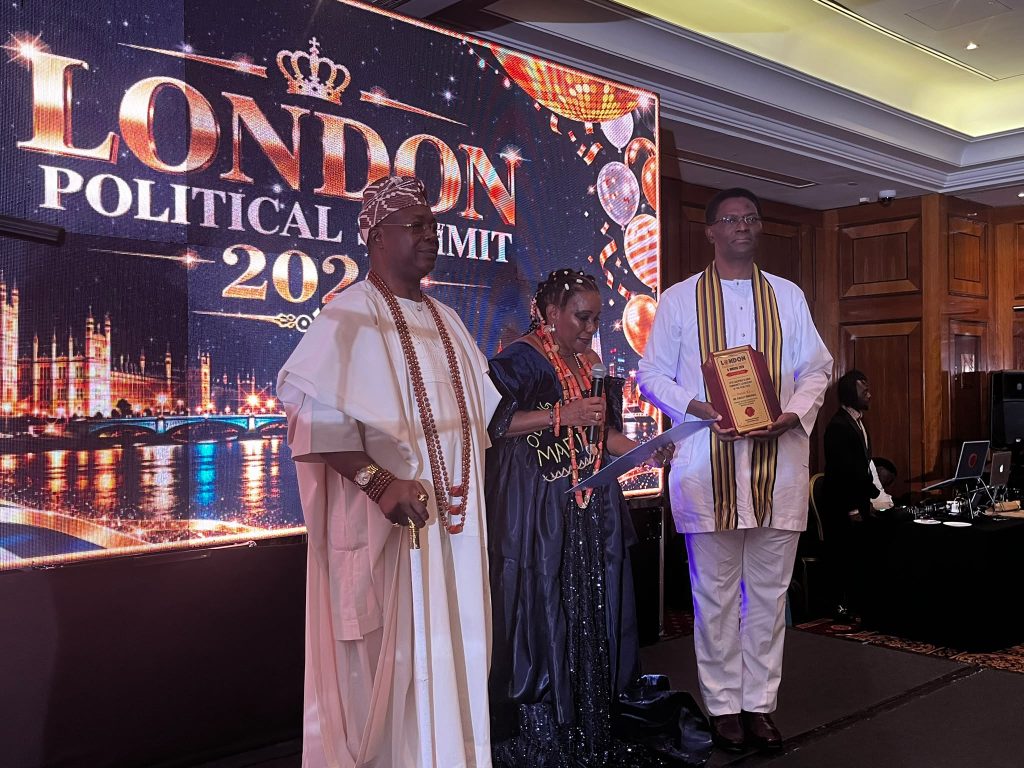


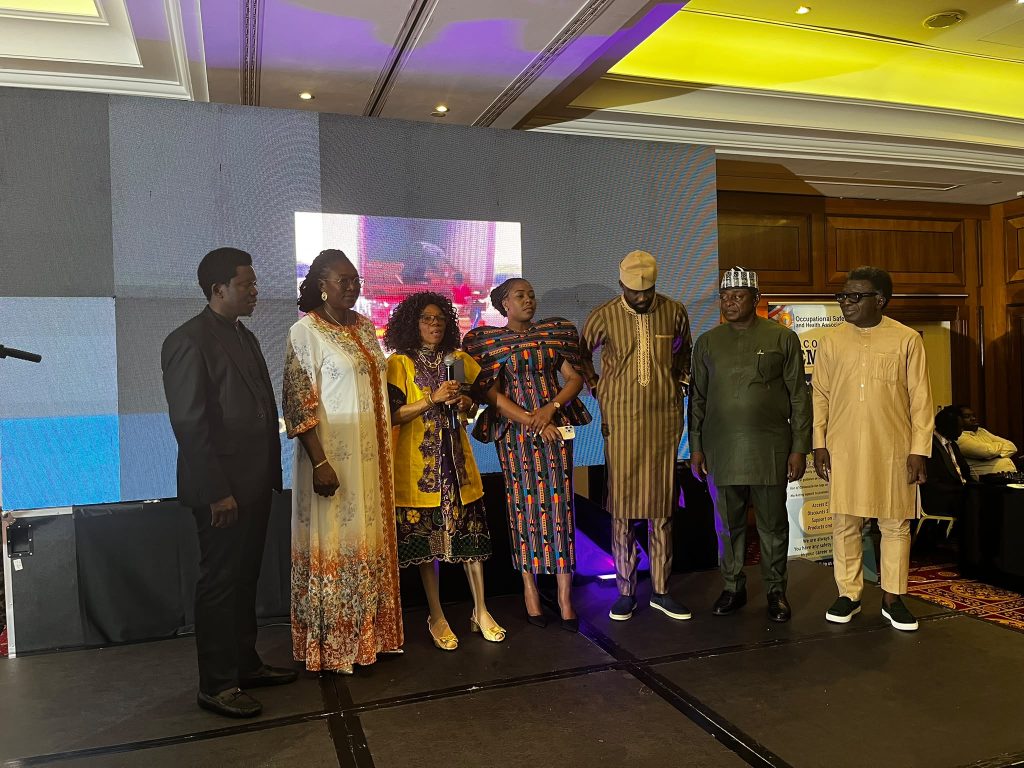
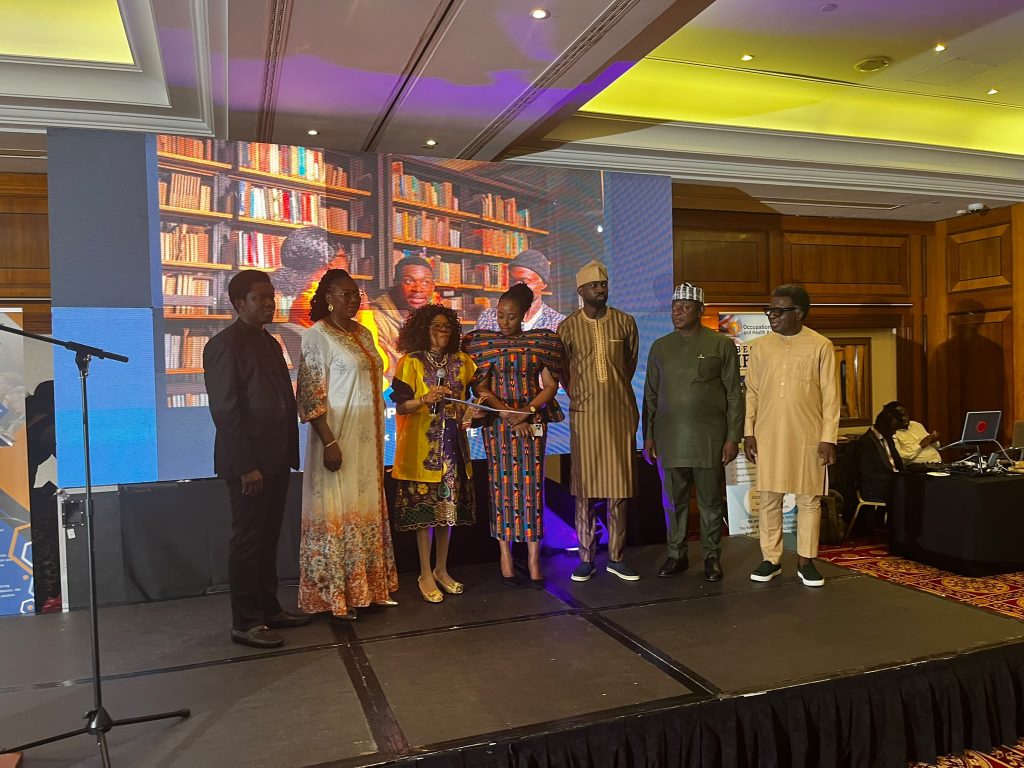
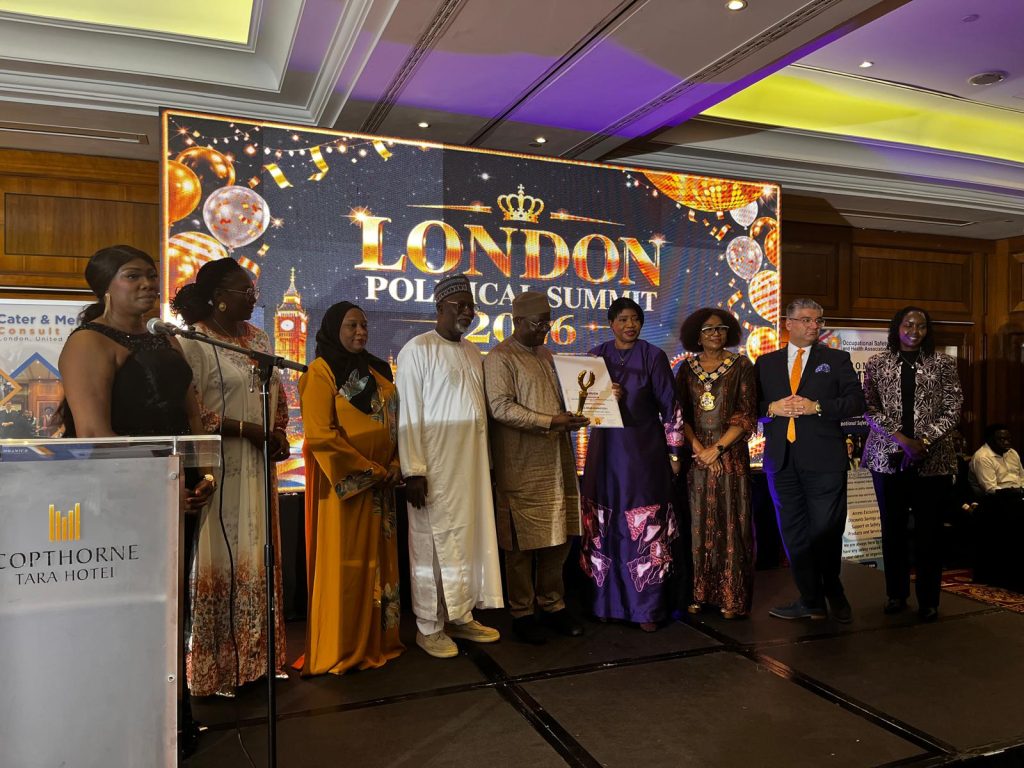
The Presentations of awards for Late Rt. Hon. Raila Odinga,Postmortem Award, and the Africa President of the Year Award, to His Excellency, President Ruto of Kenya, both awards was received on their behalf by the Deputy High Commissioner of Kenya to the United Kingdom. Amb. Irene.


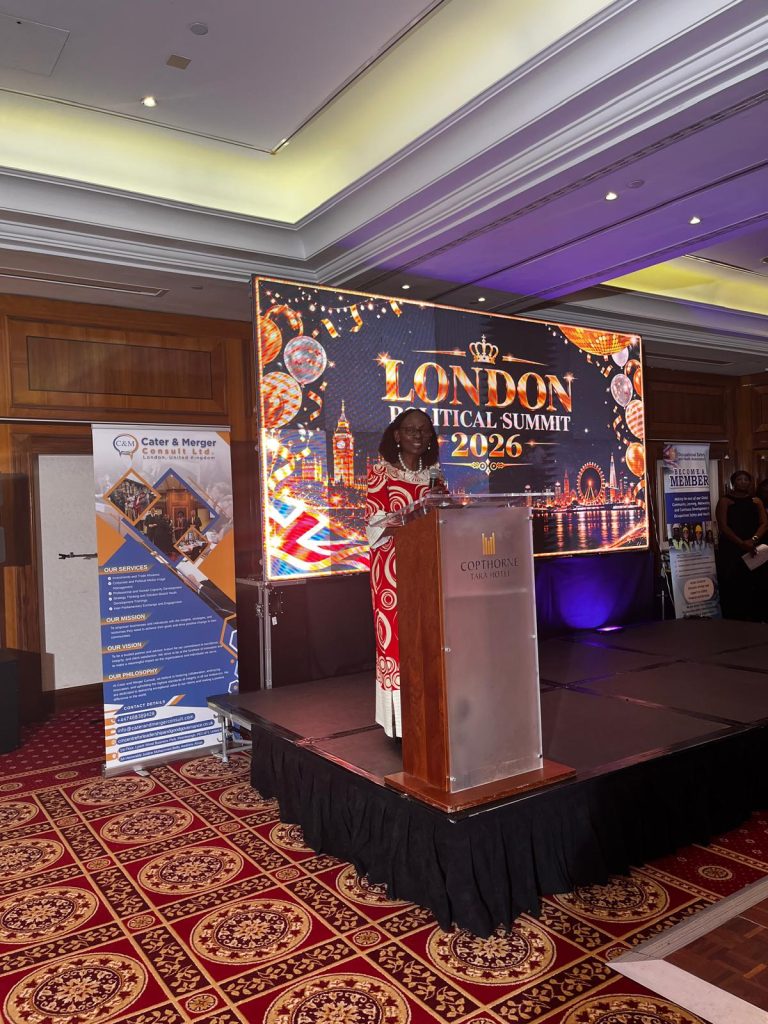



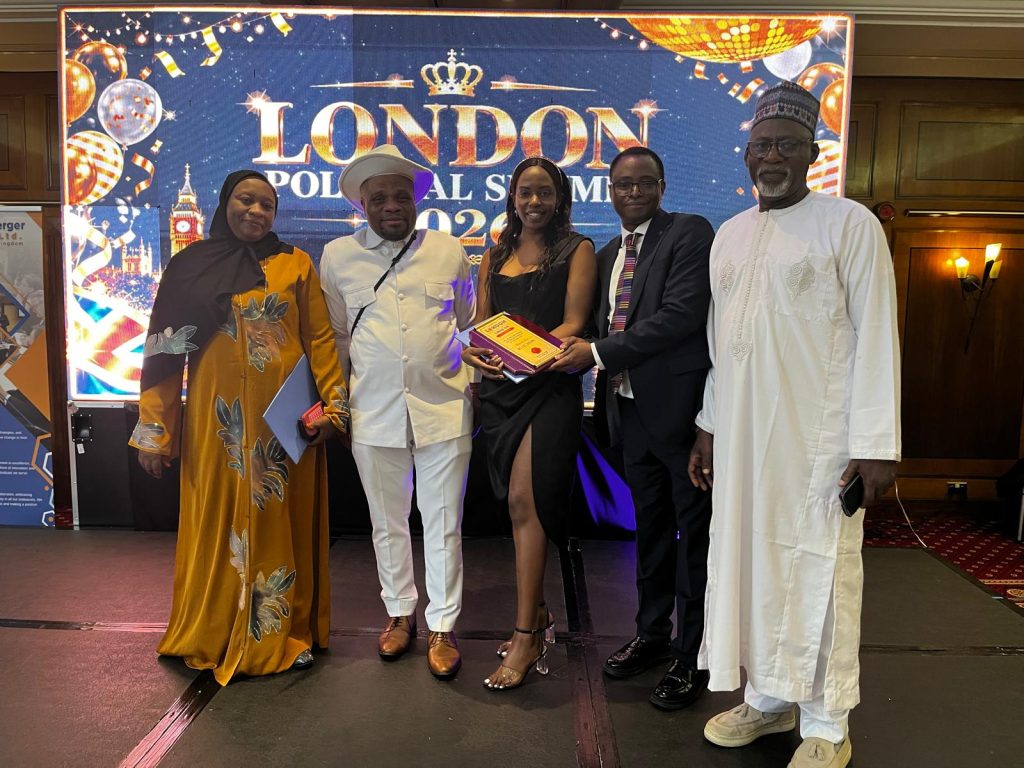


Together, the three engagements reinforced the Summit’s central advocacy: that sustainable peace, responsible leadership and effective governance are indispensable foundations for economic prosperity and enduring development.
Benue State Delegation and LPSA Team Visit the University of Cambridge to Explore Education, AI and Innovation Partnerships
As part of the wider engagements surrounding the 11th London Political Summit and Awards 2026, a delegation from Benue State Government, accompanied by representatives of the London Political Summit and Awards team, visited the University of Cambridge on 14 October 2026.

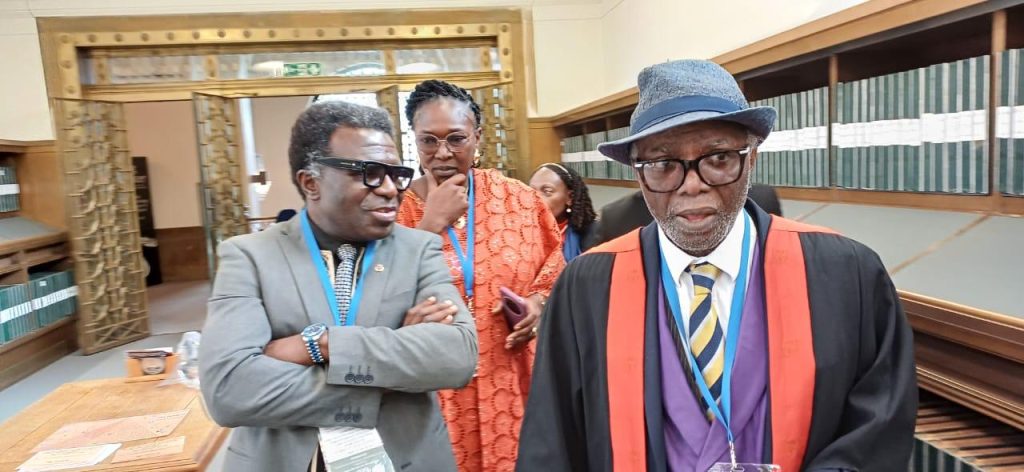
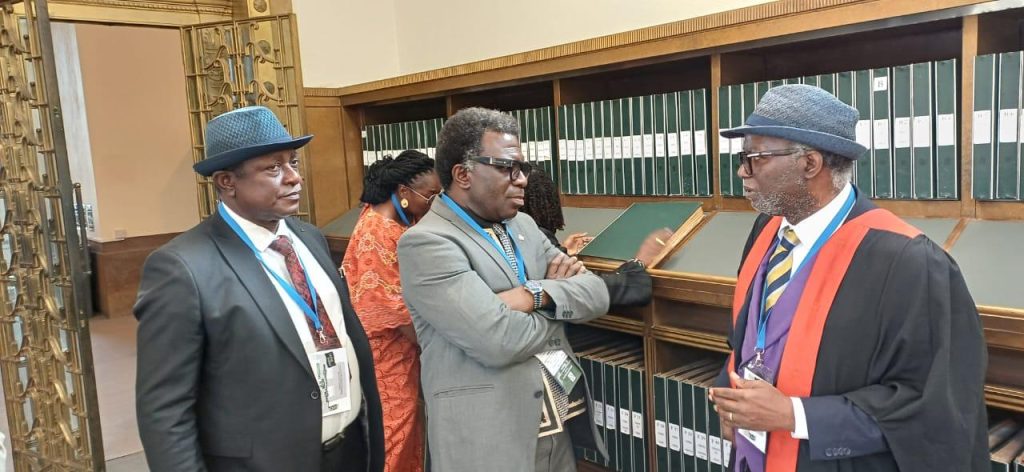
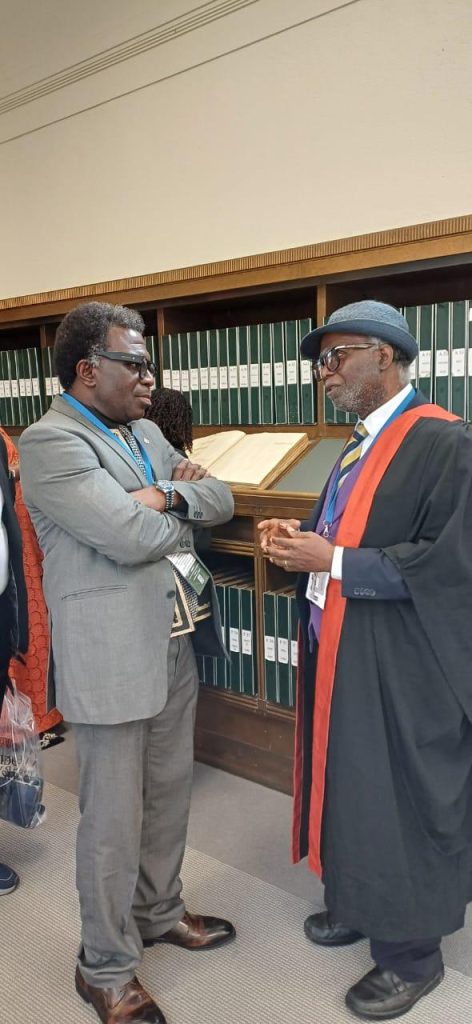
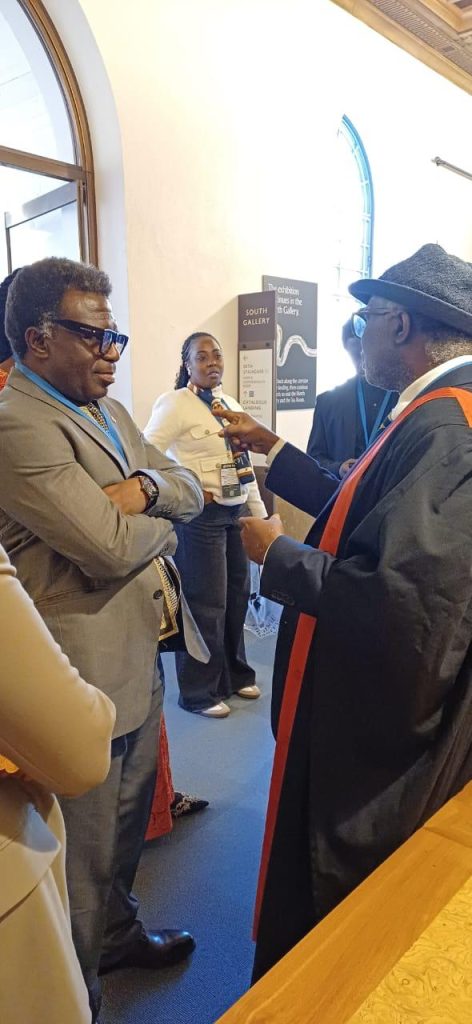
The Benue State Governor’s Delegation visit to the University of Cambridge, with Prof. Chris Imafidon.
The delegation was led by the Honourable Commissioner for Education and Knowledge Management, Dr. (Mrs.) Margaret Ijaguwa Adamu, alongside the LPSA team represented by Ambassador Dr. Josephine Ojiambo and Kachi Okezie Esq.
The visit provided an opportunity to explore contemporary developments in education, technological innovation and knowledge-driven economic growth, with particular attention to artificial intelligence (AI), science, technology, engineering and mathematics (STEM), the start-up ecosystem, and emerging approaches to contemporary learning.
Discussions centred on the growing importance of equipping students, educators and institutions with the knowledge, digital competencies and innovative capacities required to respond to the demands of a rapidly evolving global economy. The engagement also brought into focus the potential application of AI and other emerging technologies in teaching, learning, educational administration, research and skills development.
A key area of interest was the development of stronger connections between education and entrepreneurship. The start-up ecosystem was considered within the broader context of encouraging innovation, supporting young entrepreneurs, translating knowledge into practical solutions, and creating pathways through which research and technological advancement can contribute to economic development and employment opportunities.
For the Benue State delegation, the engagement presented an opportunity to consider how contemporary educational models, STEM development and technology-enabled learning could inform the state’s education priorities and longer-term human capital development objectives.
The visit also highlighted the potential for public-private partnerships in the education sector, bringing together government institutions, universities, technology companies, investors, entrepreneurs and other relevant stakeholders to support educational transformation.
Such partnerships could provide a framework for collaboration in teacher development, digital learning infrastructure, STEM education, research and innovation, skills acquisition, entrepreneurship programmes and the development of technology-enabled educational solutions. They could also help mobilise expertise, investment and institutional resources to complement government initiatives and expand opportunities for learners.
The participation of Ambassador Dr. Josephine Ojiambo and Kachi Okezie Esq. reflected the LPSA team’s interest in facilitating international engagement and connecting public institutions with wider educational, technological and development opportunities.
The visit complemented the Summit’s broader emphasis on leadership, institutional capacity-building, international cooperation and sustainable development. It also reinforced the importance of linking political dialogue and diplomatic engagement with practical initiatives capable of delivering long-term benefits to communities.
While further consultations and appropriate institutional engagement would be required to establish specific programmes or formal partnerships, the visit opened an important avenue for considering how knowledge exchange, innovation and public-private collaboration could support the advancement of education in Benue State and contribute to Nigeria’s wider educational development agenda.
The University of Cambridge engagement therefore added an important educational and innovation dimension to the 2026 Summit activities, extending the programme beyond political and diplomatic dialogue to the future of learning, technology, entrepreneurship and human capital development.
International Awards Gala Dinner Reception: A Gathering of Distinguished Leaders
The International Awards Gala Dinner Reception attracted a distinguished gathering of invited guests, awardees and representatives of government, diplomacy, politics, business and civil society.
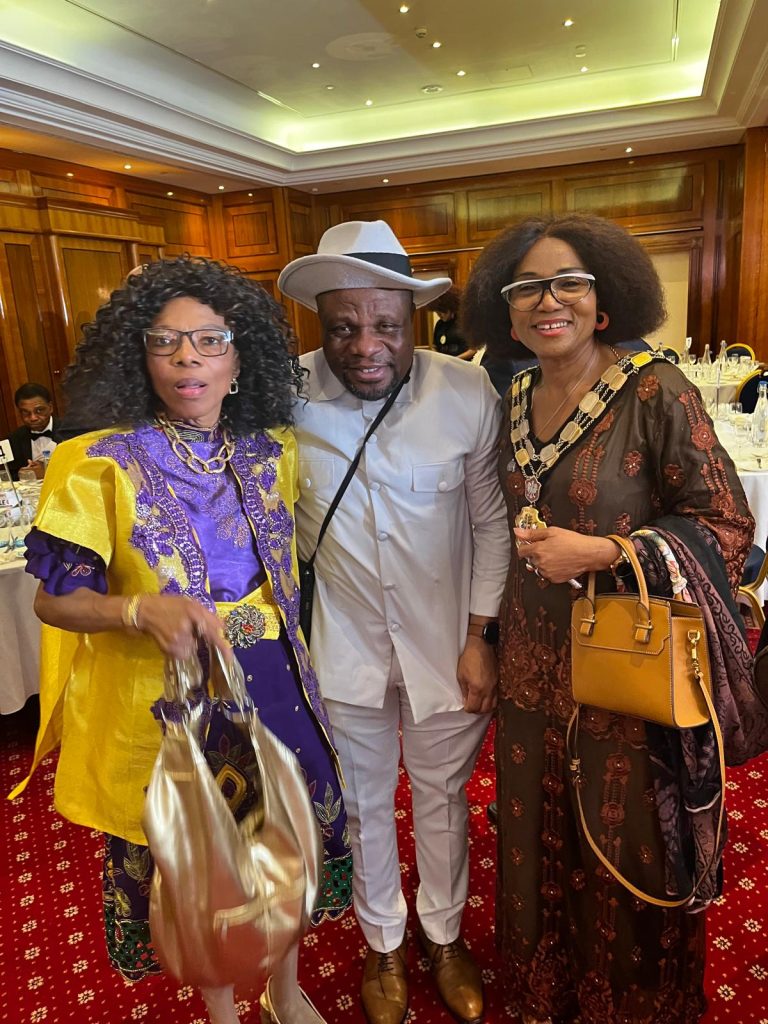
Among those in attendance were the Worshipful Mayor of the London Borough of Islington, Councillor Rosaline Ogunro; the High Commissioner of The Gambia to the United Kingdom; the Deputy High Commissioner of Kenya; the Deputy Governor of Sokoto State; the representative of the Governor of Benue State; Professor Kishan Devani BEM; Ambassador Dr. Josephine Ojiambo; HRH Oba Ambassador Dr. Olusegun Aderemi JP; HRM Obongnwonne Maria E.; Professor Erinma Bell MBE DL; Professor Elewachi Okike; Mrs. Bisi Adebayo; and several of the evening’s award recipients.
The programme was anchored by Ms. Rosé Graham, who guided proceedings through the evening’s formalities, tributes, keynote address, award presentations and appreciation segment.
The reception commenced with the national anthems of the United Kingdom, Nigeria, Sierra Leone, Ghana, The Gambia and Kenya, reflecting the international character of the gathering and the diversity of nationalities represented.
Guests subsequently stood for a final minute of silence in memory of the late Rt. Hon. Raila Amolo Odinga, providing a solemn moment of reflection before the evening’s formal proceedings began.
The Summit Convener, Mazi Godson Azu, then delivered the welcome address, expressing appreciation to the attending government officials, diplomatic representatives, political leaders, business stakeholders, community champions, partners and invited guests for their participation and continued support.
He reaffirmed the importance of the Summit as a platform for advancing democratic peace, trade and investment, accountable leadership, environmental protection, climate resilience and international cooperation.
Summit Leadership Reaffirms a Decade of Advocacy
The welcome address was followed by a joint opening address from the Summit Chair, Professor Kishan Devani BEM, and the Summit Co-Chair, Ambassador Dr. Josephine Ojiambo, both of whom have been closely associated with the Summit’s journey and advocacy over the years.
Their contributions reflected on the Summit’s evolution over more than a decade and its continuing commitment to promoting democratic values, peaceful political engagement, responsible leadership and mutually beneficial international partnerships.
The addresses also underscored the importance of sustaining platforms that connect political decision-makers, diplomatic missions, business leaders, development institutions and civil society in pursuit of shared objectives.
Ambassador Dr. Ojiambo placed particular emphasis on the significance of the 2026 edition, given its coincidence with the first anniversary of Raila Odinga’s passing. She highlighted his legacy of Pan-Africanism, democratic engagement, political reconciliation and peacebuilding, noting the importance of preserving the values for which he stood.
His advocacy for dialogue, reconciliation and peaceful political engagement remains relevant to Africa’s democratic development and the strengthening of regional relationships. The Summit’s decision to honour him posthumously through the Raila-Uhuru Africa Peace Accord Award was presented as a recognition of this enduring contribution.
Ambassador Ojiambo also drew attention to the importance of recognising contemporary leadership and the efforts being made to advance democratic peace, equality and environmental sustainability. In this context, she highlighted Kenya’s tree-planting and environmental advocacy under President William Ruto, linking environmental stewardship and climate resilience to the wider pursuit of sustainable development.
The joint address reinforced the Summit’s view that the legacies of peacebuilding and democratic leadership must be sustained through practical policies, institutional accountability and cooperation across national boundaries.
Gambian High Commissioner Delivers Keynote Address
The evening’s keynote address was delivered by H.E. Dr. Fatou Bensouda, the High Commissioner of The Gambia to the United Kingdom.
In a thoughtful address, the High Commissioner highlighted the importance of peace, justice, equality, women’s advancement and economic cooperation in achieving sustainable development. She emphasised the need to create greater opportunities for women to participate meaningfully in leadership, business, public life and development initiatives.
She also drew attention to the importance of trade as a pathway to economic empowerment, arguing for stronger commercial relationships and productive partnerships rather than an overreliance on aid.
Her remarks resonated with the Summit’s broader message that Africa’s development requires stronger institutions, inclusive leadership, productive economic engagement and partnerships that enable communities and nations to build sustainable prosperity.
The address further reinforced the importance of diplomacy as a tool for advancing peace, facilitating trade, strengthening international relations and promoting the common good of humanity.
Awards Ceremony Celebrates Exceptional Leadership and Service
The award presentations formed the centrepiece of the gala dinner, recognising individuals and institutions whose contributions reflect the Summit’s commitment to peace, leadership, public service, education, diplomacy, entrepreneurship and sustainable development.
The presentations took place alongside dinner service, creating an atmosphere of celebration, recognition and reflection.
OSHA UK Safety Ambassador Investiture Adds Distinction to the Awards Ceremony
A significant additional highlight of the awards evening was the second session of presentations, dedicated to the recognition and formal investiture of distinguished leaders as Safety Ambassadors of the Occupational Safety and Health Association (OSHA) UK.
The investiture recognised the importance of occupational safety and health, public awareness, responsible leadership and the promotion of safer working environments and communities. It also provided an opportunity to acknowledge the influence of political leaders, diplomatic representatives and other distinguished personalities in advancing safety consciousness, institutional responsibility and the protection of human life.
Among those invested as OSHA UK Safety Ambassadors were the High Commissioner of The Gambia to the United Kingdom, the Governor of Benue State, His Excellency Reverend Father Dr. Hyacinth Iormem Alia, and the Governor of Sokoto State, His Excellency Ahmad Aliyu Sokoto, alongside a number of other distinguished award recipients.
The investiture session was moderated by Engr. Dr. Emmanuel Uwalaka, who guided the proceedings and highlighted the significance of promoting occupational safety and health as an essential component of responsible governance, organisational performance and sustainable development.
The formal presentation and investiture were conducted by HRH Oba Ambassador Dr. Olusegun Aderemi JP, President of OSHA UK, who conferred the recognition on the designated ambassadors.
The initiative reinforced the importance of extending safety advocacy beyond workplaces into public institutions, communities and wider society. By recognising influential leaders as Safety Ambassadors, OSHA UK seeks to strengthen awareness of safety responsibilities and encourage leadership that supports the prevention of avoidable accidents, the protection of workers and the promotion of healthier and safer environments.
The investiture also complemented the Summit’s wider objectives of promoting accountable leadership, institutional capacity-building and sustainable development. It underscored the principle that effective leadership involves not only political and economic advancement but also a commitment to protecting human life, promoting public wellbeing and fostering a culture of safety across institutions and communities.
The inclusion of the OSHA UK Safety Ambassador investiture added a practical dimension to the evening’s celebrations, connecting the recognition of leadership and public service with the broader imperative of occupational safety, health protection and social responsibility.
Professor Erinma Bell Recognised for Leadership and Community Service
One of the opening honours was presented to Professor Erinma Bell MBE DL, Deputy Lieutenant of Greater Manchester, in recognition of her outstanding contributions to leadership, community development and public service.
The award was presented by the Worshipful Mayor of the London Borough of Islington, marking an important moment in the evening’s recognition of individuals whose work has made a meaningful difference to their communities.
Professor Bell’s recognition also reflected the Summit’s commitment to celebrating leadership that promotes social cohesion, inclusion and positive community transformation.
Posthumous Honour for Raila Odinga and Africa President of the Year Award for William Ruto
One of the most significant moments of the evening was the presentation of the Raila-Uhuru Africa Peace Accord Award posthumously to the late Rt. Hon. Raila Amolo Odinga.
The award recognised his longstanding contribution to democratic engagement, political reconciliation, peacebuilding and the advancement of Pan-African ideals. His legacy continues to provide an important reference point for discussions about peaceful political competition, dialogue and the role of statesmanship in strengthening democratic institutions.
The Summit also presented the LPSA Africa President of the Year 2026 Award to His Excellency Dr. William Samoei Ruto, President of the Republic of Kenya, in recognition of the leadership and initiatives highlighted by the organisers.
Both awards were received on behalf of the Kenyan principals by Ambassador Irene Maswan, Deputy High Commissioner of Kenya to the United Kingdom, accompanied by Ambassador Dr. Josephine Ojiambo.
The presentations were conducted by the Worshipful Mayor of Islington, supported by the High Commissioner of The Gambia, the Deputy Governor of Sokoto State and the representative of the Governor of Benue State.
The juxtaposition of the two honours provided a central theme for the evening: the importance of recognising both the enduring contributions of historical figures and the responsibilities of contemporary leaders in advancing peace, democratic stability, environmental sustainability and development.
Benue and Sokoto State Governors Receive Subnational Leadership Honours
The Summit also recognised the achievements of two Nigerian state governors through its subnational leadership awards.
His Excellency Reverend Father Dr. Hyacinth Iormem Alia, Governor of Benue State, received two awards through his representative, Dr. (Mrs.) Margaret Ijaguwa Adamu, Honourable Commissioner for Education and Knowledge Management.
The awards included recognition as LPSA Africa Subnational Governor of the Year 2025/2026, associated with the advancement of education, as well as a second honour recognising achievements in the relevant category. The precise official title of the second award should be confirmed before publication.
Dr. (Mrs.) Margaret Ijaguwa Adamu received the awards on behalf of the Governor, representing the Benue State Government at the ceremony.
The Summit also honoured His Excellency Ahmad Aliyu Sokoto, Governor of Sokoto State, with the LPSA Africa Subnational Governor of the Year 2026 Award. The award was received on his behalf by the Deputy Governor of Sokoto State, whose name should be inserted in the final verified copy.
These recognitions reflected the Summit’s interest in celebrating subnational leadership and the role of state governments in delivering public services, improving educational opportunities and advancing development at the grassroots level.
Honouring Traditional Institutions, Business Leaders and Entrepreneurs
Further awards were presented to outstanding individuals whose contributions spanned public leadership, traditional institutions, business, entrepreneurship and community development.
HRH Oba Ambassador Dr. Olusegun Aderemi JP played a prominent role in presenting several of the honours, supported by HRM Obongnwonne Maria E. and other distinguished guests.
Awardees include:
- 1. Chief Ibrahim Dende Egungbohun (IBD Dende) — Chairman/CEO, IBD Group International.
2. Mr. Kingsley Omokhuale — Chairman, Methodist Boys High School Lagos Old Boys Association (MBHSOBA), UK/Europe.
3. Mrs. Adebisi Adebayo — BBC.
4. Mr. David Smith — Chief Executive Officer, British Africa Consulting UK.
5. Dr. Anna Vanderpuye — CEO/Director, INGO Third Sector Resource Ltd / African Business Roundtable (UK Chapter).
6. Mr. Joel Popoola — Chair, Africa Group, Institute of Directors (IoD).
Additional presentations were made by the High Commissioner of The Gambia, supported by the Summit Chair, Professor Kishan Devani BEM.
Awardees include:
- 1. Mr. Omar Hussain — Chief Executive Officer / Executive Director, Ilmora Holdings UK.
2. Dr. Ashraf Abdelfatah — Chief Executive Officer, Platinum Education Services UK.
3. Mr. Ahmed Abdelfatah — Managing Director, StudyNow UK.
These honours recognised business and entrepreneurial leaders for their contributions to enterprise, economic development and community advancement.
The names of the recipients and the precise titles of their awards should be incorporated into the final publication following verification against the official awards register.
The breadth of the award categories demonstrated the Summit’s intention to recognise leadership beyond conventional political office, acknowledging the contributions of traditional rulers, entrepreneurs, business executives and community advocates to social and economic progress.
Gambian High Commissioner Named Commonwealth Diplomat of the Year 2026
A special highlight of the evening was the presentation of the LPSA Commonwealth Diplomat of the Year 2026 Award to H.E. Dr. Fatou Bensouda, the High Commissioner of The Gambia to the United Kingdom.
The award was presented by Summit Chair Professor Kishan Devani BEM, supported by the Worshipful Mayor of Islington, the Deputy High Commissioner of Kenya and Summit Co-Chair Ambassador Dr. Josephine Ojiambo.
The honour recognised the High Commissioner’s diplomatic engagement and the contributions associated with peace, justice, equality, international cooperation and the advancement of mutually beneficial relationships.
The presentation also highlighted the importance of diplomacy in strengthening Commonwealth relations, facilitating economic cooperation and fostering understanding among nations.
Awards of Appreciation to Partners and Community Champions
The evening concluded its formal recognition segment with awards of appreciation presented to selected leaders, partners and community champions whose support and contributions have helped sustain the Summit’s work.
The gesture acknowledged the importance of collective effort in organising international engagements of this nature. It also recognised the contributions of individuals and institutions working to advance leadership development, democratic accountability, peacebuilding, community empowerment and sustainable development.
The Summit’s organisers expressed appreciation to the diplomatic missions, government representatives, parliamentary hosts, business stakeholders, community organisations and individual supporters whose participation contributed to the success of the 2026 programme.
A Continuing Commitment to Pan-Africanism and Trade for Peace
Beyond the ceremonial aspects of the event, the 11th London Political Summit and Awards reinforced a broader message about Africa’s future and its relationship with the international community.
The Summit’s advocacy rests on the understanding that political stability, democratic accountability, inclusive leadership and economic cooperation are mutually reinforcing elements of sustainable development.
The emphasis on trade for peace reflects the importance of creating economic relationships that generate shared interests, encourage dialogue and help strengthen cooperation between countries and communities.
Similarly, the Summit’s focus on environmental protection and climate resilience highlights the need to place sustainability alongside economic growth, political leadership and institutional development.
The tribute to Raila Odinga gave these discussions a particular historical and moral dimension. His political journey and advocacy for dialogue and reconciliation remain important points of reflection for leaders seeking peaceful solutions to political differences and stronger democratic institutions.
The 2026 Summit therefore served both as a commemoration of a distinguished African statesman and as a renewed call for practical leadership, stronger partnerships and sustained action in pursuit of peace and development.
Convener Expresses Appreciation and Signals Possible African Edition in 2027
In his closing remarks and vote of thanks, Summit Convener Mazi Godson Azu expressed profound appreciation to all dignitaries, government representatives, diplomatic missions, parliamentary hosts, award recipients, partners, sponsors, guests and members of the organising team.
He acknowledged the contributions of the Summit Chair, Professor Kishan Devani BEM; Summit Co-Chair Ambassador Dr. Josephine Ojiambo; the parliamentary hosts; participating diplomatic missions; government delegations from Nigeria and other African countries; traditional rulers; business leaders; community champions; and all those who contributed to the success of the three-day programme.
He reiterated the Summit’s commitment to advancing democratic peace, responsible governance, trade and investment, environmental sustainability, institutional accountability and constructive international engagement.
Looking ahead, Mazi Godson Azu indicated that the proposed 12th Annual London Political Summit and Awards in 2027 could include an African edition in Kenya, subject to further consultations, planning and confirmation with relevant partners and stakeholders.
Such a development would represent a potentially significant step in extending the Summit’s engagement beyond London and strengthening its connections with African political institutions, diplomatic communities, businesses and development partners.
An African edition would also offer an opportunity to deepen conversations about Pan-Africanism, democratic governance, peacebuilding, trade, investment and the legacy of Raila Odinga within the continent he served and sought to unite.
Conclusion: Celebrating Leadership, Preserving Legacy and Advancing Peace
The successful conclusion of the 11th Annual London Political Summit and Awards 2026 marked another important chapter in the Summit’s continuing engagement with political leadership, diplomacy, business and sustainable development.
From the Business Dialogue at the Institute of Directors to the parliamentary session at Westminster and the International Awards Gala Dinner Reception in Kensington, the three-day programme brought together diverse stakeholders around a shared commitment to peace, accountable leadership, economic cooperation and international partnership.
Above all, the Summit provided a fitting occasion to remember the late Rt. Hon. Raila Amolo Odinga, whose legacy of democratic engagement, reconciliation and Pan-Africanism continues to inspire reflection on the responsibilities of leadership and the possibilities of peaceful political transformation.
The recognition of President William Ruto, the governors of Benue and Sokoto States, Professor Erinma Bell, the Gambian High Commissioner and other distinguished award recipients further underscored the importance of celebrating leadership and service across different sectors of public life.
As the organisers look towards the proposed 12th edition in 2027, the central message of the 2026 Summit remains clear: lasting peace requires responsible leadership, meaningful dialogue, strong institutions, inclusive economic opportunity and sustained cooperation among nations and peoples.
The enduring challenge is to translate these principles into practical action—building a future in which democracy is strengthened, trade advances shared prosperity, environmental sustainability is prioritised and peace becomes a foundation for Africa’s development.